Moving Forward Act
USA116th CongressHR-2| House
| Updated: 7/20/2020
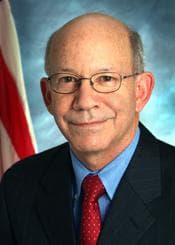
Peter A. DeFazio
Democratic Representative
Oregon
Cosponsors (129)
Brenda L. Lawrence (Democratic)Dwight Evans (Democratic)Stacey E. Plaskett (Democratic)Donald Norcross (Democratic)Tim Ryan (Democratic)John Garamendi (Democratic)Gilbert Ray Cisneros (Democratic)Sylvia R. Garcia (Democratic)Chris Pappas (Democratic)Jared Huffman (Democratic)Marc A. Veasey (Democratic)Robert C. "Bobby" Scott (Democratic)Mikie Sherrill (Democratic)Raúl M. Grijalva (Democratic)Tom Malinowski (Democratic)James R. Langevin (Democratic)Joyce Beatty (Democratic)Lisa Blunt Rochester (Democratic)David N. Cicilline (Democratic)David J. Trone (Democratic)Ed Case (Democratic)Emanuel Cleaver (Democratic)Brian Higgins (Democratic)Sheila Jackson Lee (Democratic)John A. Yarmuth (Democratic)Ben Ray Luján (Democratic)Carolyn B. Maloney (Democratic)Debra A. Haaland (Democratic)Joe Courtney (Democratic)Sanford D. Bishop (Democratic)C. A. Dutch Ruppersberger (Democratic)David Scott (Democratic)Frederica S. Wilson (Democratic)Bobby L. Rush (Democratic)Gregorio Kilili Camacho Sablan (Democratic)Steven Horsford (Democratic)J. Luis Correa (Democratic)Eric Swalwell (Democratic)Michael F. Doyle (Democratic)Debbie Dingell (Democratic)Madeleine Dean (Democratic)Steve Cohen (Democratic)Tony Cárdenas (Democratic)Suzan K. DelBene (Democratic)Paul Tonko (Democratic)Angie Craig (Democratic)Donald M. Payne (Democratic)Thomas R. Suozzi (Democratic)John P. Sarbanes (Democratic)Rosa L. DeLauro (Democratic)Anthony G. Brown (Democratic)Adriano Espaillat (Democratic)Danny K. Davis (Democratic)Lucille Roybal-Allard (Democratic)Daniel T. Kildee (Democratic)A. Donald McEachin (Democratic)Greg Stanton (Democratic)Alan S. Lowenthal (Democratic)Sean Patrick Maloney (Democratic)Henry C. "Hank" Johnson (Democratic)André Carson (Democratic)Brendan F. Boyle (Democratic)Matt Cartwright (Democratic)John B. Larson (Democratic)Stephen F. Lynch (Democratic)Mark DeSaulnier (Democratic)Harley Rouda (Democratic)Joseph D. Morelle (Democratic)Doris O. Matsui (Democratic)Gregory W. Meeks (Democratic)Jahana Hayes (Democratic)David E. Price (Democratic)Raja Krishnamoorthi (Democratic)Filemon Vela (Democratic)Marcia L. Fudge (Democratic)James A. Himes (Democratic)Alma S. Adams (Democratic)Anna G. Eshoo (Democratic)Mark Takano (Democratic)Kathy Castor (Democratic)Eleanor Holmes Norton (Democratic)Sharice Davids (Democratic)Bonnie Watson Coleman (Democratic)Denny Heck (Democratic)Daniel Lipinski (Democratic)Richard E. Neal (Democratic)Henry Cuellar (Democratic)Conor Lamb (Democratic)Salud O. Carbajal (Democratic)Jamie Raskin (Democratic)Lois Frankel (Democratic)Donald S. Beyer (Democratic)Sean Casten (Democratic)Debbie Mucarsel-Powell (Democratic)Diana DeGette (Democratic)Janice D. Schakowsky (Democratic)Andy Kim (Democratic)Maxine Waters (Democratic)Nydia M. Velázquez (Democratic)Julia Brownley (Democratic)Jerry McNerney (Democratic)Eddie Bernice Johnson (Democratic)Yvette D. Clarke (Democratic)Rick Larsen (Democratic)Peter Welch (Democratic)Albio Sires (Democratic)Colin Z. Allred (Democratic)Earl Blumenauer (Democratic)Lori Trahan (Democratic)Mike Thompson (Democratic)Suzanne Bonamici (Democratic)Josh Gottheimer (Democratic)Linda T. Sánchez (Democratic)Ed Perlmutter (Democratic)Nanette Diaz Barragán (Democratic)Jesús G. "Chuy" García (Democratic)Donna E. Shalala (Democratic)Frank Pallone (Democratic)Gwen Moore (Democratic)Bradley Scott Schneider (Democratic)Kweisi Mfume (Democratic)Alcee L. Hastings (Democratic)Debbie Wasserman Schultz (Democratic)Gerald E. Connolly (Democratic)Lauren Underwood (Democratic)Bill Pascrell (Democratic)Grace F. Napolitano (Democratic)Katie Porter (Democratic)Susan Wild (Democratic)
Railroads, Pipelines, and Hazardous Materials Subcommittee, Transportation and Infrastructure Committee, Highways and Transit Subcommittee
- Introduced
- In Committee
- On Floor
- Passed Chamber
- Enacted
Moving Forward Act DIVISION A--FEDERAL SURFACE TRANSPORTATION PROGRAMS FOR FISCAL YEAR 2021 This division extends FY2020 enacted levels through FY2021 for federal-aid highway, transit, and safety programs. It also provides additional contract authority in FY2021 for (1) the Federal Highway Administration, (2) the Federal Transit Administration, (3) National Highway Traffic Safety Administration highway safety programs, and (4) Federal Motor Carrier Safety Administration motor carrier safety programs. Among other provisions, the division includes additional routes within the Central Texas Corridor, a high priority corridor on the National Highway System; includes the Central Louisiana Corridor and the Central Mississippi Corridor as high priority corridors in such system; and directs the Department of Transportation (DOT) to report on the unique challenges that residents in areas of concentrated poverty face when riding public transportation. DIVISION B--SURFACE TRANSPORTATION This division reauthorizes for FY2022-FY2025 several surface transportation programs, including the federal-aid highway program, transit programs, highway safety, motor carrier safety, and rail programs. Among other provisions, this division addresses climate change, including strategies to reduce the climate change impacts of the surface transportation system and conduct a vulnerability assessment to identify opportunities to enhance the resilience of the surface transportation system and ensure the efficient use of federal resources; revises Buy America procurement requirements for highways, mass transit, and rail; establishes a rebuild rural grant program to improve the safety, state-of-good repair, and connectivity of transportation infrastructure in rural communities; expands the DOT highway safety high visibility enforcement program; require DOT to carry out a safe routes to school program; sets forth motor vehicle safety standards that require new commercial motor vehicles to be equipped with an automatic emergency braking system, establishes performance requirements for such braking systems, and requires the systems to be used while the commercial vehicles are in operation; directs DOT to establish a pilot program to demonstrate a national motor vehicle per-mile user fee to restore and maintain the long-term solvency of the Highway Trust Fund and achieve and maintain a state of good repair in the surface transportation system; modifies requirements for the national multimodal freight policy and state freight plans to include further consideration of environmental and equity impacts; and revises the transportation infrastructure finance and innovation (TIFIA) program of DOT to include an expedited decision time line for public agency borrowers seeking secured loans. The effective date of this division applies beginning on October 1, 2021. DIVISION C--HAZARDOUS MATERIALS TRANSPORTATION This division addresses provisions related to hazardous materials transportation, including provisions to reauthorize through FY2025 the hazardous materials programs of the Pipeline and Hazardous Materials Safety Administration (PHMSA). Among other provisions, this division repeals certain requirements related to lithium cells and batteries; directs the Federal Railroad Administration to initiate an evaluation of the safety, security, and environmental risks of transporting liquefied natural gas by rail; provides grants to nonprofit organizations to develop hazardous materials response training for emergency responders and make such training available electronically or in person; and requires DOT to ensure that the PHMSA shares with all relevant stakeholders, including state and local governments, all materials and information received, reviewed, or produced related to pipeline leaks, damage, or disruption. DIVISION D--RAIL This division addresses various rail related provisions, including the National Rail Passenger Corporation (Amtrak), intercity passenger rail policy, commuter rail policy, and rail safety. Among other provisions, this division authorizes appropriations through FY2025 to provide grants to support Amtrak's intercity passenger rail service on the Northeast Corridor and the National Network; prohibits Amtrak from imposing mandatory arbitration clauses when passengers purchase tickets; modifies provisions related to the Northeast Corridor Commission, including to require the commission to submit a strategic development plan that identifies key state-of-good repair, capacity expansion, and capital improvement projects planned for the corridor. directs Metra (Chicago commuter rail system) and Amtrak to develop one-year and five-year improvement plans for Chicago Union Station; requires DOT to enter into an agreement with the National Academies to conduct a study and issue a report on the safety impacts of freight trains longer than 7,500 feet; and directs DOT to issue and publish a national strategy on how it plans to address blocked railroad crossings. DIVISION E--AVIATION This division reauthorizes through FY2025 airport planning and development and noise compatibility planning and programs. It also addresses environmental concerns related to aviation, including development of low-emission aviation technologies. Among other provisions, this division authorizes certain funding to be used exclusively to bring air traffic control facilities of the Federal Aviation Administration (FAA) into acceptable condition, including sustaining, rehabilitating, replacing, or modernizing such facilities and associated costs; sets forth requirements for a change in airport sponsorship or operations with respect to airport operating certificates; establishes a competitive grant and cost-sharing agreement program to develop, demonstrate, or apply low emission aviation technologies, and produce, transport, blend, or store sustainable aviation fuels that would reduce greenhouse gas emissions; requires DOT to enter into an agreement with the National Academies of Sciences, Engineering, and Medicine to conduct a study on climate change mitigation efforts with respect to the civil aviation and aerospace industries; and directs DOT to establish a Joint Task Force on Air Travel to develop recommended requirements, plans, and guidelines to address the health, safety, security, and logistical issues relating to the continuation of air travel during and after the COVID-19 (i.e., coronavirus disease 2019) public health emergency DIVISION F--INVESTMENT IN WATER RESOURCES AND WATER-RELATED INFRASTRUCTURE This division addresses provisions related to water resources and water-related infrastructure, including wastewater infrastructure to help communities with storm water needs. Among other provisions, this division allows the Environmental Protection Agency (EPA) to enter into agreements to provide grants for the establishment of hazard mitigation revolving loan funds to provide funding assistance to local governments to carry out projects to reduce disaster risks for homeowners, businesses, nonprofit organizations, and communities; reauthorizes through FY2025 the Sport Fish Restoration and Boating Trust Fund which provides funding for several programs, including fisheries conservation and management, water and boating infrastructure, and recreational boating safety; requires the EPA to establishes a grant program for purchasing or installing equipment and technology that is used at a port and produces zero exhaust emissions of certain pollutants and greenhouse gases, or captures 100% of the exhaust emissions produced by an ocean-going vessel at berth; establishes a pilot program to provide funding to states to incorporate wastewater testing for drugs at municipal wastewater treatment plants in order to monitor drug consumption and detect new drug use more quickly and in a more specific geographic region than methods currently in use; establishes a California New River restoration program; directs the EPA to establish a program to award research grants to wastewater utilities, institutions of higher education, and other entities to investigate the use of wastewater surveillance as an indicator of the distribution of COVID-19 in communities; and provides direct grants to owners and operators of publicly-owned treatment works for planning, design, construction, and operations training of intelligent wastewater collection systems and storm water management operations, and of innovative and alternative combined sewer and storm water control projects. DIVISION G--ENERGY AND COMMERCE This division creates the Office of Internet Connectivity and Growth, and it provides funding for programs that (1) promote digital equity and broadband capacity building, (2) provide discounts on phone service for low-income consumers, and (3) subsidize internet services for schools and libraries. The bill also establishes specified transparency requirements, such as making federal broadband data available to local governments and changing the way broadband data is collected, disputed, and reported. Further, the bill requires the Federal Communications Commission to redefine unserved and underserved communities and to update its rules permitting Wi-Fi access on school buses. The bill also prohibits states from erecting barriers to locally owned broadband networks. The division establishes requirements related to motor vehicle safety, including rulemakings for crash avoidance, updating the 5-Star Safety Rating System, and establishing standards to reduce injuries and fatalities suffered by pedestrians and cyclists struck by motor vehicles. The division provides funding for certain energy and infrastructure measures, including grant programs to (1) assist water utilities with treatment for per- and polyfluoroalkyl substances, (2) assist rural electric cooperatives or nonprofit entities with designing and demonstrating energy storage and microgrid projects using renewable energy sources, and (3) construct or install community solar facilities that serve multi-family affordable housing. Further, the bill establishes a rebate program, requirements, and funding for specified energy efficiency retrofits. The division also allows a tax credit for purchasing zero-emission vehicles and supports deployment of electric vehicle charging infrastructure. The division provides funds to increase hospital capacity and support community health centers in their response to COVID-19. DIVISION H--ADDITIONAL PROGRAMS This division addresses various provisions, including those related to the national scenic byways program, the COVID-19 pandemic with respect to passenger or freight transportation facilities, and certain transportation policies. Among other provisions, this division reauthorizes appropriations through FY2025 for the national scenic byways program; requires, during the COVID-19 pandemic, the owners and operators of equipment or facilities used by passenger or freight transportation employers to implement personal protective equipment and disinfection and sanitization procedures, and air carriers to submit to the FAA a proposal to permit pilots to wear masks or protective face coverings in the flight deck; authorizes the U.S. Geological Survey to fund, through a cooperative agreement with an academic partner, the design, construction, and tenant build-out of a facility to support energy and minerals research and appurtenant associated structures; requires the Government Accountability Office to conduct a study to identify the impact of certain transportation policies on people based on their race, ethnicity, nationality, age, disability status, and gender identity; and directs the Department of Labor to award implementation or renewal grants, on a competitive basis, to eligible industry or sector partnerships to achieve certain strategic objectives with respect to targeted infrastructure industries (e.g., transportation, construction, energy, information technology, or utilities industries). DIVISION I--ZERO-EMISSION POSTAL FLEET AND OTHER MATTERS This division authorizes appropriations to the U.S. Postal Service (USPS) for the modernization of postal infrastructure and operations, including through capital expenditures to purchase delivery vehicles, processing equipment, trailers, and other goods. The USPS must ensure that at least 75% of the total number of vehicles purchased using such funds are electric or zero-emission vehicles. Additionally, not later than January 1, 2026, the USPS must provide at least one electric vehicle charging station at each publicly available postal facility for use by the public or its employees. DIVISION J--COMMITTEE ON FINANCIAL SERVICES This division expands and otherwise modifies various housing and community development programs. Specifically, the division authorizes additional assistance under the following programs the Multifamily Preservation and Revitalization demonstration program, the Flood Mitigation Assistance Grant program, the Native American Housing Block Grant program, the HOME Investment Partnership program, the Community Development Block Grant program, supportive housing for individuals with disabilities and for the elderly, and single-family repair loans and grants for very low-income homeowners in rural areas. The division also authorizes the Department of Housing and Urban Development (HUD) to provide additional assistance from the Public Housing Capital Fund, the Housing Trust Fund, and the Capital Magnet Fund. In addition, HUD must establish a grant program for the preservation of manufactured housing, develop a plan for retrofitting federally assisted housing to support broadband service, and identify public housing and federally assisted housing with lead-based water service pipes. HUD may also award grants for the removal and replacement of such pipes. The division makes permanent, and otherwise revises, the Interagency Council on Homelessness. In general, the division requires that projects, other than housing development projects, that use Community Development Block Grant funds must use construction materials produced domestically. HUD may use capital or operating funds to construct new public housing units even if doing so results in a net increase of public housing units. The Government Accountability Office must study inequities in flood disaster assistance, broadband service in federally assisted housing, and the housing infrastructure needs of populations that are at higher risk of homelesness. DIVISION K--REOPEN AND REBUILD AMERICA'S SCHOOLS ACT OF 2020 The purpose of this division is to support long-term improvements to public school facilities. The division sets forth allocations to states and establishes a need-based grant program for local educational agencies (LEAs). The division requires LEAs that receive funds for new construction to comply with hazard-resistance building codes and performance criteria under the Water Sense Program of the Energy Policy and Conservation Act. The division sets forth requirements for green practices (environmental standards) and requires the use of iron, steel, and manufactured products made in the United States (Buy America). Funds may not be used for charter schools operated by a nonprofit entity. The division sets forth reporting requirements, including annual reports on grant program projects and a report by the Government Accountability Office that requires a study of the geographic distribution of projects, the impact of projects on student and staff health and safety, and the accessibility of projects to high-poverty schools. The division increases funding for the Impact Aid Construction program under the Elementary and Secondary Education Act in each of FY2020-2024. It also awards grant to LEAs for the repair or replacement of crumbling school foundations affected by pyrrhotite. DIVSION L--PUBLIC LANDS, TRIBAL COMMUNITIES, AND RESILIENT INFRASTRUCTURE This division addresses provisions related to public and tribal lands, water infrastructure, wildlife conservation, and energy. Among other provisions, the division makes permanent the Reclamation Water Settlements Fund; authorizes appropriations to provide funding to repair certain water conveyance facilities and restore and maintain fish populations in the San Joaquin River in California; establishes a grant program to help disadvantaged communities address a significant decline in the quantity or quality of drinking water; addresses water management infrastructure and improvement, groundwater management, and water conservation and environmental restoration in certain western states; directs the Department of Health and Human Services to award through FY2024 additional funds to the Indian Health Service Sanitation Facilities Construction Program; ratifies and modifies the Navajo Utah Water Rights Settlement Agreement negotiated between the Navajo Nation, the United States, and Utah; allows certain agencies to retain and use rental fees for rights-of-way and other telecommunications infrastructure use authorizations; establishes a grant program for projects that acquire land and water for parks and outdoor recreation purposes; establishes the Western Riverside County National Wildlife Refuge in California; takes certain land into trust for the benefit of the Agua Caliente Band of Cahuilla Indians; establishes the National Wildlife Corridors System and authorizes tribal wildlife corridors; establishes a program to remediate, reclaim, and close orphaned oil and gas wells; expands payments from the Abandoned Mine Reclamation Fund for abandoned coal mine cleanups; creates priority areas for geothermal, solar, and wind energy projects on public lands; and establishes an offshore wind career training grant program. DIVISION M--REVENUE PROVISIONS This division provides for infrastructure financing through the issuance of infrastructure bonds, including school infrastructure bonds, and revisions to advance funding bond and private activity bond provisions. It also revises and makes permanent the new markets tax credit and increases the rehabilitation tax credit. The division allows a credit for operations and maintenance costs of government-owned broadband. DHS must make an immediate needs assessment of the condition of child care facilities throughout the United States and award grants to states for such facilities. The division extends through 2020 the tax credit for the production of energy from certain renewable resources (e.g., biomass, landfill and trash facilities). It also extends other energy-related tax credits, including credits for solar energy, onshore and offshore wind projects, carbon sequestration, alternative fuel refueling property, nonbusiness energy property, two-wheeled plug-in electric vehicles, and energy-efficient homes. The division also revises provisions relating to the low-income housing tax credit and provides a new neighborhood homes tax credit. The division extends the Highway Trust Fund expenditure authority and certain highway-related excise taxes. DIVISION N--RIGHTS FOR TRANSPORTATION SECURITY OFFICERS This division converts employees of the Transportation Security Administrations (TSA) to the civil service system applicable to all other federal employees. DHS must consult with labor representatives of TSA employees with respect to the plans and deadlines for the conversion of TSA employees to the standard civil service regime. This division does not repeal or otherwise affect prohibitions against strikes by TSA employees or certain crimes relating to terrorism. The GAO must report on efforts of the TSA regarding recruitment, including recruitment of veterans and members of the Armed Forces. The TSA must address concerns of the Federal Air Marshall relating to mental health, suicide rate, and morale and recruitment and must provide guidance to TSA employees regarding prevention and protections against COVID-19 (i.e., coronavirus disease 2019) . DIVISION O--AGRICULTURE INFRASTRUCTURE IMPROVEMENTS This division increases to $60 million the amount that may be transferred from Treasury to the Reforestation Trust Fund. DIVISION P--BUDGETARY EFFECTS This division excludes the budgetary effects of each division of this bill from PAYGO scorecards under the Statutory Pay-As-You-Go Act of 2010 and from Senate PAYGO scorecards. DIVISION Q--STATE-OWNED ENTERPRISES This division prohibits funding an entity that is owned by a corporation based in a country that is identified as a nonmarket economy or that infringes on intellectual property or human rights.
Suggested Questions
Get AI-generated questions to help you understand this bill better
Timeline
Introduced in House
Referred to the House Committee on Transportation and Infrastructure.
Referred to the Subcommittee on Railroads, Pipelines, and Hazardous Materials.
Referred to the Subcommittee on Highways and Transit.
Subcommittee on Highways and Transit Discharged.
Subcommittee on Railroads, Pipelines, and Hazardous Materials Discharged.
Committee Consideration and Mark-up Session Held.
Ordered to be Reported (Amended) by Voice Vote.
Placed on the Union Calendar, Calendar No. 350.
Reported (Amended) by the Committee on Transportation and Infrastructure. H. Rept. 116-437.
Rules Committee Resolution H. Res. 1028 Reported to House. Rule provides for consideration of H.R. 2 with 2 hours of general debate. Previous question shall be considered as ordered without intervening motions except motion to recommit with or without instructions. Measure will be considered read. Specified amendments are in order.
Rule H. Res. 1028 passed House.
Considered under the provisions of rule H. Res. 1028. (consideration: CR H2694-2978; text: CR H2694-2918)
Rule provides for consideration of H.R. 2 with 2 hours of general debate. Previous question shall be considered as ordered without intervening motions except motion to recommit with or without instructions. Measure will be considered read. Specified amendments are in order.
DEBATE - The House proceeded with two hours of debate on H.R. 2.
DEBATE - Pursuant to the provisions of H.Res. 1028, the House proceeded with one hour of debate on the DeFazio amendment en bloc No. 1.
POSTPONED PROCEEDINGS - At the conclusion of debate on the DeFazio amendment en bloc No. 1, the Chair put the question on adoption of the amendment, and by voice vote, announced that the ayes had prevailed. Mr. Graves (MO) demanded the yeas and nays and the Chair postponed further proceedings on the amendment until a time to be announced.
DEBATE - Pursuant to the provisions of H. Res. 1028, the House proceeded with 30 minutes of debate on the Lipinski amendment en bloc No. 2.
DEBATE - Pursuant to the provisions of H. Res. 1028, the House proceeded with 30 minutes of debate on the Pallone amendment en bloc No. 3.
POSTPONED PROCEEDINGS - At the conclusion of debate on the Pallone amendment en bloc No. 3, the Chair put the question on adoption of the amendment, and by voice vote, announced that the ayes had prevailed. Mr. Shimkus demanded the yeas and nays and the Chair postponed further proceedings on the amendment until a time to be announced.
POSTPONED PROCEEDINGS - Pursuant to clause 1(c) of Rule XIX, further proceedings on H.R. 2 were postponed.
The motions to reconsider the votes on amendments en bloc numbers one, two, and three to H.R. 2 are laid on the table. Agreed to without objection.
Pursuant to clause 1(c) of Rule XIX, the House resumed consideration of H.R. 2.
Considered as unfinished business. (consideration: CR H2995-3039)
DEBATE - Pursuant to the provisions of H. Res. 1028, the House proceeded with one hour of debate on the DeFazio amendment en bloc No. 4.
DEBATE - Pursuant to the provisions of H. Res. 1028, the House proceeded with 30 minutes of debate on the Waters amendment en bloc No. 5.
DEBATE - Pursuant to the provisions of H. Res. 1028, the House proceeded with 30 minutes of debate on the Graves(MO) amendment en bloc No. 6.
POSTPONED PROCEEDINGS - At the conclusion of debate on the Graves (MO) amendment en bloc No. 6, the Chair put the question on adoption of the amendment, and by voice vote, announced that the noes had prevailed. Mr. Graves (MO) demanded the yeas and nays and the Chair postponed further proceedings on the amendment until a time to be announced.
DEBATE - Pursuant to the provisions of H. Res. 1028, the House proceeded with 30 minutes of debate on the Foxx amendment No. 1.
WORDS TAKEN DOWN - During the course of debate, exception was taken to certain words used and a demand was made to have the words taken down. Mr. Rose (NY) asked unanimous consent to withdraw the words. Without objection, the words were withdrawn. The House resumed with debate on the Foxx amendment.
POSTPONED PROCEEDINGS - At the conclusion of debate on the Foxx amendment, the Chair put the question on the amendment and by voice vote, announced that the noes had prevailed. Mr. DeFazio demanded the yeas and nays and the Chair postponed further proceedings on the amendment until a time to be announced.
DEBATE - Pursuant to the provisions of H. Res. 1028, the House proceeded with 10 minutes of debate on the Courtney amendment No. 2.
DEBATE - Pursuant to the provisions of H. Res. 1028, the House proceeded with 10 minutes of debate on the Tlaib amendment No. 3.
POSTPONED PROCEEDINGS - At the conclusion of debate on the Tlaib amendment, the Chair put the question on the amendment and by voice vote, announced that the ayes had prevailed. Ms. Tlaib demanded the yeas and nays and the Chair postponed further proceedings on the amendment until a time to be announced.
POSTPONED PROCEEDINGS - Pursuant to clause 1(c) of Rule XIX, further proceedings on H.R. 2 were postponed.
UNFINISHED BUSINESS - The Chair announced that the unfinished business was the question on adoption of the Graves amendment en bloc No. 6, adoption of the Foxx amendment and adoption of the Tlaib amendment all of which had been debated earlier and on which further proceedings had been postponed.
Considered as unfinished business.
The previous question was ordered pursuant to the rule.
Mr. Crawford moved to recommit with instructions to the Committee on Transportation and Infrastructure. (text: CR H3036)
DEBATE - The House proceeded with 10 minutes of debate on the Crawford motion to recommit with instructions. The instructions contained in the motion seek to require the bill to be reported back to the House with an amendment to prohibit the use of funds for any entities owned or controlled by a nonmarket country, those subject to certain other trade monitoring or those listed pursuant to section 9(b)(3) of the Uyghur Human Rights Policy Act.
The previous question on the motion to recommit with instructions was ordered without objection.
On motion to recommit with instructions Agreed to by the Yeas and Nays: 224 - 193 (Roll no. 137).
View VoteOn passage Passed by the Yeas and Nays: 233 - 188 (Roll no. 138).
View VoteMotion to reconsider laid on the table Agreed to without objection.
The Clerk was authorized to correct section numbers, punctuation, and cross references, and to make other necessary technical and conforming corrections in the engrossment of H.R. 2.
Received in the Senate.
Transportation and Public Works
AccidentsAdministrative law and regulatory proceduresAdvisory bodiesAir qualityAlternative and renewable resourcesAlternative dispute resolution, mediation, arbitrationAnimal and plant healthAnimal protection and human-animal relationshipsAppropriationsAquatic ecologyAssault and harassment offensesAtmospheric science and weatherAviation and airportsBirdsBudget deficits and national debtBudget processBuilding constructionBuy American requirementsCaliforniaCardiovascular and respiratory healthCharitable contributionsChild care and developmentChild safety and welfareCivil actions and liabilityClimate change and greenhouse gasesCoalCommunity life and organizationCommutingCongressional oversightCorrectional facilities and imprisonmentCrime preventionDepartment of AgricultureDepartment of EnergyDepartment of Homeland SecurityDepartment of the InteriorDepartment of the TreasuryDisability and paralysisDisaster relief and insuranceDistrict of ColumbiaDrug, alcohol, tobacco useEarth sciencesEcologyEconomic developmentEconomic performance and conditionsEducational facilities and institutionsEducational technology and distance educationEducation of the disadvantagedEducation programs fundingElectric power generation and transmissionElementary and secondary educationEmergency medical services and trauma careEmergency planning and evacuationEmployee hiringEmployee leaveEmployment and training programsEmployment discrimination and employee rightsEndangered and threatened speciesEnergy assistance for the poor and agedEnergy efficiency and conservationEnergy revenues and royaltiesEnergy storage, supplies, demandEnvironmental assessment, monitoring, researchEnvironmental healthEnvironmental Protection Agency (EPA)Environmental regulatory proceduresEnvironmental technologyEvidence and witnessesExecutive agency funding and structureFederal-Indian relationsFederal officialsFirst responders and emergency personnelFishesFloods and storm protectionFood industry and servicesForests, forestry, treesGeneticsGeography and mappingGovernment buildings, facilities, and propertyGovernment employee pay, benefits, personnel managementGovernment information and archivesGovernment lending and loan guaranteesGovernment liabilityGovernment studies and investigationsGovernment trust fundsGreat LakesGulf of MexicoHazardous wastes and toxic substancesHealth facilities and institutionsHealth promotion and preventive careHigher educationHorticulture and plantsHousing supply and affordabilityHybrid, electric, and advanced technology vehiclesIncome tax creditsIncome tax exclusionIndian claimsIndian lands and resources rightsIndian social and development programsInfectious and parasitic diseasesInfrastructure developmentInterest, dividends, interest ratesIntergovernmental relationsInternet and video servicesInternet, web applications, social mediaJuvenile crime and gang violenceLabor-management relationsLabor standardsLakes and riversLand transfersLand use and conservationLaw enforcement officersLibraries and archivesLicensing and registrationsLighting, heating, coolingLow- and moderate-income housingMammalsManufacturingMarine and coastal resources, fisheriesMarine and inland water transportationMarine pollutionMarylandMental healthMetalsMilitary facilities and propertyMilitary personnel and dependentsMiningMinority and disadvantaged businessesMinority employmentMontanaMotor carriersMotor fuelsMotor vehiclesNational Guard and reservesNational Railroad Passenger Corporation (Amtrak)Natural disastersNavigation, waterways, harborsNoise pollutionNuclear powerOil and gasOutdoor recreationPacific OceanParks, recreation areas, trailsPedestrians and bicyclingPerformance measurementPhotography and imagingPollution liabilityPoverty and welfare assistancePublic contracts and procurementPublic participation and lobbyingPublic-private cooperationPublic transitPublic utilities and utility ratesPuget SoundRacial and ethnic relationsRailroadsRegional and metropolitan planningResearch administration and fundingResearch and developmentResidential rehabilitation and home repairRoads and highwaysRural conditions and developmentScience and engineering educationScientific communicationSeashores and lakeshoresSecuritiesSocial work, volunteer service, charitable organizationsSolid waste and recyclingState and local financeState and local government operationsSurface Transportation BoardTechnology assessmentTelephone and wireless communicationTransportation employeesTransportation programs fundingTransportation safety and securityUnemploymentUrban and suburban affairs and developmentUser charges and feesU.S. territories and protectoratesUtahVeterans' education, employment, rehabilitationVirginiaVocational and technical educationWages and earningsWashington StateWater qualityWater resources fundingWatershedsWater storageWater use and supplyWetlandsWilderness and natural areas, wildlife refuges, wild rivers, habitatsWildlife conservation and habitat protectionWorker safety and healthYouth employment and child labor
Moving Forward Act
USA116th CongressHR-2| House
| Updated: 7/20/2020
Moving Forward Act DIVISION A--FEDERAL SURFACE TRANSPORTATION PROGRAMS FOR FISCAL YEAR 2021 This division extends FY2020 enacted levels through FY2021 for federal-aid highway, transit, and safety programs. It also provides additional contract authority in FY2021 for (1) the Federal Highway Administration, (2) the Federal Transit Administration, (3) National Highway Traffic Safety Administration highway safety programs, and (4) Federal Motor Carrier Safety Administration motor carrier safety programs. Among other provisions, the division includes additional routes within the Central Texas Corridor, a high priority corridor on the National Highway System; includes the Central Louisiana Corridor and the Central Mississippi Corridor as high priority corridors in such system; and directs the Department of Transportation (DOT) to report on the unique challenges that residents in areas of concentrated poverty face when riding public transportation. DIVISION B--SURFACE TRANSPORTATION This division reauthorizes for FY2022-FY2025 several surface transportation programs, including the federal-aid highway program, transit programs, highway safety, motor carrier safety, and rail programs. Among other provisions, this division addresses climate change, including strategies to reduce the climate change impacts of the surface transportation system and conduct a vulnerability assessment to identify opportunities to enhance the resilience of the surface transportation system and ensure the efficient use of federal resources; revises Buy America procurement requirements for highways, mass transit, and rail; establishes a rebuild rural grant program to improve the safety, state-of-good repair, and connectivity of transportation infrastructure in rural communities; expands the DOT highway safety high visibility enforcement program; require DOT to carry out a safe routes to school program; sets forth motor vehicle safety standards that require new commercial motor vehicles to be equipped with an automatic emergency braking system, establishes performance requirements for such braking systems, and requires the systems to be used while the commercial vehicles are in operation; directs DOT to establish a pilot program to demonstrate a national motor vehicle per-mile user fee to restore and maintain the long-term solvency of the Highway Trust Fund and achieve and maintain a state of good repair in the surface transportation system; modifies requirements for the national multimodal freight policy and state freight plans to include further consideration of environmental and equity impacts; and revises the transportation infrastructure finance and innovation (TIFIA) program of DOT to include an expedited decision time line for public agency borrowers seeking secured loans. The effective date of this division applies beginning on October 1, 2021. DIVISION C--HAZARDOUS MATERIALS TRANSPORTATION This division addresses provisions related to hazardous materials transportation, including provisions to reauthorize through FY2025 the hazardous materials programs of the Pipeline and Hazardous Materials Safety Administration (PHMSA). Among other provisions, this division repeals certain requirements related to lithium cells and batteries; directs the Federal Railroad Administration to initiate an evaluation of the safety, security, and environmental risks of transporting liquefied natural gas by rail; provides grants to nonprofit organizations to develop hazardous materials response training for emergency responders and make such training available electronically or in person; and requires DOT to ensure that the PHMSA shares with all relevant stakeholders, including state and local governments, all materials and information received, reviewed, or produced related to pipeline leaks, damage, or disruption. DIVISION D--RAIL This division addresses various rail related provisions, including the National Rail Passenger Corporation (Amtrak), intercity passenger rail policy, commuter rail policy, and rail safety. Among other provisions, this division authorizes appropriations through FY2025 to provide grants to support Amtrak's intercity passenger rail service on the Northeast Corridor and the National Network; prohibits Amtrak from imposing mandatory arbitration clauses when passengers purchase tickets; modifies provisions related to the Northeast Corridor Commission, including to require the commission to submit a strategic development plan that identifies key state-of-good repair, capacity expansion, and capital improvement projects planned for the corridor. directs Metra (Chicago commuter rail system) and Amtrak to develop one-year and five-year improvement plans for Chicago Union Station; requires DOT to enter into an agreement with the National Academies to conduct a study and issue a report on the safety impacts of freight trains longer than 7,500 feet; and directs DOT to issue and publish a national strategy on how it plans to address blocked railroad crossings. DIVISION E--AVIATION This division reauthorizes through FY2025 airport planning and development and noise compatibility planning and programs. It also addresses environmental concerns related to aviation, including development of low-emission aviation technologies. Among other provisions, this division authorizes certain funding to be used exclusively to bring air traffic control facilities of the Federal Aviation Administration (FAA) into acceptable condition, including sustaining, rehabilitating, replacing, or modernizing such facilities and associated costs; sets forth requirements for a change in airport sponsorship or operations with respect to airport operating certificates; establishes a competitive grant and cost-sharing agreement program to develop, demonstrate, or apply low emission aviation technologies, and produce, transport, blend, or store sustainable aviation fuels that would reduce greenhouse gas emissions; requires DOT to enter into an agreement with the National Academies of Sciences, Engineering, and Medicine to conduct a study on climate change mitigation efforts with respect to the civil aviation and aerospace industries; and directs DOT to establish a Joint Task Force on Air Travel to develop recommended requirements, plans, and guidelines to address the health, safety, security, and logistical issues relating to the continuation of air travel during and after the COVID-19 (i.e., coronavirus disease 2019) public health emergency DIVISION F--INVESTMENT IN WATER RESOURCES AND WATER-RELATED INFRASTRUCTURE This division addresses provisions related to water resources and water-related infrastructure, including wastewater infrastructure to help communities with storm water needs. Among other provisions, this division allows the Environmental Protection Agency (EPA) to enter into agreements to provide grants for the establishment of hazard mitigation revolving loan funds to provide funding assistance to local governments to carry out projects to reduce disaster risks for homeowners, businesses, nonprofit organizations, and communities; reauthorizes through FY2025 the Sport Fish Restoration and Boating Trust Fund which provides funding for several programs, including fisheries conservation and management, water and boating infrastructure, and recreational boating safety; requires the EPA to establishes a grant program for purchasing or installing equipment and technology that is used at a port and produces zero exhaust emissions of certain pollutants and greenhouse gases, or captures 100% of the exhaust emissions produced by an ocean-going vessel at berth; establishes a pilot program to provide funding to states to incorporate wastewater testing for drugs at municipal wastewater treatment plants in order to monitor drug consumption and detect new drug use more quickly and in a more specific geographic region than methods currently in use; establishes a California New River restoration program; directs the EPA to establish a program to award research grants to wastewater utilities, institutions of higher education, and other entities to investigate the use of wastewater surveillance as an indicator of the distribution of COVID-19 in communities; and provides direct grants to owners and operators of publicly-owned treatment works for planning, design, construction, and operations training of intelligent wastewater collection systems and storm water management operations, and of innovative and alternative combined sewer and storm water control projects. DIVISION G--ENERGY AND COMMERCE This division creates the Office of Internet Connectivity and Growth, and it provides funding for programs that (1) promote digital equity and broadband capacity building, (2) provide discounts on phone service for low-income consumers, and (3) subsidize internet services for schools and libraries. The bill also establishes specified transparency requirements, such as making federal broadband data available to local governments and changing the way broadband data is collected, disputed, and reported. Further, the bill requires the Federal Communications Commission to redefine unserved and underserved communities and to update its rules permitting Wi-Fi access on school buses. The bill also prohibits states from erecting barriers to locally owned broadband networks. The division establishes requirements related to motor vehicle safety, including rulemakings for crash avoidance, updating the 5-Star Safety Rating System, and establishing standards to reduce injuries and fatalities suffered by pedestrians and cyclists struck by motor vehicles. The division provides funding for certain energy and infrastructure measures, including grant programs to (1) assist water utilities with treatment for per- and polyfluoroalkyl substances, (2) assist rural electric cooperatives or nonprofit entities with designing and demonstrating energy storage and microgrid projects using renewable energy sources, and (3) construct or install community solar facilities that serve multi-family affordable housing. Further, the bill establishes a rebate program, requirements, and funding for specified energy efficiency retrofits. The division also allows a tax credit for purchasing zero-emission vehicles and supports deployment of electric vehicle charging infrastructure. The division provides funds to increase hospital capacity and support community health centers in their response to COVID-19. DIVISION H--ADDITIONAL PROGRAMS This division addresses various provisions, including those related to the national scenic byways program, the COVID-19 pandemic with respect to passenger or freight transportation facilities, and certain transportation policies. Among other provisions, this division reauthorizes appropriations through FY2025 for the national scenic byways program; requires, during the COVID-19 pandemic, the owners and operators of equipment or facilities used by passenger or freight transportation employers to implement personal protective equipment and disinfection and sanitization procedures, and air carriers to submit to the FAA a proposal to permit pilots to wear masks or protective face coverings in the flight deck; authorizes the U.S. Geological Survey to fund, through a cooperative agreement with an academic partner, the design, construction, and tenant build-out of a facility to support energy and minerals research and appurtenant associated structures; requires the Government Accountability Office to conduct a study to identify the impact of certain transportation policies on people based on their race, ethnicity, nationality, age, disability status, and gender identity; and directs the Department of Labor to award implementation or renewal grants, on a competitive basis, to eligible industry or sector partnerships to achieve certain strategic objectives with respect to targeted infrastructure industries (e.g., transportation, construction, energy, information technology, or utilities industries). DIVISION I--ZERO-EMISSION POSTAL FLEET AND OTHER MATTERS This division authorizes appropriations to the U.S. Postal Service (USPS) for the modernization of postal infrastructure and operations, including through capital expenditures to purchase delivery vehicles, processing equipment, trailers, and other goods. The USPS must ensure that at least 75% of the total number of vehicles purchased using such funds are electric or zero-emission vehicles. Additionally, not later than January 1, 2026, the USPS must provide at least one electric vehicle charging station at each publicly available postal facility for use by the public or its employees. DIVISION J--COMMITTEE ON FINANCIAL SERVICES This division expands and otherwise modifies various housing and community development programs. Specifically, the division authorizes additional assistance under the following programs the Multifamily Preservation and Revitalization demonstration program, the Flood Mitigation Assistance Grant program, the Native American Housing Block Grant program, the HOME Investment Partnership program, the Community Development Block Grant program, supportive housing for individuals with disabilities and for the elderly, and single-family repair loans and grants for very low-income homeowners in rural areas. The division also authorizes the Department of Housing and Urban Development (HUD) to provide additional assistance from the Public Housing Capital Fund, the Housing Trust Fund, and the Capital Magnet Fund. In addition, HUD must establish a grant program for the preservation of manufactured housing, develop a plan for retrofitting federally assisted housing to support broadband service, and identify public housing and federally assisted housing with lead-based water service pipes. HUD may also award grants for the removal and replacement of such pipes. The division makes permanent, and otherwise revises, the Interagency Council on Homelessness. In general, the division requires that projects, other than housing development projects, that use Community Development Block Grant funds must use construction materials produced domestically. HUD may use capital or operating funds to construct new public housing units even if doing so results in a net increase of public housing units. The Government Accountability Office must study inequities in flood disaster assistance, broadband service in federally assisted housing, and the housing infrastructure needs of populations that are at higher risk of homelesness. DIVISION K--REOPEN AND REBUILD AMERICA'S SCHOOLS ACT OF 2020 The purpose of this division is to support long-term improvements to public school facilities. The division sets forth allocations to states and establishes a need-based grant program for local educational agencies (LEAs). The division requires LEAs that receive funds for new construction to comply with hazard-resistance building codes and performance criteria under the Water Sense Program of the Energy Policy and Conservation Act. The division sets forth requirements for green practices (environmental standards) and requires the use of iron, steel, and manufactured products made in the United States (Buy America). Funds may not be used for charter schools operated by a nonprofit entity. The division sets forth reporting requirements, including annual reports on grant program projects and a report by the Government Accountability Office that requires a study of the geographic distribution of projects, the impact of projects on student and staff health and safety, and the accessibility of projects to high-poverty schools. The division increases funding for the Impact Aid Construction program under the Elementary and Secondary Education Act in each of FY2020-2024. It also awards grant to LEAs for the repair or replacement of crumbling school foundations affected by pyrrhotite. DIVSION L--PUBLIC LANDS, TRIBAL COMMUNITIES, AND RESILIENT INFRASTRUCTURE This division addresses provisions related to public and tribal lands, water infrastructure, wildlife conservation, and energy. Among other provisions, the division makes permanent the Reclamation Water Settlements Fund; authorizes appropriations to provide funding to repair certain water conveyance facilities and restore and maintain fish populations in the San Joaquin River in California; establishes a grant program to help disadvantaged communities address a significant decline in the quantity or quality of drinking water; addresses water management infrastructure and improvement, groundwater management, and water conservation and environmental restoration in certain western states; directs the Department of Health and Human Services to award through FY2024 additional funds to the Indian Health Service Sanitation Facilities Construction Program; ratifies and modifies the Navajo Utah Water Rights Settlement Agreement negotiated between the Navajo Nation, the United States, and Utah; allows certain agencies to retain and use rental fees for rights-of-way and other telecommunications infrastructure use authorizations; establishes a grant program for projects that acquire land and water for parks and outdoor recreation purposes; establishes the Western Riverside County National Wildlife Refuge in California; takes certain land into trust for the benefit of the Agua Caliente Band of Cahuilla Indians; establishes the National Wildlife Corridors System and authorizes tribal wildlife corridors; establishes a program to remediate, reclaim, and close orphaned oil and gas wells; expands payments from the Abandoned Mine Reclamation Fund for abandoned coal mine cleanups; creates priority areas for geothermal, solar, and wind energy projects on public lands; and establishes an offshore wind career training grant program. DIVISION M--REVENUE PROVISIONS This division provides for infrastructure financing through the issuance of infrastructure bonds, including school infrastructure bonds, and revisions to advance funding bond and private activity bond provisions. It also revises and makes permanent the new markets tax credit and increases the rehabilitation tax credit. The division allows a credit for operations and maintenance costs of government-owned broadband. DHS must make an immediate needs assessment of the condition of child care facilities throughout the United States and award grants to states for such facilities. The division extends through 2020 the tax credit for the production of energy from certain renewable resources (e.g., biomass, landfill and trash facilities). It also extends other energy-related tax credits, including credits for solar energy, onshore and offshore wind projects, carbon sequestration, alternative fuel refueling property, nonbusiness energy property, two-wheeled plug-in electric vehicles, and energy-efficient homes. The division also revises provisions relating to the low-income housing tax credit and provides a new neighborhood homes tax credit. The division extends the Highway Trust Fund expenditure authority and certain highway-related excise taxes. DIVISION N--RIGHTS FOR TRANSPORTATION SECURITY OFFICERS This division converts employees of the Transportation Security Administrations (TSA) to the civil service system applicable to all other federal employees. DHS must consult with labor representatives of TSA employees with respect to the plans and deadlines for the conversion of TSA employees to the standard civil service regime. This division does not repeal or otherwise affect prohibitions against strikes by TSA employees or certain crimes relating to terrorism. The GAO must report on efforts of the TSA regarding recruitment, including recruitment of veterans and members of the Armed Forces. The TSA must address concerns of the Federal Air Marshall relating to mental health, suicide rate, and morale and recruitment and must provide guidance to TSA employees regarding prevention and protections against COVID-19 (i.e., coronavirus disease 2019) . DIVISION O--AGRICULTURE INFRASTRUCTURE IMPROVEMENTS This division increases to $60 million the amount that may be transferred from Treasury to the Reforestation Trust Fund. DIVISION P--BUDGETARY EFFECTS This division excludes the budgetary effects of each division of this bill from PAYGO scorecards under the Statutory Pay-As-You-Go Act of 2010 and from Senate PAYGO scorecards. DIVISION Q--STATE-OWNED ENTERPRISES This division prohibits funding an entity that is owned by a corporation based in a country that is identified as a nonmarket economy or that infringes on intellectual property or human rights.
Suggested Questions
Get AI-generated questions to help you understand this bill better
Timeline
Introduced in House
Referred to the House Committee on Transportation and Infrastructure.
Referred to the Subcommittee on Railroads, Pipelines, and Hazardous Materials.
Referred to the Subcommittee on Highways and Transit.
Subcommittee on Highways and Transit Discharged.
Subcommittee on Railroads, Pipelines, and Hazardous Materials Discharged.
Committee Consideration and Mark-up Session Held.
Ordered to be Reported (Amended) by Voice Vote.
Placed on the Union Calendar, Calendar No. 350.
Reported (Amended) by the Committee on Transportation and Infrastructure. H. Rept. 116-437.
Rules Committee Resolution H. Res. 1028 Reported to House. Rule provides for consideration of H.R. 2 with 2 hours of general debate. Previous question shall be considered as ordered without intervening motions except motion to recommit with or without instructions. Measure will be considered read. Specified amendments are in order.
Rule H. Res. 1028 passed House.
Considered under the provisions of rule H. Res. 1028. (consideration: CR H2694-2978; text: CR H2694-2918)
Rule provides for consideration of H.R. 2 with 2 hours of general debate. Previous question shall be considered as ordered without intervening motions except motion to recommit with or without instructions. Measure will be considered read. Specified amendments are in order.
DEBATE - The House proceeded with two hours of debate on H.R. 2.
DEBATE - Pursuant to the provisions of H.Res. 1028, the House proceeded with one hour of debate on the DeFazio amendment en bloc No. 1.
POSTPONED PROCEEDINGS - At the conclusion of debate on the DeFazio amendment en bloc No. 1, the Chair put the question on adoption of the amendment, and by voice vote, announced that the ayes had prevailed. Mr. Graves (MO) demanded the yeas and nays and the Chair postponed further proceedings on the amendment until a time to be announced.
DEBATE - Pursuant to the provisions of H. Res. 1028, the House proceeded with 30 minutes of debate on the Lipinski amendment en bloc No. 2.
DEBATE - Pursuant to the provisions of H. Res. 1028, the House proceeded with 30 minutes of debate on the Pallone amendment en bloc No. 3.
POSTPONED PROCEEDINGS - At the conclusion of debate on the Pallone amendment en bloc No. 3, the Chair put the question on adoption of the amendment, and by voice vote, announced that the ayes had prevailed. Mr. Shimkus demanded the yeas and nays and the Chair postponed further proceedings on the amendment until a time to be announced.
POSTPONED PROCEEDINGS - Pursuant to clause 1(c) of Rule XIX, further proceedings on H.R. 2 were postponed.
The motions to reconsider the votes on amendments en bloc numbers one, two, and three to H.R. 2 are laid on the table. Agreed to without objection.
Pursuant to clause 1(c) of Rule XIX, the House resumed consideration of H.R. 2.
Considered as unfinished business. (consideration: CR H2995-3039)
DEBATE - Pursuant to the provisions of H. Res. 1028, the House proceeded with one hour of debate on the DeFazio amendment en bloc No. 4.
DEBATE - Pursuant to the provisions of H. Res. 1028, the House proceeded with 30 minutes of debate on the Waters amendment en bloc No. 5.
DEBATE - Pursuant to the provisions of H. Res. 1028, the House proceeded with 30 minutes of debate on the Graves(MO) amendment en bloc No. 6.
POSTPONED PROCEEDINGS - At the conclusion of debate on the Graves (MO) amendment en bloc No. 6, the Chair put the question on adoption of the amendment, and by voice vote, announced that the noes had prevailed. Mr. Graves (MO) demanded the yeas and nays and the Chair postponed further proceedings on the amendment until a time to be announced.
DEBATE - Pursuant to the provisions of H. Res. 1028, the House proceeded with 30 minutes of debate on the Foxx amendment No. 1.
WORDS TAKEN DOWN - During the course of debate, exception was taken to certain words used and a demand was made to have the words taken down. Mr. Rose (NY) asked unanimous consent to withdraw the words. Without objection, the words were withdrawn. The House resumed with debate on the Foxx amendment.
POSTPONED PROCEEDINGS - At the conclusion of debate on the Foxx amendment, the Chair put the question on the amendment and by voice vote, announced that the noes had prevailed. Mr. DeFazio demanded the yeas and nays and the Chair postponed further proceedings on the amendment until a time to be announced.
DEBATE - Pursuant to the provisions of H. Res. 1028, the House proceeded with 10 minutes of debate on the Courtney amendment No. 2.
DEBATE - Pursuant to the provisions of H. Res. 1028, the House proceeded with 10 minutes of debate on the Tlaib amendment No. 3.
POSTPONED PROCEEDINGS - At the conclusion of debate on the Tlaib amendment, the Chair put the question on the amendment and by voice vote, announced that the ayes had prevailed. Ms. Tlaib demanded the yeas and nays and the Chair postponed further proceedings on the amendment until a time to be announced.
POSTPONED PROCEEDINGS - Pursuant to clause 1(c) of Rule XIX, further proceedings on H.R. 2 were postponed.
UNFINISHED BUSINESS - The Chair announced that the unfinished business was the question on adoption of the Graves amendment en bloc No. 6, adoption of the Foxx amendment and adoption of the Tlaib amendment all of which had been debated earlier and on which further proceedings had been postponed.
Considered as unfinished business.
The previous question was ordered pursuant to the rule.
Mr. Crawford moved to recommit with instructions to the Committee on Transportation and Infrastructure. (text: CR H3036)
DEBATE - The House proceeded with 10 minutes of debate on the Crawford motion to recommit with instructions. The instructions contained in the motion seek to require the bill to be reported back to the House with an amendment to prohibit the use of funds for any entities owned or controlled by a nonmarket country, those subject to certain other trade monitoring or those listed pursuant to section 9(b)(3) of the Uyghur Human Rights Policy Act.
The previous question on the motion to recommit with instructions was ordered without objection.
On motion to recommit with instructions Agreed to by the Yeas and Nays: 224 - 193 (Roll no. 137).
View VoteOn passage Passed by the Yeas and Nays: 233 - 188 (Roll no. 138).
View VoteMotion to reconsider laid on the table Agreed to without objection.
The Clerk was authorized to correct section numbers, punctuation, and cross references, and to make other necessary technical and conforming corrections in the engrossment of H.R. 2.
Received in the Senate.
Peter A. DeFazio
Democratic Representative
Oregon
Cosponsors (129)
Brenda L. Lawrence (Democratic)Dwight Evans (Democratic)Stacey E. Plaskett (Democratic)Donald Norcross (Democratic)Tim Ryan (Democratic)John Garamendi (Democratic)Gilbert Ray Cisneros (Democratic)Sylvia R. Garcia (Democratic)Chris Pappas (Democratic)Jared Huffman (Democratic)Marc A. Veasey (Democratic)Robert C. "Bobby" Scott (Democratic)Mikie Sherrill (Democratic)Raúl M. Grijalva (Democratic)Tom Malinowski (Democratic)James R. Langevin (Democratic)Joyce Beatty (Democratic)Lisa Blunt Rochester (Democratic)David N. Cicilline (Democratic)David J. Trone (Democratic)Ed Case (Democratic)Emanuel Cleaver (Democratic)Brian Higgins (Democratic)Sheila Jackson Lee (Democratic)John A. Yarmuth (Democratic)Ben Ray Luján (Democratic)Carolyn B. Maloney (Democratic)Debra A. Haaland (Democratic)Joe Courtney (Democratic)Sanford D. Bishop (Democratic)C. A. Dutch Ruppersberger (Democratic)David Scott (Democratic)Frederica S. Wilson (Democratic)Bobby L. Rush (Democratic)Gregorio Kilili Camacho Sablan (Democratic)Steven Horsford (Democratic)J. Luis Correa (Democratic)Eric Swalwell (Democratic)Michael F. Doyle (Democratic)Debbie Dingell (Democratic)Madeleine Dean (Democratic)Steve Cohen (Democratic)Tony Cárdenas (Democratic)Suzan K. DelBene (Democratic)Paul Tonko (Democratic)Angie Craig (Democratic)Donald M. Payne (Democratic)Thomas R. Suozzi (Democratic)John P. Sarbanes (Democratic)Rosa L. DeLauro (Democratic)Anthony G. Brown (Democratic)Adriano Espaillat (Democratic)Danny K. Davis (Democratic)Lucille Roybal-Allard (Democratic)Daniel T. Kildee (Democratic)A. Donald McEachin (Democratic)Greg Stanton (Democratic)Alan S. Lowenthal (Democratic)Sean Patrick Maloney (Democratic)Henry C. "Hank" Johnson (Democratic)André Carson (Democratic)Brendan F. Boyle (Democratic)Matt Cartwright (Democratic)John B. Larson (Democratic)Stephen F. Lynch (Democratic)Mark DeSaulnier (Democratic)Harley Rouda (Democratic)Joseph D. Morelle (Democratic)Doris O. Matsui (Democratic)Gregory W. Meeks (Democratic)Jahana Hayes (Democratic)David E. Price (Democratic)Raja Krishnamoorthi (Democratic)Filemon Vela (Democratic)Marcia L. Fudge (Democratic)James A. Himes (Democratic)Alma S. Adams (Democratic)Anna G. Eshoo (Democratic)Mark Takano (Democratic)Kathy Castor (Democratic)Eleanor Holmes Norton (Democratic)Sharice Davids (Democratic)Bonnie Watson Coleman (Democratic)Denny Heck (Democratic)Daniel Lipinski (Democratic)Richard E. Neal (Democratic)Henry Cuellar (Democratic)Conor Lamb (Democratic)Salud O. Carbajal (Democratic)Jamie Raskin (Democratic)Lois Frankel (Democratic)Donald S. Beyer (Democratic)Sean Casten (Democratic)Debbie Mucarsel-Powell (Democratic)Diana DeGette (Democratic)Janice D. Schakowsky (Democratic)Andy Kim (Democratic)Maxine Waters (Democratic)Nydia M. Velázquez (Democratic)Julia Brownley (Democratic)Jerry McNerney (Democratic)Eddie Bernice Johnson (Democratic)Yvette D. Clarke (Democratic)Rick Larsen (Democratic)Peter Welch (Democratic)Albio Sires (Democratic)Colin Z. Allred (Democratic)Earl Blumenauer (Democratic)Lori Trahan (Democratic)Mike Thompson (Democratic)Suzanne Bonamici (Democratic)Josh Gottheimer (Democratic)Linda T. Sánchez (Democratic)Ed Perlmutter (Democratic)Nanette Diaz Barragán (Democratic)Jesús G. "Chuy" García (Democratic)Donna E. Shalala (Democratic)Frank Pallone (Democratic)Gwen Moore (Democratic)Bradley Scott Schneider (Democratic)Kweisi Mfume (Democratic)Alcee L. Hastings (Democratic)Debbie Wasserman Schultz (Democratic)Gerald E. Connolly (Democratic)Lauren Underwood (Democratic)Bill Pascrell (Democratic)Grace F. Napolitano (Democratic)Katie Porter (Democratic)Susan Wild (Democratic)
Railroads, Pipelines, and Hazardous Materials Subcommittee, Transportation and Infrastructure Committee, Highways and Transit Subcommittee
Transportation and Public Works
Related Bills
- HR 116-4512: Outdoors for All Act
- HR 116-3510: Water Resources Research Amendments Act
- HR 116-4891: Western Water Security Act of 2020
- HR 116-7318: Greener Transportation for Communities Act
- HR 116-2795: Wildlife Corridors Conservation Act of 2019
- S 116-1207: Navajo Utah Water Rights Settlement Act of 2019
- HR 116-5234: Motorcyclist Advisory Council Reauthorization Act
- HR 116-7461: To authorize appropriations for the Department of Veterans Affairs for construction and maintenance, and for other purposes.
- HR 116-5503: The Commuter Parkway Safety and Reliability Act
- HR 116-1334: Outdoor Recreation Legacy Partnership Grant Program Act
- Introduced
- In Committee
- On Floor
- Passed Chamber
- Enacted
AccidentsAdministrative law and regulatory proceduresAdvisory bodiesAir qualityAlternative and renewable resourcesAlternative dispute resolution, mediation, arbitrationAnimal and plant healthAnimal protection and human-animal relationshipsAppropriationsAquatic ecologyAssault and harassment offensesAtmospheric science and weatherAviation and airportsBirdsBudget deficits and national debtBudget processBuilding constructionBuy American requirementsCaliforniaCardiovascular and respiratory healthCharitable contributionsChild care and developmentChild safety and welfareCivil actions and liabilityClimate change and greenhouse gasesCoalCommunity life and organizationCommutingCongressional oversightCorrectional facilities and imprisonmentCrime preventionDepartment of AgricultureDepartment of EnergyDepartment of Homeland SecurityDepartment of the InteriorDepartment of the TreasuryDisability and paralysisDisaster relief and insuranceDistrict of ColumbiaDrug, alcohol, tobacco useEarth sciencesEcologyEconomic developmentEconomic performance and conditionsEducational facilities and institutionsEducational technology and distance educationEducation of the disadvantagedEducation programs fundingElectric power generation and transmissionElementary and secondary educationEmergency medical services and trauma careEmergency planning and evacuationEmployee hiringEmployee leaveEmployment and training programsEmployment discrimination and employee rightsEndangered and threatened speciesEnergy assistance for the poor and agedEnergy efficiency and conservationEnergy revenues and royaltiesEnergy storage, supplies, demandEnvironmental assessment, monitoring, researchEnvironmental healthEnvironmental Protection Agency (EPA)Environmental regulatory proceduresEnvironmental technologyEvidence and witnessesExecutive agency funding and structureFederal-Indian relationsFederal officialsFirst responders and emergency personnelFishesFloods and storm protectionFood industry and servicesForests, forestry, treesGeneticsGeography and mappingGovernment buildings, facilities, and propertyGovernment employee pay, benefits, personnel managementGovernment information and archivesGovernment lending and loan guaranteesGovernment liabilityGovernment studies and investigationsGovernment trust fundsGreat LakesGulf of MexicoHazardous wastes and toxic substancesHealth facilities and institutionsHealth promotion and preventive careHigher educationHorticulture and plantsHousing supply and affordabilityHybrid, electric, and advanced technology vehiclesIncome tax creditsIncome tax exclusionIndian claimsIndian lands and resources rightsIndian social and development programsInfectious and parasitic diseasesInfrastructure developmentInterest, dividends, interest ratesIntergovernmental relationsInternet and video servicesInternet, web applications, social mediaJuvenile crime and gang violenceLabor-management relationsLabor standardsLakes and riversLand transfersLand use and conservationLaw enforcement officersLibraries and archivesLicensing and registrationsLighting, heating, coolingLow- and moderate-income housingMammalsManufacturingMarine and coastal resources, fisheriesMarine and inland water transportationMarine pollutionMarylandMental healthMetalsMilitary facilities and propertyMilitary personnel and dependentsMiningMinority and disadvantaged businessesMinority employmentMontanaMotor carriersMotor fuelsMotor vehiclesNational Guard and reservesNational Railroad Passenger Corporation (Amtrak)Natural disastersNavigation, waterways, harborsNoise pollutionNuclear powerOil and gasOutdoor recreationPacific OceanParks, recreation areas, trailsPedestrians and bicyclingPerformance measurementPhotography and imagingPollution liabilityPoverty and welfare assistancePublic contracts and procurementPublic participation and lobbyingPublic-private cooperationPublic transitPublic utilities and utility ratesPuget SoundRacial and ethnic relationsRailroadsRegional and metropolitan planningResearch administration and fundingResearch and developmentResidential rehabilitation and home repairRoads and highwaysRural conditions and developmentScience and engineering educationScientific communicationSeashores and lakeshoresSecuritiesSocial work, volunteer service, charitable organizationsSolid waste and recyclingState and local financeState and local government operationsSurface Transportation BoardTechnology assessmentTelephone and wireless communicationTransportation employeesTransportation programs fundingTransportation safety and securityUnemploymentUrban and suburban affairs and developmentUser charges and feesU.S. territories and protectoratesUtahVeterans' education, employment, rehabilitationVirginiaVocational and technical educationWages and earningsWashington StateWater qualityWater resources fundingWatershedsWater storageWater use and supplyWetlandsWilderness and natural areas, wildlife refuges, wild rivers, habitatsWildlife conservation and habitat protectionWorker safety and healthYouth employment and child labor