FAIR Act
USA116th CongressHR-1895| House
| Updated: 5/3/2019
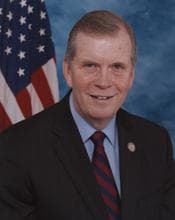
Tim Walberg
Republican Representative
Michigan
Cosponsors (28)
Paul A. Gosar (Republican)Tim Ryan (Democratic)Adrian Smith (Republican)Frank D. Lucas (Republican)Markwayne Mullin (Republican)Guy Reschenthaler (Republican)Alexander X. Mooney (Republican)Joyce Beatty (Democratic)Jackie Speier (Democratic)Warren Davidson (Republican)Bobby L. Rush (Democratic)Tom McClintock (Republican)Steve Cohen (Democratic)Tony Cárdenas (Democratic)Thomas Massie (Republican)Scott Perry (Republican)Daniel Meuser (Republican)Brendan F. Boyle (Democratic)Kelly Armstrong (Republican)Josh Harder (Democratic)Eleanor Holmes Norton (Democratic)Tulsi Gabbard (Democratic)Jamie Raskin (Democratic)Janice D. Schakowsky (Democratic)Bill Posey (Republican)Gwen Moore (Democratic)Alcee L. Hastings (Democratic)David P. Roe (Republican)
Committees (6)
• Ways and Means Committee• Financial Services Committee• Health Subcommittee• Judiciary Committee• Constitution and Limited Government Subcommittee• Energy and Commerce Committee
- Introduced
- In Committee
- On Floor
- Passed Chamber
- Enacted
Fifth Amendment Integrity Restoration Act of 2019 or the FAIR Act This bill revises the procedure for and the structure of civil forfeiture. First, the bill revises the general rules for civil forfeiture proceedings. Specifically, it (1) requires the right to counsel in all civil forfeiture proceedings, (2) raises the evidentiary standard to clear and convincing evidence for the civil forfeiture of property, (3) requires the government to establish by clear and convincing evidence that the owner of the seized property used the property with the intent to facilitate the criminal offense or knowingly consented or was willfully blind to its use in connection with the offense, and (4) expands the proportionality criteria used by a court to determine whether a civil forfeiture was constitutionally excessive. Next, it requires the proceeds from the disposition of seized property to be deposited into the Treasury, rather than to Department of Justice accounts for law enforcement activities. Additionally, the bill eliminates equitable sharing payments (which allow the federal government to share federally forfeited property with participating states and local law enforcement agencies). It also adds a mens rea requirement (i.e., a knowing violation) to the prohibition against structuring financial transactions to evade reporting requirements. Further, it requires a probable cause hearing to be held within 14 days to determine if there is a violation for structuring financial transactions to evade reporting requirements, and requires the return of a monetary instrument if probable cause is not established.
View Full TextSuggested Questions
Get AI-generated questions to help you understand this bill better
Timeline
Introduced in House
Referred to the Committee on the Judiciary, and in addition to the Committees on Energy and Commerce, Ways and Means, and Financial Services, for a period to be subsequently determined by the Speaker, in each case for consideration of such provisions as fall within the jurisdiction of the committee concerned.
Referred to the Subcommittee on Health.
Referred to the Subcommittee on the Constitution, Civil Rights, and Civil Liberties.
Crime and Law Enforcement
Civil actions and liabilityCongressional oversightCriminal investigation, prosecution, interrogationCriminal procedure and sentencingCurrencyCustoms enforcementDrug trafficking and controlled substancesEvidence and witnessesFraud offenses and financial crimesGovernment trust funds
FAIR Act
USA116th CongressHR-1895| House
| Updated: 5/3/2019
Fifth Amendment Integrity Restoration Act of 2019 or the FAIR Act This bill revises the procedure for and the structure of civil forfeiture. First, the bill revises the general rules for civil forfeiture proceedings. Specifically, it (1) requires the right to counsel in all civil forfeiture proceedings, (2) raises the evidentiary standard to clear and convincing evidence for the civil forfeiture of property, (3) requires the government to establish by clear and convincing evidence that the owner of the seized property used the property with the intent to facilitate the criminal offense or knowingly consented or was willfully blind to its use in connection with the offense, and (4) expands the proportionality criteria used by a court to determine whether a civil forfeiture was constitutionally excessive. Next, it requires the proceeds from the disposition of seized property to be deposited into the Treasury, rather than to Department of Justice accounts for law enforcement activities. Additionally, the bill eliminates equitable sharing payments (which allow the federal government to share federally forfeited property with participating states and local law enforcement agencies). It also adds a mens rea requirement (i.e., a knowing violation) to the prohibition against structuring financial transactions to evade reporting requirements. Further, it requires a probable cause hearing to be held within 14 days to determine if there is a violation for structuring financial transactions to evade reporting requirements, and requires the return of a monetary instrument if probable cause is not established.
View Full TextSuggested Questions
Get AI-generated questions to help you understand this bill better
Timeline
Introduced in House
Referred to the Committee on the Judiciary, and in addition to the Committees on Energy and Commerce, Ways and Means, and Financial Services, for a period to be subsequently determined by the Speaker, in each case for consideration of such provisions as fall within the jurisdiction of the committee concerned.
Referred to the Subcommittee on Health.
Referred to the Subcommittee on the Constitution, Civil Rights, and Civil Liberties.
Tim Walberg
Republican Representative
Michigan
Cosponsors (28)
Paul A. Gosar (Republican)Tim Ryan (Democratic)Adrian Smith (Republican)Frank D. Lucas (Republican)Markwayne Mullin (Republican)Guy Reschenthaler (Republican)Alexander X. Mooney (Republican)Joyce Beatty (Democratic)Jackie Speier (Democratic)Warren Davidson (Republican)Bobby L. Rush (Democratic)Tom McClintock (Republican)Steve Cohen (Democratic)Tony Cárdenas (Democratic)Thomas Massie (Republican)Scott Perry (Republican)Daniel Meuser (Republican)Brendan F. Boyle (Democratic)Kelly Armstrong (Republican)Josh Harder (Democratic)Eleanor Holmes Norton (Democratic)Tulsi Gabbard (Democratic)Jamie Raskin (Democratic)Janice D. Schakowsky (Democratic)Bill Posey (Republican)Gwen Moore (Democratic)Alcee L. Hastings (Democratic)David P. Roe (Republican)
Committees (6)
• Ways and Means Committee• Financial Services Committee• Health Subcommittee• Judiciary Committee• Constitution and Limited Government Subcommittee• Energy and Commerce Committee
Crime and Law Enforcement
Related Bills
- Introduced
- In Committee
- On Floor
- Passed Chamber
- Enacted
Civil actions and liabilityCongressional oversightCriminal investigation, prosecution, interrogationCriminal procedure and sentencingCurrencyCustoms enforcementDrug trafficking and controlled substancesEvidence and witnessesFraud offenses and financial crimesGovernment trust funds