Next Step Act of 2019
USA116th CongressHR-1893| House
| Updated: 4/8/2019
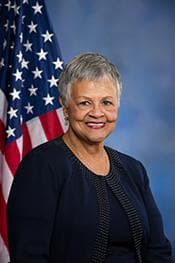
Bonnie Watson Coleman
Democratic Representative
New Jersey
Cosponsors (4)
Committees (14)
• Committee on House Administration• Ways and Means Committee• Indian and Insular Affairs Subcommittee• Agriculture Committee• Crime and Federal Government Surveillance Subcommittee• Financial Services Committee• Health Subcommittee• Judiciary Committee• Armed Services Committee• Energy and Commerce Committee• Education and Workforce Committee• Nutrition and Foreign Agriculture Subcommittee• Oversight and Government Reform Committee• Natural Resources Committee
- Introduced
- In Committee
- On Floor
- Passed Chamber
- Enacted
Next Step Act of 2019 This bill revises sentencing guidelines, addresses prison conditions and prisoner reentry, and addresses law enforcement training. First, it eliminates increased and mandatory minimum penalties for drug offenses involving mixtures or substances which contain cocaine base (i.e., crack cocaine). It decriminalizes marijuana by (1) removing marijuana from the list of scheduled substances; (2) eliminating criminal penalties for an individual who imports, exports, manufactures, distributes, or possesses with intent to distribute marijuana; and (3) expunging convictions for marijuana use or possession. It reduces the mandatory minimum prison term for defendants who manufacture, distribute, or possess with intent to distribute a controlled substance. Additionally, the bill requires the Bureau of Prisons (BOP) to provide videoconferencing free of charge to prisoners; prohibits federal agencies from requesting that applicants disclose their criminal history before receiving a conditional offer of employment; restricts the use of criminal records to disqualify individuals from employment, occupational licensing, or occupational certification; creates a mechanism by which certain eligible individuals may file a petition to seal federal criminal records for certain nonviolent offenses; reinstates the right to vote in federal elections for persons convicted of criminal offenses; revises requirements for the BOP to help prisoners obtain identification documents prior to their release; establishes and revises certain grants; requires a state or tribe that receives certain funding to report on use-of-force incidents involving a law enforcement officer and a civilian; and prohibits racial profiling by law enforcement.
View Full TextSuggested Questions
Get AI-generated questions to help you understand this bill better
Timeline
Introduced in House
Referred to the Committee on the Judiciary, and in addition to the Committees on Energy and Commerce, Financial Services, Agriculture, Natural Resources, Oversight and Reform, House Administration, Armed Services, Education and Labor, and Ways and Means, for a period to be subsequently determined by the Speaker, in each case for consideration of such provisions as fall within the jurisdiction of the committee concerned.
Referred to the Subcommittee on Health.
Referred to the Subcommittee for Indigenous Peoples of the United States.
Referred to the Subcommittee on Nutrition, Oversight, and Department Operations.
Referred to the Subcommittee on Crime, Terrorism, and Homeland Security.
Crime and Law Enforcement
Administrative law and regulatory proceduresAdministrative remediesChild healthChild safety and welfareCivil actions and liabilityCongressional oversightCorrectional facilities and imprisonmentCriminal investigation, prosecution, interrogationCriminal justice information and recordsCriminal procedure and sentencingDepartment of DefenseDetention of personsDrug, alcohol, tobacco useDrug trafficking and controlled substancesEmergency medical services and trauma careEmployee hiringEmployee performanceEmployment and training programsEmployment discrimination and employee rightsEvidence and witnessesFirearms and explosivesFood assistance and reliefGeneral Services AdministrationGovernment employee pay, benefits, personnel managementGovernment information and archivesGovernment studies and investigationsHealth programs administration and fundingHealth promotion and preventive careHousing and community development fundingIntergovernmental relationsJudicial procedure and administrationJuvenile crime and gang violenceLaw enforcement administration and fundingLaw enforcement officersLawyers and legal servicesLicensing and registrationsMental healthMilitary procurement, research, weapons developmentOffice of Management and Budget (OMB)Office of Personnel Management (OPM)Personnel recordsPoverty and welfare assistancePublic contracts and procurementSex, gender, sexual orientation discriminationState and local government operationsTrade restrictionsU.S. Sentencing CommissionVoting rights
Next Step Act of 2019
USA116th CongressHR-1893| House
| Updated: 4/8/2019
Next Step Act of 2019 This bill revises sentencing guidelines, addresses prison conditions and prisoner reentry, and addresses law enforcement training. First, it eliminates increased and mandatory minimum penalties for drug offenses involving mixtures or substances which contain cocaine base (i.e., crack cocaine). It decriminalizes marijuana by (1) removing marijuana from the list of scheduled substances; (2) eliminating criminal penalties for an individual who imports, exports, manufactures, distributes, or possesses with intent to distribute marijuana; and (3) expunging convictions for marijuana use or possession. It reduces the mandatory minimum prison term for defendants who manufacture, distribute, or possess with intent to distribute a controlled substance. Additionally, the bill requires the Bureau of Prisons (BOP) to provide videoconferencing free of charge to prisoners; prohibits federal agencies from requesting that applicants disclose their criminal history before receiving a conditional offer of employment; restricts the use of criminal records to disqualify individuals from employment, occupational licensing, or occupational certification; creates a mechanism by which certain eligible individuals may file a petition to seal federal criminal records for certain nonviolent offenses; reinstates the right to vote in federal elections for persons convicted of criminal offenses; revises requirements for the BOP to help prisoners obtain identification documents prior to their release; establishes and revises certain grants; requires a state or tribe that receives certain funding to report on use-of-force incidents involving a law enforcement officer and a civilian; and prohibits racial profiling by law enforcement.
View Full TextSuggested Questions
Get AI-generated questions to help you understand this bill better
Timeline
Introduced in House
Referred to the Committee on the Judiciary, and in addition to the Committees on Energy and Commerce, Financial Services, Agriculture, Natural Resources, Oversight and Reform, House Administration, Armed Services, Education and Labor, and Ways and Means, for a period to be subsequently determined by the Speaker, in each case for consideration of such provisions as fall within the jurisdiction of the committee concerned.
Referred to the Subcommittee on Health.
Referred to the Subcommittee for Indigenous Peoples of the United States.
Referred to the Subcommittee on Nutrition, Oversight, and Department Operations.
Referred to the Subcommittee on Crime, Terrorism, and Homeland Security.
Bonnie Watson Coleman
Democratic Representative
New Jersey
Cosponsors (4)
Committees (14)
• Committee on House Administration• Ways and Means Committee• Indian and Insular Affairs Subcommittee• Agriculture Committee• Crime and Federal Government Surveillance Subcommittee• Financial Services Committee• Health Subcommittee• Judiciary Committee• Armed Services Committee• Energy and Commerce Committee• Education and Workforce Committee• Nutrition and Foreign Agriculture Subcommittee• Oversight and Government Reform Committee• Natural Resources Committee
Crime and Law Enforcement
Related Bills
- HR 116-196: Democracy Restoration Act of 2019
- S 116-387: Fair Chance Act
- HR 116-2410: REDEEM Act
- S 116-697: Next Step Act of 2019
- S 116-1080: New Pathways Act
- HR 116-8941: To secure the Federal voting rights of persons when released from incarceration.
- HR 116-2232: New Pathways Act
- S 116-1068: Democracy Restoration Act of 2019
- S 116-2850: Smarter Sentencing Act of 2019
- HR 116-1076: Fair Chance Act
- Introduced
- In Committee
- On Floor
- Passed Chamber
- Enacted
Administrative law and regulatory proceduresAdministrative remediesChild healthChild safety and welfareCivil actions and liabilityCongressional oversightCorrectional facilities and imprisonmentCriminal investigation, prosecution, interrogationCriminal justice information and recordsCriminal procedure and sentencingDepartment of DefenseDetention of personsDrug, alcohol, tobacco useDrug trafficking and controlled substancesEmergency medical services and trauma careEmployee hiringEmployee performanceEmployment and training programsEmployment discrimination and employee rightsEvidence and witnessesFirearms and explosivesFood assistance and reliefGeneral Services AdministrationGovernment employee pay, benefits, personnel managementGovernment information and archivesGovernment studies and investigationsHealth programs administration and fundingHealth promotion and preventive careHousing and community development fundingIntergovernmental relationsJudicial procedure and administrationJuvenile crime and gang violenceLaw enforcement administration and fundingLaw enforcement officersLawyers and legal servicesLicensing and registrationsMental healthMilitary procurement, research, weapons developmentOffice of Management and Budget (OMB)Office of Personnel Management (OPM)Personnel recordsPoverty and welfare assistancePublic contracts and procurementSex, gender, sexual orientation discriminationState and local government operationsTrade restrictionsU.S. Sentencing CommissionVoting rights