Coastal Communities Ocean Acidification Act of 2019
USA116th CongressHR-1716| House
| Updated: 6/10/2019
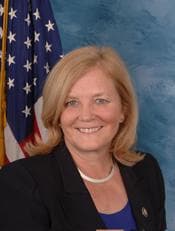
Chellie Pingree
Democratic Representative
Maine
Cosponsors (18)
Jared F. Golden (Democratic)Jared Huffman (Democratic)Don Young (Republican)Peter T. King (Republican)Jimmy Panetta (Democratic)Jennifer Wexton (Democratic)Michael Waltz (Republican)Lucille Roybal-Allard (Democratic)Tulsi Gabbard (Democratic)James P. McGovern (Democratic)Eddie Bernice Johnson (Democratic)Rick Larsen (Democratic)Charlie Crist (Democratic)Mike Thompson (Democratic)Suzanne Bonamici (Democratic)Jenniffer González-Colón (Republican)Francis Rooney (Republican)Vern Buchanan (Republican)
Commerce, Science, and Transportation Committee, Environment Subcommittee, Science, Space, and Technology Committee
- Introduced
- In Committee
- On Floor
- Passed Chamber
- Enacted
Coastal Communities Ocean Acidification Act of 2019 This bill requires the National Oceanic and Atmospheric Administration (NOAA) to conduct and update at least once every seven years an ocean acidification coastal community vulnerability assessment with a corresponding public report. The assessment must identify (1) U.S. coastal communities that are most dependent on coastal and ocean resources that may be impacted by ocean acidification; (2) the nature of those communities' vulnerabilities, including the economic impact on local or regional commercial fisheries and recreational opportunities; and (3) key knowledge gaps where research could be devoted to better understand the possible ocean acidification impacts and possible adaptation strategies for the communities. In carrying out the assessment, NOAA must collaborate with state, U.S. territory, local, and tribal government entities that are conducting or have completed vulnerability assessments, strategic research planning, or other similar activities related to ocean acidification to determine whether those activities may serve as a model for others and to identify opportunities for federal agencies to support those activities.
Suggested Questions
Get AI-generated questions to help you understand this bill better
Timeline
Introduced in House
Referred to the House Committee on Science, Space, and Technology.
Referred to the Subcommittee on Environment.
Subcommittee Consideration and Mark-up Session Held.
Forwarded by Subcommittee to Full Committee by Voice Vote .
Committee Consideration and Mark-up Session Held.
Ordered to be Reported (Amended) by Voice Vote.
Placed on the Union Calendar, Calendar No. 56.
Reported (Amended) by the Committee on Science, Space, and Technology. H. Rept. 116-81.
Ms. Johnson (TX) moved to suspend the rules and pass the bill, as amended.
Considered under suspension of the rules. (consideration: CR H4325-4327)
DEBATE - The House proceeded with forty minutes of debate on H.R. 1716.
Passed/agreed to in House: On motion to suspend the rules and pass the bill, as amended Agreed to by voice vote.(text: CR H4325-4326)
On motion to suspend the rules and pass the bill, as amended Agreed to by voice vote. (text: CR H4325-4326)
Motion to reconsider laid on the table Agreed to without objection.
Received in the Senate and Read twice and referred to the Committee on Commerce, Science, and Transportation.
Public Lands and Natural Resources
Air qualityAquatic ecologyClimate change and greenhouse gasesEconomic performance and conditionsEnvironmental assessment, monitoring, researchGovernment information and archivesGovernment studies and investigationsMarine and coastal resources, fisheriesMarine pollution
Coastal Communities Ocean Acidification Act of 2019
USA116th CongressHR-1716| House
| Updated: 6/10/2019
Coastal Communities Ocean Acidification Act of 2019 This bill requires the National Oceanic and Atmospheric Administration (NOAA) to conduct and update at least once every seven years an ocean acidification coastal community vulnerability assessment with a corresponding public report. The assessment must identify (1) U.S. coastal communities that are most dependent on coastal and ocean resources that may be impacted by ocean acidification; (2) the nature of those communities' vulnerabilities, including the economic impact on local or regional commercial fisheries and recreational opportunities; and (3) key knowledge gaps where research could be devoted to better understand the possible ocean acidification impacts and possible adaptation strategies for the communities. In carrying out the assessment, NOAA must collaborate with state, U.S. territory, local, and tribal government entities that are conducting or have completed vulnerability assessments, strategic research planning, or other similar activities related to ocean acidification to determine whether those activities may serve as a model for others and to identify opportunities for federal agencies to support those activities.
Suggested Questions
Get AI-generated questions to help you understand this bill better
Timeline
Introduced in House
Referred to the House Committee on Science, Space, and Technology.
Referred to the Subcommittee on Environment.
Subcommittee Consideration and Mark-up Session Held.
Forwarded by Subcommittee to Full Committee by Voice Vote .
Committee Consideration and Mark-up Session Held.
Ordered to be Reported (Amended) by Voice Vote.
Placed on the Union Calendar, Calendar No. 56.
Reported (Amended) by the Committee on Science, Space, and Technology. H. Rept. 116-81.
Ms. Johnson (TX) moved to suspend the rules and pass the bill, as amended.
Considered under suspension of the rules. (consideration: CR H4325-4327)
DEBATE - The House proceeded with forty minutes of debate on H.R. 1716.
Passed/agreed to in House: On motion to suspend the rules and pass the bill, as amended Agreed to by voice vote.(text: CR H4325-4326)
On motion to suspend the rules and pass the bill, as amended Agreed to by voice vote. (text: CR H4325-4326)
Motion to reconsider laid on the table Agreed to without objection.
Received in the Senate and Read twice and referred to the Committee on Commerce, Science, and Transportation.
Chellie Pingree
Democratic Representative
Maine
Cosponsors (18)
Jared F. Golden (Democratic)Jared Huffman (Democratic)Don Young (Republican)Peter T. King (Republican)Jimmy Panetta (Democratic)Jennifer Wexton (Democratic)Michael Waltz (Republican)Lucille Roybal-Allard (Democratic)Tulsi Gabbard (Democratic)James P. McGovern (Democratic)Eddie Bernice Johnson (Democratic)Rick Larsen (Democratic)Charlie Crist (Democratic)Mike Thompson (Democratic)Suzanne Bonamici (Democratic)Jenniffer González-Colón (Republican)Francis Rooney (Republican)Vern Buchanan (Republican)
Commerce, Science, and Transportation Committee, Environment Subcommittee, Science, Space, and Technology Committee
Public Lands and Natural Resources
Related Bills
- Introduced
- In Committee
- On Floor
- Passed Chamber
- Enacted
Air qualityAquatic ecologyClimate change and greenhouse gasesEconomic performance and conditionsEnvironmental assessment, monitoring, researchGovernment information and archivesGovernment studies and investigationsMarine and coastal resources, fisheriesMarine pollution