Extreme Risk Protection Order Act of 2019
USA116th CongressHR-1236| House
| Updated: 9/10/2019
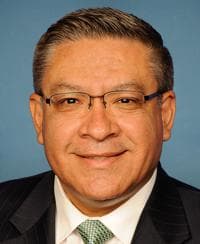
Salud O. Carbajal
Democratic Representative
California
Cosponsors (211)
Brenda L. Lawrence (Democratic)Dwight Evans (Democratic)Al Lawson (Democratic)Kim Schrier (Democratic)Donald Norcross (Democratic)Tim Ryan (Democratic)Val Butler Demings (Democratic)Tom O'Halleran (Democratic)John Garamendi (Democratic)Gilbert Ray Cisneros (Democratic)Sylvia R. Garcia (Democratic)Ruben Gallego (Democratic)Chris Pappas (Democratic)Jared Huffman (Democratic)Marc A. Veasey (Democratic)Robert C. "Bobby" Scott (Democratic)Adam B. Schiff (Democratic)Barbara Lee (Democratic)Mikie Sherrill (Democratic)Nita M. Lowey (Democratic)Robin L. Kelly (Democratic)Joseph P. Kennedy (Democratic)Raúl M. Grijalva (Democratic)Tom Malinowski (Democratic)Stephanie N. Murphy (Democratic)Mark Pocan (Democratic)Abigail Davis Spanberger (Democratic)Karen Bass (Democratic)James R. Langevin (Democratic)Joyce Beatty (Democratic)Lisa Blunt Rochester (Democratic)David N. Cicilline (Democratic)David J. Trone (Democratic)Ed Case (Democratic)Emanuel Cleaver (Democratic)Brian Higgins (Democratic)Chrissy Houlahan (Democratic)Jackie Speier (Democratic)Kathleen M. Rice (Democratic)Darren Soto (Democratic)Raul Ruiz (Democratic)Sheila Jackson Lee (Democratic)Derek Kilmer (Democratic)John A. Yarmuth (Democratic)Ben Ray Luján (Democratic)Carolyn B. Maloney (Democratic)Bill Foster (Democratic)Debra A. Haaland (Democratic)Max Rose (Democratic)Joe Courtney (Democratic)C. A. Dutch Ruppersberger (Democratic)Ilhan Omar (Democratic)Pete Aguilar (Democratic)Eliot L. Engel (Democratic)Juan Vargas (Democratic)Terri A. Sewell (Democratic)Bobby L. Rush (Democratic)Steven Horsford (Democratic)Andy Levin (Democratic)Jimmy Panetta (Democratic)J. Luis Correa (Democratic)Eric Swalwell (Democratic)Dina Titus (Democratic)Michael F. Doyle (Democratic)Debbie Dingell (Democratic)Madeleine Dean (Democratic)Katherine M. Clark (Democratic)Steve Cohen (Democratic)Tony Cárdenas (Democratic)Susan A. Davis (Democratic)Suzan K. DelBene (Democratic)Jennifer Wexton (Democratic)Scott H. Peters (Democratic)Paul Tonko (Democratic)Angie Craig (Democratic)Donald M. Payne (Democratic)Thomas R. Suozzi (Democratic)John P. Sarbanes (Democratic)Wm. Lacy Clay (Democratic)Rosa L. DeLauro (Democratic)Haley M. Stevens (Democratic)Anthony G. Brown (Democratic)Adriano Espaillat (Democratic)Ann Kirkpatrick (Democratic)Danny K. Davis (Democratic)Lucille Roybal-Allard (Democratic)Peter A. DeFazio (Democratic)Daniel T. Kildee (Democratic)Vicente Gonzalez (Democratic)Ted Lieu (Democratic)Ro Khanna (Democratic)A. Donald McEachin (Democratic)Greg Stanton (Democratic)Alan S. Lowenthal (Democratic)Ann M. Kuster (Democratic)Sean Patrick Maloney (Democratic)Henry C. "Hank" Johnson (Democratic)Al Green (Democratic)André Carson (Democratic)Brendan F. Boyle (Democratic)Christopher H. Smith (Republican)Katie Hill (Democratic)Matt Cartwright (Democratic)John B. Larson (Democratic)Joaquin Castro (Democratic)Stephen F. Lynch (Democratic)Mark DeSaulnier (Democratic)Harley Rouda (Democratic)Jim Cooper (Democratic)Joseph D. Morelle (Democratic)G. K. Butterfield (Democratic)Elaine G. Luria (Democratic)Doris O. Matsui (Democratic)Gregory W. Meeks (Democratic)Dean Phillips (Democratic)Jahana Hayes (Democratic)David E. Price (Democratic)Hakeem S. Jeffries (Democratic)Raja Krishnamoorthi (Democratic)Filemon Vela (Democratic)James A. Himes (Democratic)Jerrold Nadler (Democratic)Theodore E. Deutch (Democratic)John Lewis (Democratic)Alma S. Adams (Democratic)Anna G. Eshoo (Democratic)Ami Bera (Democratic)Josh Harder (Democratic)Mark Takano (Democratic)Lucy McBath (Democratic)Pramila Jayapal (Democratic)Kathy Castor (Democratic)Betty McCollum (Democratic)Eleanor Holmes Norton (Democratic)Sharice Davids (Democratic)Brad Sherman (Democratic)Bonnie Watson Coleman (Democratic)Mary Gay Scanlon (Democratic)Denny Heck (Democratic)Daniel Lipinski (Democratic)Richard E. Neal (Democratic)Henry Cuellar (Democratic)Norma J. Torres (Democratic)Antonio Delgado (Democratic)Conor Lamb (Democratic)Abby Finkenauer (Democratic)Jamie Raskin (Democratic)Elijah E. Cummings (Democratic)Jim Costa (Democratic)Joe Neguse (Democratic)Mike Quigley (Democratic)Lois Frankel (Democratic)Donald S. Beyer (Democratic)Sean Casten (Democratic)Debbie Mucarsel-Powell (Democratic)Diana DeGette (Democratic)Janice D. Schakowsky (Democratic)Andy Kim (Democratic)James P. McGovern (Democratic)Alexandria Ocasio-Cortez (Democratic)Adam Smith (Democratic)Nydia M. Velázquez (Democratic)Julia Brownley (Democratic)William R. Keating (Democratic)Jerry McNerney (Democratic)Yvette D. Clarke (Democratic)Rick Larsen (Democratic)Jose E. Serrano (Democratic)Peter Welch (Democratic)Albio Sires (Democratic)Cedric L. Richmond (Democratic)Brian K. Fitzpatrick (Republican)Earl Blumenauer (Democratic)Lori Trahan (Democratic)TJ Cox (Democratic)Charlie Crist (Democratic)Seth Moulton (Democratic)Mike Thompson (Democratic)Elissa Slotkin (Democratic)Suzanne Bonamici (Democratic)Lizzie Fletcher (Democratic)Josh Gottheimer (Democratic)Linda T. Sánchez (Democratic)Ed Perlmutter (Democratic)Zoe Lofgren (Democratic)Nanette Diaz Barragán (Democratic)Jesús G. "Chuy" García (Democratic)Donna E. Shalala (Democratic)Jason Crow (Democratic)Frank Pallone (Democratic)Gwen Moore (Democratic)Jimmy Gomez (Democratic)Susie Lee (Democratic)Grace Meng (Democratic)Cheri Bustos (Democratic)Rashida Tlaib (Democratic)Bradley Scott Schneider (Democratic)Ayanna Pressley (Democratic)Alcee L. Hastings (Democratic)Veronica Escobar (Democratic)Lloyd Doggett (Democratic)Debbie Wasserman Schultz (Democratic)Gerald E. Connolly (Democratic)Lauren Underwood (Democratic)Chellie Pingree (Democratic)Bill Pascrell (Democratic)Grace F. Napolitano (Democratic)Katie Porter (Democratic)Susan Wild (Democratic)Mike Levin (Democratic)Judy Chu (Democratic)
Crime and Federal Government Surveillance Subcommittee, Judiciary Committee
- Introduced
- In Committee
- On Floor
- Passed Chamber
- Enacted
Extreme Risk Protection Order Act of 2019 This bill addresses extreme risk protection order laws. Extreme risk protection order laws, or red flag laws, generally allow certain individuals (e.g., law enforcement officers or family members) to petition a court for a temporary order that prohibits an at-risk individual from purchasing and possessing firearms. First, the bill establishes a grant program to help states and Indian tribes implement extreme risk protection order laws and carry out related activities. Local governments and other entities may also receive grants to carry out certain activities, such as raising public awareness of extreme risk protection order laws. Further, grant recipients must use a specified portion of funds to provide training for law enforcement. In addition, the bill expands the categories of persons who are prohibited from receiving, possessing, shipping, or transporting a firearm or ammunition to include persons who are subject to an extreme risk protection order.
View Full TextSuggested Questions
Get AI-generated questions to help you understand this bill better
Timeline
Introduced in House
Referred to the House Committee on the Judiciary.
Referred to the Subcommittee on Crime, Terrorism, and Homeland Security.
Subcommittee on Crime, Terrorism, and Homeland Security Discharged.
Committee Consideration and Mark-up Session Held.
Ordered to be Reported (Amended) by the Yeas and Nays: 22 - 16.
Crime and Law Enforcement
Due process and equal protectionFirearms and explosivesJudgesJudicial procedure and administrationLaw enforcement administration and fundingLaw enforcement officersMental healthRetail and wholesale tradesState and local government operations
Extreme Risk Protection Order Act of 2019
USA116th CongressHR-1236| House
| Updated: 9/10/2019
Extreme Risk Protection Order Act of 2019 This bill addresses extreme risk protection order laws. Extreme risk protection order laws, or red flag laws, generally allow certain individuals (e.g., law enforcement officers or family members) to petition a court for a temporary order that prohibits an at-risk individual from purchasing and possessing firearms. First, the bill establishes a grant program to help states and Indian tribes implement extreme risk protection order laws and carry out related activities. Local governments and other entities may also receive grants to carry out certain activities, such as raising public awareness of extreme risk protection order laws. Further, grant recipients must use a specified portion of funds to provide training for law enforcement. In addition, the bill expands the categories of persons who are prohibited from receiving, possessing, shipping, or transporting a firearm or ammunition to include persons who are subject to an extreme risk protection order.
View Full TextSuggested Questions
Get AI-generated questions to help you understand this bill better
Timeline
Introduced in House
Referred to the House Committee on the Judiciary.
Referred to the Subcommittee on Crime, Terrorism, and Homeland Security.
Subcommittee on Crime, Terrorism, and Homeland Security Discharged.
Committee Consideration and Mark-up Session Held.
Ordered to be Reported (Amended) by the Yeas and Nays: 22 - 16.
Salud O. Carbajal
Democratic Representative
California
Cosponsors (211)
Brenda L. Lawrence (Democratic)Dwight Evans (Democratic)Al Lawson (Democratic)Kim Schrier (Democratic)Donald Norcross (Democratic)Tim Ryan (Democratic)Val Butler Demings (Democratic)Tom O'Halleran (Democratic)John Garamendi (Democratic)Gilbert Ray Cisneros (Democratic)Sylvia R. Garcia (Democratic)Ruben Gallego (Democratic)Chris Pappas (Democratic)Jared Huffman (Democratic)Marc A. Veasey (Democratic)Robert C. "Bobby" Scott (Democratic)Adam B. Schiff (Democratic)Barbara Lee (Democratic)Mikie Sherrill (Democratic)Nita M. Lowey (Democratic)Robin L. Kelly (Democratic)Joseph P. Kennedy (Democratic)Raúl M. Grijalva (Democratic)Tom Malinowski (Democratic)Stephanie N. Murphy (Democratic)Mark Pocan (Democratic)Abigail Davis Spanberger (Democratic)Karen Bass (Democratic)James R. Langevin (Democratic)Joyce Beatty (Democratic)Lisa Blunt Rochester (Democratic)David N. Cicilline (Democratic)David J. Trone (Democratic)Ed Case (Democratic)Emanuel Cleaver (Democratic)Brian Higgins (Democratic)Chrissy Houlahan (Democratic)Jackie Speier (Democratic)Kathleen M. Rice (Democratic)Darren Soto (Democratic)Raul Ruiz (Democratic)Sheila Jackson Lee (Democratic)Derek Kilmer (Democratic)John A. Yarmuth (Democratic)Ben Ray Luján (Democratic)Carolyn B. Maloney (Democratic)Bill Foster (Democratic)Debra A. Haaland (Democratic)Max Rose (Democratic)Joe Courtney (Democratic)C. A. Dutch Ruppersberger (Democratic)Ilhan Omar (Democratic)Pete Aguilar (Democratic)Eliot L. Engel (Democratic)Juan Vargas (Democratic)Terri A. Sewell (Democratic)Bobby L. Rush (Democratic)Steven Horsford (Democratic)Andy Levin (Democratic)Jimmy Panetta (Democratic)J. Luis Correa (Democratic)Eric Swalwell (Democratic)Dina Titus (Democratic)Michael F. Doyle (Democratic)Debbie Dingell (Democratic)Madeleine Dean (Democratic)Katherine M. Clark (Democratic)Steve Cohen (Democratic)Tony Cárdenas (Democratic)Susan A. Davis (Democratic)Suzan K. DelBene (Democratic)Jennifer Wexton (Democratic)Scott H. Peters (Democratic)Paul Tonko (Democratic)Angie Craig (Democratic)Donald M. Payne (Democratic)Thomas R. Suozzi (Democratic)John P. Sarbanes (Democratic)Wm. Lacy Clay (Democratic)Rosa L. DeLauro (Democratic)Haley M. Stevens (Democratic)Anthony G. Brown (Democratic)Adriano Espaillat (Democratic)Ann Kirkpatrick (Democratic)Danny K. Davis (Democratic)Lucille Roybal-Allard (Democratic)Peter A. DeFazio (Democratic)Daniel T. Kildee (Democratic)Vicente Gonzalez (Democratic)Ted Lieu (Democratic)Ro Khanna (Democratic)A. Donald McEachin (Democratic)Greg Stanton (Democratic)Alan S. Lowenthal (Democratic)Ann M. Kuster (Democratic)Sean Patrick Maloney (Democratic)Henry C. "Hank" Johnson (Democratic)Al Green (Democratic)André Carson (Democratic)Brendan F. Boyle (Democratic)Christopher H. Smith (Republican)Katie Hill (Democratic)Matt Cartwright (Democratic)John B. Larson (Democratic)Joaquin Castro (Democratic)Stephen F. Lynch (Democratic)Mark DeSaulnier (Democratic)Harley Rouda (Democratic)Jim Cooper (Democratic)Joseph D. Morelle (Democratic)G. K. Butterfield (Democratic)Elaine G. Luria (Democratic)Doris O. Matsui (Democratic)Gregory W. Meeks (Democratic)Dean Phillips (Democratic)Jahana Hayes (Democratic)David E. Price (Democratic)Hakeem S. Jeffries (Democratic)Raja Krishnamoorthi (Democratic)Filemon Vela (Democratic)James A. Himes (Democratic)Jerrold Nadler (Democratic)Theodore E. Deutch (Democratic)John Lewis (Democratic)Alma S. Adams (Democratic)Anna G. Eshoo (Democratic)Ami Bera (Democratic)Josh Harder (Democratic)Mark Takano (Democratic)Lucy McBath (Democratic)Pramila Jayapal (Democratic)Kathy Castor (Democratic)Betty McCollum (Democratic)Eleanor Holmes Norton (Democratic)Sharice Davids (Democratic)Brad Sherman (Democratic)Bonnie Watson Coleman (Democratic)Mary Gay Scanlon (Democratic)Denny Heck (Democratic)Daniel Lipinski (Democratic)Richard E. Neal (Democratic)Henry Cuellar (Democratic)Norma J. Torres (Democratic)Antonio Delgado (Democratic)Conor Lamb (Democratic)Abby Finkenauer (Democratic)Jamie Raskin (Democratic)Elijah E. Cummings (Democratic)Jim Costa (Democratic)Joe Neguse (Democratic)Mike Quigley (Democratic)Lois Frankel (Democratic)Donald S. Beyer (Democratic)Sean Casten (Democratic)Debbie Mucarsel-Powell (Democratic)Diana DeGette (Democratic)Janice D. Schakowsky (Democratic)Andy Kim (Democratic)James P. McGovern (Democratic)Alexandria Ocasio-Cortez (Democratic)Adam Smith (Democratic)Nydia M. Velázquez (Democratic)Julia Brownley (Democratic)William R. Keating (Democratic)Jerry McNerney (Democratic)Yvette D. Clarke (Democratic)Rick Larsen (Democratic)Jose E. Serrano (Democratic)Peter Welch (Democratic)Albio Sires (Democratic)Cedric L. Richmond (Democratic)Brian K. Fitzpatrick (Republican)Earl Blumenauer (Democratic)Lori Trahan (Democratic)TJ Cox (Democratic)Charlie Crist (Democratic)Seth Moulton (Democratic)Mike Thompson (Democratic)Elissa Slotkin (Democratic)Suzanne Bonamici (Democratic)Lizzie Fletcher (Democratic)Josh Gottheimer (Democratic)Linda T. Sánchez (Democratic)Ed Perlmutter (Democratic)Zoe Lofgren (Democratic)Nanette Diaz Barragán (Democratic)Jesús G. "Chuy" García (Democratic)Donna E. Shalala (Democratic)Jason Crow (Democratic)Frank Pallone (Democratic)Gwen Moore (Democratic)Jimmy Gomez (Democratic)Susie Lee (Democratic)Grace Meng (Democratic)Cheri Bustos (Democratic)Rashida Tlaib (Democratic)Bradley Scott Schneider (Democratic)Ayanna Pressley (Democratic)Alcee L. Hastings (Democratic)Veronica Escobar (Democratic)Lloyd Doggett (Democratic)Debbie Wasserman Schultz (Democratic)Gerald E. Connolly (Democratic)Lauren Underwood (Democratic)Chellie Pingree (Democratic)Bill Pascrell (Democratic)Grace F. Napolitano (Democratic)Katie Porter (Democratic)Susan Wild (Democratic)Mike Levin (Democratic)Judy Chu (Democratic)
Crime and Federal Government Surveillance Subcommittee, Judiciary Committee
Crime and Law Enforcement
Related Bills
- S 116-4271: Virginia Plan to Reduce Gun Violence Act of 2020
- S 118-4131: Virginia Plan to Reduce Gun Violence Act of 2024
- S 116-3254: Gun Violence Prevention and Community Safety Act of 2020
- HR 116-5717: Gun Violence Prevention and Community Safety Act of 2020
- S 116-506: Extreme Risk Protection Order Act of 2019
- Introduced
- In Committee
- On Floor
- Passed Chamber
- Enacted
Due process and equal protectionFirearms and explosivesJudgesJudicial procedure and administrationLaw enforcement administration and fundingLaw enforcement officersMental healthRetail and wholesale tradesState and local government operations