Responsibly Addressing the Marijuana Policy Gap Act of 2019
USA116th CongressHR-1119| House
| Updated: 3/14/2019
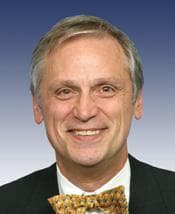
Earl Blumenauer
Democratic Representative
Oregon
Cosponsors (2)
Committees (10)
• Ways and Means Committee• Indian and Insular Affairs Subcommittee• Health Subcommittee• Financial Services Committee• Veterans' Affairs Committee• Judiciary Committee• Energy and Commerce Committee• Education and Workforce Committee• Oversight and Government Reform Committee• Natural Resources Committee
- Introduced
- In Committee
- On Floor
- Passed Chamber
- Enacted
Responsibly Addressing the Marijuana Policy Gap Act of 2019 This bill removes federal restrictions on, and creates new protections for, marijuana-related conduct and activities that are authorized by state or tribal law (i.e., state-authorized). Among other things, the bill does the following: eliminates regulatory controls and administrative, civil, and criminal penalties under the Controlled Substances Act for state-authorized marijuana-related activities; allows businesses that sell marijuana in compliance with state or tribal law to claim certain federal tax credits and deductions; eliminates restrictions on print and broadcast advertising of state-authorized marijuana-related activities; creates protections for depository institutions that provide financial services to marijuana-related businesses; specifies that a marijuana-related business is entitled to federal bankruptcy protections; establishes a process to expunge criminal records related to certain marijuana-related convictions; reestablishes federal student aid eligibility for certain students convicted of a misdemeanor offense for marijuana possession; exempts real property from civil forfeiture due to state-authorized marijuana-related conduct; prohibits the inadmissibility or deportability of aliens for state-authorized marijuana-related conduct; specifies that drug-related criminal activity, which is prohibited in federally assisted housing, does not include state-authorized marijuana-related conduct; establishes a new, separate registration process to facilitate medical marijuana research; authorizes health care providers employed by the Department of Veterans Affairs to recommend participation in state marijuana programs; and authorizes medical providers through an Indian health program to make medical recommendations regarding marijuana.
View Full TextSuggested Questions
Get AI-generated questions to help you understand this bill better
Timeline
Introduced in House
Referred to the Committee on the Judiciary, and in addition to the Committees on Energy and Commerce, Ways and Means, Financial Services, Natural Resources, Education and Labor, Veterans' Affairs, and Oversight and Reform, for a period to be subsequently determined by the Speaker, in each case for consideration of such provisions as fall within the jurisdiction of the committee concerned.
Referred to the Subcommittee for Indigenous Peoples of the United States.
Referred to the Subcommittee on Health.
Crime and Law Enforcement
Alternative treatmentsBank accounts, deposits, capitalBanking and financial institutions regulationBankruptcyBroadcasting, cable, digital technologiesBusiness expensesBusiness recordsCriminal justice information and recordsCriminal procedure and sentencingDepartment of Veterans AffairsDrug, alcohol, tobacco useDrug trafficking and controlled substancesFederal-Indian relationsFraud offenses and financial crimesFree trade and trade barriersGovernment employee pay, benefits, personnel managementHealth personnelHigher educationHousing and community development fundingImmigration status and proceduresIncome tax creditsIncome tax deductionsIndian social and development programsIntergovernmental relationsLicensing and registrationsMarketing and advertisingMedical researchMinority healthPersonnel recordsState and local government operationsStudent aid and college costsTrade agreements and negotiationsVeterans' medical care
Responsibly Addressing the Marijuana Policy Gap Act of 2019
USA116th CongressHR-1119| House
| Updated: 3/14/2019
Responsibly Addressing the Marijuana Policy Gap Act of 2019 This bill removes federal restrictions on, and creates new protections for, marijuana-related conduct and activities that are authorized by state or tribal law (i.e., state-authorized). Among other things, the bill does the following: eliminates regulatory controls and administrative, civil, and criminal penalties under the Controlled Substances Act for state-authorized marijuana-related activities; allows businesses that sell marijuana in compliance with state or tribal law to claim certain federal tax credits and deductions; eliminates restrictions on print and broadcast advertising of state-authorized marijuana-related activities; creates protections for depository institutions that provide financial services to marijuana-related businesses; specifies that a marijuana-related business is entitled to federal bankruptcy protections; establishes a process to expunge criminal records related to certain marijuana-related convictions; reestablishes federal student aid eligibility for certain students convicted of a misdemeanor offense for marijuana possession; exempts real property from civil forfeiture due to state-authorized marijuana-related conduct; prohibits the inadmissibility or deportability of aliens for state-authorized marijuana-related conduct; specifies that drug-related criminal activity, which is prohibited in federally assisted housing, does not include state-authorized marijuana-related conduct; establishes a new, separate registration process to facilitate medical marijuana research; authorizes health care providers employed by the Department of Veterans Affairs to recommend participation in state marijuana programs; and authorizes medical providers through an Indian health program to make medical recommendations regarding marijuana.
View Full TextSuggested Questions
Get AI-generated questions to help you understand this bill better
Timeline
Introduced in House
Referred to the Committee on the Judiciary, and in addition to the Committees on Energy and Commerce, Ways and Means, Financial Services, Natural Resources, Education and Labor, Veterans' Affairs, and Oversight and Reform, for a period to be subsequently determined by the Speaker, in each case for consideration of such provisions as fall within the jurisdiction of the committee concerned.
Referred to the Subcommittee for Indigenous Peoples of the United States.
Referred to the Subcommittee on Health.
Earl Blumenauer
Democratic Representative
Oregon
Cosponsors (2)
Committees (10)
• Ways and Means Committee• Indian and Insular Affairs Subcommittee• Health Subcommittee• Financial Services Committee• Veterans' Affairs Committee• Judiciary Committee• Energy and Commerce Committee• Education and Workforce Committee• Oversight and Government Reform Committee• Natural Resources Committee
Crime and Law Enforcement
Related Bills
- S 116-422: Small Business Tax Equity Act of 2019
- HR 116-1416: Tribal Marijuana Sovereignty Act of 2019
- HR 116-3797: Medical Marijuana Research Act
- S 116-421: Responsibly Addressing the Marijuana Policy Gap Act of 2019
- HR 116-1647: Veterans Equal Access Act
- HR 116-1118: Small Business Tax Equity Act of 2019
- Introduced
- In Committee
- On Floor
- Passed Chamber
- Enacted
Alternative treatmentsBank accounts, deposits, capitalBanking and financial institutions regulationBankruptcyBroadcasting, cable, digital technologiesBusiness expensesBusiness recordsCriminal justice information and recordsCriminal procedure and sentencingDepartment of Veterans AffairsDrug, alcohol, tobacco useDrug trafficking and controlled substancesFederal-Indian relationsFraud offenses and financial crimesFree trade and trade barriersGovernment employee pay, benefits, personnel managementHealth personnelHigher educationHousing and community development fundingImmigration status and proceduresIncome tax creditsIncome tax deductionsIndian social and development programsIntergovernmental relationsLicensing and registrationsMarketing and advertisingMedical researchMinority healthPersonnel recordsState and local government operationsStudent aid and college costsTrade agreements and negotiationsVeterans' medical care