Stop Price Gouging Act
USA116th CongressHR-1093| House
| Updated: 2/7/2019
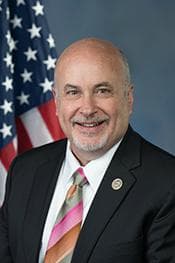
Mark Pocan
Democratic Representative
Wisconsin
Cosponsors (1)
Ways and Means Committee, Health Subcommittee, Energy and Commerce Committee
- Introduced
- In Committee
- On Floor
- Passed Chamber
- Enacted
Stop Price Gouging Act This bill imposes an excise tax on pharmaceutical companies that sell prescription drugs that are subject to price spikes that exceed the annual percentage increase in the Chained Consumer Price Index. For each taxable prescription drug, the excise tax ranges from 50% to 100% of price spike revenue received by the company, depending on the size of the price spike and including an adjustment for revenue that is due solely to an increase in the cost of the inputs necessary to manufacture the drug. Pharmaceutical companies must submit specified data regarding drug prices and revenue to the Inspector General (IG) of the Department of Health and Human Services (HHS), and the IG must submit an assessment of the data to the Internal Revenue Service. HHS, upon the recommendation of the IG, may exempt certain drugs from the excise tax if (1) a for-cause price increase exemption should apply or; (2) the drug has an average manufacturer price of not greater than $10 for a 30-day supply and is marketed by at least 3 other holders of applications approved under the Federal Food, Drug, and Cosmetic Act. The Government Accountability Office must examine (1) how drug manufacturers and health plans establish initial launch prices for newly approved drugs, and (2) alternative methods that have been proposed for setting the price of new drugs.
View Full TextSuggested Questions
Get AI-generated questions to help you understand this bill better
Timeline
Introduced in House
Referred to the Subcommittee on Health.
Referred to the Committee on Energy and Commerce, and in addition to the Committee on Ways and Means, for a period to be subsequently determined by the Speaker, in each case for consideration of such provisions as fall within the jurisdiction of the committee concerned.
Taxation
Business recordsCongressional oversightGovernment information and archivesGovernment studies and investigationsHealth care costs and insuranceInflation and pricesPrescription drugsSales and excise taxes
Stop Price Gouging Act
USA116th CongressHR-1093| House
| Updated: 2/7/2019
Stop Price Gouging Act This bill imposes an excise tax on pharmaceutical companies that sell prescription drugs that are subject to price spikes that exceed the annual percentage increase in the Chained Consumer Price Index. For each taxable prescription drug, the excise tax ranges from 50% to 100% of price spike revenue received by the company, depending on the size of the price spike and including an adjustment for revenue that is due solely to an increase in the cost of the inputs necessary to manufacture the drug. Pharmaceutical companies must submit specified data regarding drug prices and revenue to the Inspector General (IG) of the Department of Health and Human Services (HHS), and the IG must submit an assessment of the data to the Internal Revenue Service. HHS, upon the recommendation of the IG, may exempt certain drugs from the excise tax if (1) a for-cause price increase exemption should apply or; (2) the drug has an average manufacturer price of not greater than $10 for a 30-day supply and is marketed by at least 3 other holders of applications approved under the Federal Food, Drug, and Cosmetic Act. The Government Accountability Office must examine (1) how drug manufacturers and health plans establish initial launch prices for newly approved drugs, and (2) alternative methods that have been proposed for setting the price of new drugs.
View Full TextSuggested Questions
Get AI-generated questions to help you understand this bill better
Timeline
Introduced in House
Referred to the Subcommittee on Health.
Referred to the Committee on Energy and Commerce, and in addition to the Committee on Ways and Means, for a period to be subsequently determined by the Speaker, in each case for consideration of such provisions as fall within the jurisdiction of the committee concerned.
Mark Pocan
Democratic Representative
Wisconsin
Cosponsors (1)
Ways and Means Committee, Health Subcommittee, Energy and Commerce Committee
Taxation
- Introduced
- In Committee
- On Floor
- Passed Chamber
- Enacted
Business recordsCongressional oversightGovernment information and archivesGovernment studies and investigationsHealth care costs and insuranceInflation and pricesPrescription drugsSales and excise taxes