To establish defiance of a congressional subpoena for testimony or documents by the President as an impeachable high crimes and misdemeanor within the meaning of Article II, Section 4 of the United States Constitution.
USA116th CongressHCONRES-111| House
| Updated: 8/21/2020
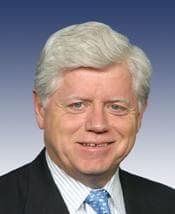
John B. Larson
Democratic Representative
Connecticut
Cosponsors (1)
Judiciary Committee
- Introduced
- In Committee
- On Floor
- Passed Chamber
- Enacted
This concurrent resolution declares that (1) a President's, Vice-President's, or Civil Officer's deliberate disobedience and defiance of a congressional subpoena may constitute an impeachable high crime and misdemeanor; and (2) if a President refuses to comply with a congressional subpoena by invoking executive privilege, the failure to assert that privilege with factual and legal specificity shall be taken as evidence of such disobedience and defiance.
View Full TextSuggested Questions
Get AI-generated questions to help you understand this bill better
Timeline
Introduced in House
Referred to the House Committee on the Judiciary.
Congress
Congressional oversightEvidence and witnessesGovernment ethics and transparency, public corruptionPresidents and presidential powers, Vice Presidents
To establish defiance of a congressional subpoena for testimony or documents by the President as an impeachable high crimes and misdemeanor within the meaning of Article II, Section 4 of the United States Constitution.
USA116th CongressHCONRES-111| House
| Updated: 8/21/2020
This concurrent resolution declares that (1) a President's, Vice-President's, or Civil Officer's deliberate disobedience and defiance of a congressional subpoena may constitute an impeachable high crime and misdemeanor; and (2) if a President refuses to comply with a congressional subpoena by invoking executive privilege, the failure to assert that privilege with factual and legal specificity shall be taken as evidence of such disobedience and defiance.
View Full TextSuggested Questions
Get AI-generated questions to help you understand this bill better
Timeline
Introduced in House
Referred to the House Committee on the Judiciary.
John B. Larson
Democratic Representative
Connecticut
Cosponsors (1)
Judiciary Committee
Congress
- Introduced
- In Committee
- On Floor
- Passed Chamber
- Enacted
Congressional oversightEvidence and witnessesGovernment ethics and transparency, public corruptionPresidents and presidential powers, Vice Presidents