A bill to transition away from fossil fuel sources of energy to 100 percent clean and renewable energy by 2050, and for other purposes.
USA115th CongressS-987| Senate
| Updated: 7/11/2017
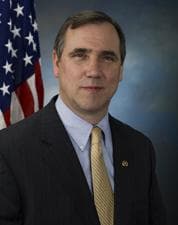
Jeff Merkley
Democratic Senator
Oregon
Cosponsors (4)
Finance Committee
- Introduced
- In Committee
- On Floor
- Passed Chamber
- Enacted
100 by '50 Act This bill calls for the United States to aggressively reduce carbon pollution as rapidly as practicable and achieve 100% clean and renewable energy by 2050. It provides financial support (e.g., grant programs and loans) for clean and renewable energy, including support for affordable zero-emission vehicle-based public transportation, solar energy, and energy efficiency retrofits in homes. The bill provides job training, unemployment compensation, health benefits, and pension and other benefits and services to adversely affected workers employed in the fossil fuel energy sector. The bill amends the Public Utility Regulatory Policies Act of 1978 to create annual caps on fossil fuel electricity beginning in 2022 and ending in 2050 when it is phased out. The Department of Energy (DOE) must establish a grant program for energy storage and dispatchable energy technologies. The bill provides financial incentives (e.g., tax credits and grants) for clean and renewable energy, energy efficiency improvements, and energy storage. The bill amends the Clean Air Act to establish a zero-emission vehicle standard. In addition, it establishes: (1) a carbon fee to transition the commercial aviation, maritime transportation, and rail sectors away from fossil fuel usage; (2) grant programs for zero-emission vehicles; (3) a national highway decarbonization grant program; and (4) tax credits for electric vehicles, hybrid trucks, biofuels, and alternative fuels. DOE must also establish a zero-emission residential and commercial heating grant program. The bill: (1) terminates specified fossil fuel subsidies, and (2) creates a climate duty for carbon-intensive products imported from other countries. The Department of the Treasury must issue climate bonds. The proceeds of the bonds must be deposited in the Climate Fund, which may be used to carry out the bill.
View Full TextSuggested Questions
Get AI-generated questions to help you understand this bill better
Timeline
Introduced in Senate
Read twice and referred to the Committee on Finance. (Sponsor introductory remarks on measure: CR S2624-2627)
Star Print ordered on the bill.
Energy
Administrative law and regulatory proceduresAir qualityAlaska Natives and HawaiiansAlternative and renewable resourcesAviation and airportsBuilding constructionBusiness investment and capitalCapital gains taxClimate change and greenhouse gasesCoalCommunity life and organizationEconomic developmentEducation programs fundingElectric power generation and transmissionEmployee benefits and pensionsEmployee hiringEmployment and training programsEnergy assistance for the poor and agedEnergy efficiency and conservationEnergy storage, supplies, demandEnvironmental technologyFederal Energy Regulatory Commission (FERC)Foreign and international corporationsGovernment lending and loan guaranteesGovernment trust fundsGulf of MexicoHousing and community development fundingHybrid, electric, and advanced technology vehiclesIncome tax creditsIncome tax deductionsIndian social and development programsIndustrial facilitiesInfrastructure developmentLabor-management relationsLighting and heatingLighting, heating, coolingLow- and moderate-income housingManufacturingMarine and coastal resources, fisheriesMarine and inland water transportationMiningOil and gasPublic contracts and procurementPublic transitRailroadsResidential rehabilitation and home repairRoads and highwaysRural conditions and developmentSecuritiesSmall businessTariffsTaxation of foreign incomeTax-exempt organizationsTrade adjustment assistanceTransportation programs fundingUnemploymentVocational and technical educationWater qualityWater use and supplyYouth employment and child labor
A bill to transition away from fossil fuel sources of energy to 100 percent clean and renewable energy by 2050, and for other purposes.
USA115th CongressS-987| Senate
| Updated: 7/11/2017
100 by '50 Act This bill calls for the United States to aggressively reduce carbon pollution as rapidly as practicable and achieve 100% clean and renewable energy by 2050. It provides financial support (e.g., grant programs and loans) for clean and renewable energy, including support for affordable zero-emission vehicle-based public transportation, solar energy, and energy efficiency retrofits in homes. The bill provides job training, unemployment compensation, health benefits, and pension and other benefits and services to adversely affected workers employed in the fossil fuel energy sector. The bill amends the Public Utility Regulatory Policies Act of 1978 to create annual caps on fossil fuel electricity beginning in 2022 and ending in 2050 when it is phased out. The Department of Energy (DOE) must establish a grant program for energy storage and dispatchable energy technologies. The bill provides financial incentives (e.g., tax credits and grants) for clean and renewable energy, energy efficiency improvements, and energy storage. The bill amends the Clean Air Act to establish a zero-emission vehicle standard. In addition, it establishes: (1) a carbon fee to transition the commercial aviation, maritime transportation, and rail sectors away from fossil fuel usage; (2) grant programs for zero-emission vehicles; (3) a national highway decarbonization grant program; and (4) tax credits for electric vehicles, hybrid trucks, biofuels, and alternative fuels. DOE must also establish a zero-emission residential and commercial heating grant program. The bill: (1) terminates specified fossil fuel subsidies, and (2) creates a climate duty for carbon-intensive products imported from other countries. The Department of the Treasury must issue climate bonds. The proceeds of the bonds must be deposited in the Climate Fund, which may be used to carry out the bill.
View Full TextSuggested Questions
Get AI-generated questions to help you understand this bill better
Timeline
Introduced in Senate
Read twice and referred to the Committee on Finance. (Sponsor introductory remarks on measure: CR S2624-2627)
Star Print ordered on the bill.
Jeff Merkley
Democratic Senator
Oregon
Cosponsors (4)
Finance Committee
Energy
Related Bills
- HR 115-3434: To amend the Internal Revenue Code of 1986 to modify the rules relating to inverted corporations.
- HR 115-3314: To transition away from fossil fuel sources of energy to 100 percent clean and renewable energy by 2050, and for other purposes.
- HR 115-2447: To require the Secretary of Energy to provide loans and grants for solar installations in low-income and underserved areas.
- S 115-1636: A bill to amend the Internal Revenue Code of 1986 to modify the rules relating to inverted corporations.
- Introduced
- In Committee
- On Floor
- Passed Chamber
- Enacted
Administrative law and regulatory proceduresAir qualityAlaska Natives and HawaiiansAlternative and renewable resourcesAviation and airportsBuilding constructionBusiness investment and capitalCapital gains taxClimate change and greenhouse gasesCoalCommunity life and organizationEconomic developmentEducation programs fundingElectric power generation and transmissionEmployee benefits and pensionsEmployee hiringEmployment and training programsEnergy assistance for the poor and agedEnergy efficiency and conservationEnergy storage, supplies, demandEnvironmental technologyFederal Energy Regulatory Commission (FERC)Foreign and international corporationsGovernment lending and loan guaranteesGovernment trust fundsGulf of MexicoHousing and community development fundingHybrid, electric, and advanced technology vehiclesIncome tax creditsIncome tax deductionsIndian social and development programsIndustrial facilitiesInfrastructure developmentLabor-management relationsLighting and heatingLighting, heating, coolingLow- and moderate-income housingManufacturingMarine and coastal resources, fisheriesMarine and inland water transportationMiningOil and gasPublic contracts and procurementPublic transitRailroadsResidential rehabilitation and home repairRoads and highwaysRural conditions and developmentSecuritiesSmall businessTariffsTaxation of foreign incomeTax-exempt organizationsTrade adjustment assistanceTransportation programs fundingUnemploymentVocational and technical educationWater qualityWater use and supplyYouth employment and child labor