A bill to amend the Internal Revenue Code of 1986 to protect older, longer service and grandfathered participants in defined benefit plans.
USA115th CongressS-852| Senate
| Updated: 4/5/2017
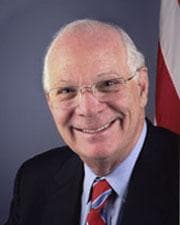
Benjamin L. Cardin
Democratic Senator
Maryland
Cosponsors (1)
Finance Committee
- Introduced
- In Committee
- On Floor
- Passed Chamber
- Enacted
Retirement Security Preservation Act of 2017 This bill amends the Internal Revenue Code to modify the nondiscrimination requirements for certain defined benefit retirement plans that limit participation or certain features to a closed class, such as individuals who were hired before a certain date. (Under current law, the plans may not discriminate in favor of highly compensated employees and must meet minimum participation requirements.) The bill applies only to a defined benefit plan that: (1) closed before April 5, 2017; or (2) was in effect for at least five years when it closed and did not substantially increase the coverage or value of the benefits, rights, or features for the closed class during the five-year period before it closed, except as the result of certain business acquisitions or mergers. Such a plan meets the nondiscrimination requirements if it: (1) satisfies certain testing rules for the year that the class closes and the two succeeding plan years, and (2) is not amended in a discriminatory manner after the class is closed. A defined contribution plan that offers additional contributions or benefits to a closed class whose benefits under a defined benefit plan have been reduced or eliminated meets the nondiscrimination requirements if: (1) the group receiving the contributions or benefits satisfies certain testing rules for the year in which the group is closed and for two subsequent plan years, and (2) the plan is not amended in a discriminatory manner. A defined benefit plan that is either closed or has ceased benefit accruals for all participants (frozen plan) satisfies the minimum participation requirements if the plan met the requirements when it was closed or frozen.
View Full TextSuggested Questions
Get AI-generated questions to help you understand this bill better
Timeline
Introduced in Senate
Read twice and referred to the Committee on Finance.
Taxation
Employee benefits and pensionsIncome tax deferral
A bill to amend the Internal Revenue Code of 1986 to protect older, longer service and grandfathered participants in defined benefit plans.
USA115th CongressS-852| Senate
| Updated: 4/5/2017
Retirement Security Preservation Act of 2017 This bill amends the Internal Revenue Code to modify the nondiscrimination requirements for certain defined benefit retirement plans that limit participation or certain features to a closed class, such as individuals who were hired before a certain date. (Under current law, the plans may not discriminate in favor of highly compensated employees and must meet minimum participation requirements.) The bill applies only to a defined benefit plan that: (1) closed before April 5, 2017; or (2) was in effect for at least five years when it closed and did not substantially increase the coverage or value of the benefits, rights, or features for the closed class during the five-year period before it closed, except as the result of certain business acquisitions or mergers. Such a plan meets the nondiscrimination requirements if it: (1) satisfies certain testing rules for the year that the class closes and the two succeeding plan years, and (2) is not amended in a discriminatory manner after the class is closed. A defined contribution plan that offers additional contributions or benefits to a closed class whose benefits under a defined benefit plan have been reduced or eliminated meets the nondiscrimination requirements if: (1) the group receiving the contributions or benefits satisfies certain testing rules for the year in which the group is closed and for two subsequent plan years, and (2) the plan is not amended in a discriminatory manner. A defined benefit plan that is either closed or has ceased benefit accruals for all participants (frozen plan) satisfies the minimum participation requirements if the plan met the requirements when it was closed or frozen.
View Full TextSuggested Questions
Get AI-generated questions to help you understand this bill better
Timeline
Introduced in Senate
Read twice and referred to the Committee on Finance.
Benjamin L. Cardin
Democratic Senator
Maryland
Cosponsors (1)
Finance Committee
Taxation
Related Bills
- HR 115-1: An Act to provide for reconciliation pursuant to titles II and V of the concurrent resolution on the budget for fiscal year 2018.
- S 115-2526: A bill to amend the Internal Revenue Code of 1986 to encourage retirement savings, and for other purposes.
- HR 115-6757: Family Savings Act of 2018
- HR 115-1962: To amend the Internal Revenue Code of 1986 to protect older, longer service and grandfathered participants in defined benefit plans.
- HR 115-88: Shiloh National Military Park Boundary Adjustment and Parker's Crossroads Battlefield Designation Act
- Introduced
- In Committee
- On Floor
- Passed Chamber
- Enacted
Employee benefits and pensionsIncome tax deferral