A bill to amend the Social Security Act and Public Health Service Act to improve obstetric care in rural areas.
USA115th CongressS-3568| Senate
| Updated: 10/10/2018
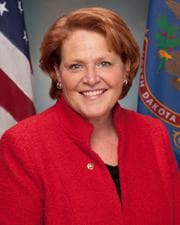
Heidi Heitkamp
Democratic Senator
North Dakota
Cosponsors (1)
Health, Education, Labor, and Pensions Committee
- Introduced
- In Committee
- On Floor
- Passed Chamber
- Enacted
Rural Maternal and Obstetric Modernization of Services Act or the Rural MOMS Act This bill expands initiatives to address maternal health in rural areas. The bill provides funding for the Health Resources and Services Administration (HRSA) to establish rural obstetric networks for improving outcomes in birth and maternal morbidity. Specifically, these networks must (1) connect individuals with care providers, (2) identify successful maternal-care models, (3) facilitate collaboration among rural providers, (4) provide training and guidance, and (5) collaborate with academic institutions that have regional expertise. HRSA also must award five-year demonstration program grants to (1) train physicians, medical residents, and other practitioners to provide maternal and obstetric services in rural communities; and (2) support academic programs that develop or provide training to improve maternal care in rural areas. Further, the bill adds maternal-health services as part of the telehealth network and telehealth resource-centers grant programs. The bill also makes a series of changes to the research and reporting requirements of the Department of Health and Human Services and the Government Accountability Office with respect to data on maternal-health outcomes.
View Full TextSuggested Questions
Get AI-generated questions to help you understand this bill better
Timeline
Introduced in Senate
Read twice and referred to the Committee on Health, Education, Labor, and Pensions.
Health
A bill to amend the Social Security Act and Public Health Service Act to improve obstetric care in rural areas.
USA115th CongressS-3568| Senate
| Updated: 10/10/2018
Rural Maternal and Obstetric Modernization of Services Act or the Rural MOMS Act This bill expands initiatives to address maternal health in rural areas. The bill provides funding for the Health Resources and Services Administration (HRSA) to establish rural obstetric networks for improving outcomes in birth and maternal morbidity. Specifically, these networks must (1) connect individuals with care providers, (2) identify successful maternal-care models, (3) facilitate collaboration among rural providers, (4) provide training and guidance, and (5) collaborate with academic institutions that have regional expertise. HRSA also must award five-year demonstration program grants to (1) train physicians, medical residents, and other practitioners to provide maternal and obstetric services in rural communities; and (2) support academic programs that develop or provide training to improve maternal care in rural areas. Further, the bill adds maternal-health services as part of the telehealth network and telehealth resource-centers grant programs. The bill also makes a series of changes to the research and reporting requirements of the Department of Health and Human Services and the Government Accountability Office with respect to data on maternal-health outcomes.
View Full TextSuggested Questions
Get AI-generated questions to help you understand this bill better
Timeline
Introduced in Senate
Read twice and referred to the Committee on Health, Education, Labor, and Pensions.
Heidi Heitkamp
Democratic Senator
North Dakota
Cosponsors (1)
Health, Education, Labor, and Pensions Committee
Health
- Introduced
- In Committee
- On Floor
- Passed Chamber
- Enacted