A bill to require the Comptroller General of the United States to carry out a study on how virtual currencies and online marketplaces are used to buy, sell, or facilitate the financing of goods or services associated with sex trafficking or drug trafficking, and for other purposes.
USA115th CongressS-3179| Senate
| Updated: 10/11/2018
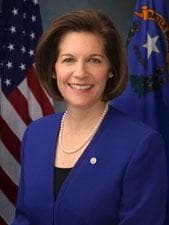
Catherine Cortez Masto
Democratic Senator
Nevada
Cosponsors (1)
Banking, Housing, and Urban Affairs Committee
- Introduced
- In Committee
- On Floor
- Passed Chamber
- Enacted
Fight Illicit Networks and Detect Trafficking Act or the FIND Trafficking Act This bill directs the Government Accountability Office (GAO) to report on the use of virtual currencies and online marketplaces in sex and drug trafficking. The GAO must study topics including: how illicit proceeds are transferred into the U.S. banking system, state and non-state actors that benefit from or participate in such activity, preventative efforts from federal and state agencies, and how to use the unique characteristics of virtual currencies to track illicit activity.
View Full TextSuggested Questions
Get AI-generated questions to help you understand this bill better
Timeline
Introduced in Senate
Read twice and referred to the Committee on Banking, Housing, and Urban Affairs.
Committee on Banking, Housing, and Urban Affairs. Hearings held. Hearings printed: S.Hrg. 115-453.
Finance and Financial Sector
Congressional oversightCrime preventionCrimes against childrenCurrencyDigital mediaDrug trafficking and controlled substancesFraud offenses and financial crimesGovernment studies and investigationsHuman traffickingInternet and video servicesInternet, web applications, social mediaSex offenses
A bill to require the Comptroller General of the United States to carry out a study on how virtual currencies and online marketplaces are used to buy, sell, or facilitate the financing of goods or services associated with sex trafficking or drug trafficking, and for other purposes.
USA115th CongressS-3179| Senate
| Updated: 10/11/2018
Fight Illicit Networks and Detect Trafficking Act or the FIND Trafficking Act This bill directs the Government Accountability Office (GAO) to report on the use of virtual currencies and online marketplaces in sex and drug trafficking. The GAO must study topics including: how illicit proceeds are transferred into the U.S. banking system, state and non-state actors that benefit from or participate in such activity, preventative efforts from federal and state agencies, and how to use the unique characteristics of virtual currencies to track illicit activity.
View Full TextSuggested Questions
Get AI-generated questions to help you understand this bill better
Timeline
Introduced in Senate
Read twice and referred to the Committee on Banking, Housing, and Urban Affairs.
Committee on Banking, Housing, and Urban Affairs. Hearings held. Hearings printed: S.Hrg. 115-453.
Catherine Cortez Masto
Democratic Senator
Nevada
Cosponsors (1)
Banking, Housing, and Urban Affairs Committee
Finance and Financial Sector
Related Bills
- Introduced
- In Committee
- On Floor
- Passed Chamber
- Enacted
Congressional oversightCrime preventionCrimes against childrenCurrencyDigital mediaDrug trafficking and controlled substancesFraud offenses and financial crimesGovernment studies and investigationsHuman traffickingInternet and video servicesInternet, web applications, social mediaSex offenses