A bill to deter, prevent, reduce, and respond to harassment in the workplace, including sexual harassment, sexual assault, and harassment based on protected categories.
USA115th CongressS-2994| Senate
| Updated: 6/5/2018
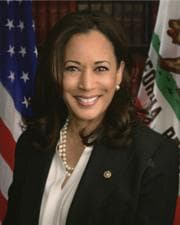
Kamala D. Harris
Democratic Senator
California
Cosponsors (1)
Health, Education, Labor, and Pensions Committee
- Introduced
- In Committee
- On Floor
- Passed Chamber
- Enacted
Ending the Monopoly of Power Over Workplace Harassment through Education and Reporting Act-Part I or the EMPOWER Act-Part I This bill makes it an unlawful practice for an employer to: (1) enter into a contract with an employee or applicant, as a condition of employment or employment status, if that contract contains a nondisparagement or nondisclosure clause that covers workplace harassment; and (2) enforce, or attempt to enforce, such a clause. This prohibition does not apply to a clause contained in a settlement agreement or separation agreement that resolves legal claims or disputes under specified conditions. Notwithstanding signing any nondisparagement or nondisclosure clause, an employee or applicant retains any right that person would otherwise have had to report a concern about workplace harassment to the Equal Employment Opportunity Commission (EEOC) and other specified agencies and any right that person would otherwise have had to bring an action in a court of the United States. The EEOC shall: (1) establish a confidential tip-line that supplements its existing process for submitting a charge of discrimination; and (2) provide for the development and dissemination of workplace training programs and information regarding workplace harassment, including sexual harassment.
View Full TextSuggested Questions
Get AI-generated questions to help you understand this bill better
Timeline
Introduced in Senate
Read twice and referred to the Committee on Health, Education, Labor, and Pensions.
Labor and Employment
Administrative law and regulatory proceduresAdministrative remediesAssault and harassment offensesCivil actions and liabilityCongressional officers and employeesContracts and agencyCorporate finance and managementCrime victimsEmployment and training programsEmployment discrimination and employee rightsEqual Employment Opportunity Commission (EEOC)Government employee pay, benefits, personnel managementGovernment information and archivesGovernment liabilityGovernment studies and investigationsLabor-management relationsLibrary of CongressMarketing and advertisingMerit Systems Protection BoardSecurities and Exchange Commission (SEC)Sex, gender, sexual orientation discriminationSex offensesState and local government operations
A bill to deter, prevent, reduce, and respond to harassment in the workplace, including sexual harassment, sexual assault, and harassment based on protected categories.
USA115th CongressS-2994| Senate
| Updated: 6/5/2018
Ending the Monopoly of Power Over Workplace Harassment through Education and Reporting Act-Part I or the EMPOWER Act-Part I This bill makes it an unlawful practice for an employer to: (1) enter into a contract with an employee or applicant, as a condition of employment or employment status, if that contract contains a nondisparagement or nondisclosure clause that covers workplace harassment; and (2) enforce, or attempt to enforce, such a clause. This prohibition does not apply to a clause contained in a settlement agreement or separation agreement that resolves legal claims or disputes under specified conditions. Notwithstanding signing any nondisparagement or nondisclosure clause, an employee or applicant retains any right that person would otherwise have had to report a concern about workplace harassment to the Equal Employment Opportunity Commission (EEOC) and other specified agencies and any right that person would otherwise have had to bring an action in a court of the United States. The EEOC shall: (1) establish a confidential tip-line that supplements its existing process for submitting a charge of discrimination; and (2) provide for the development and dissemination of workplace training programs and information regarding workplace harassment, including sexual harassment.
View Full TextSuggested Questions
Get AI-generated questions to help you understand this bill better
Timeline
Introduced in Senate
Read twice and referred to the Committee on Health, Education, Labor, and Pensions.
Kamala D. Harris
Democratic Senator
California
Cosponsors (1)
Health, Education, Labor, and Pensions Committee
Labor and Employment
- Introduced
- In Committee
- On Floor
- Passed Chamber
- Enacted
Administrative law and regulatory proceduresAdministrative remediesAssault and harassment offensesCivil actions and liabilityCongressional officers and employeesContracts and agencyCorporate finance and managementCrime victimsEmployment and training programsEmployment discrimination and employee rightsEqual Employment Opportunity Commission (EEOC)Government employee pay, benefits, personnel managementGovernment information and archivesGovernment liabilityGovernment studies and investigationsLabor-management relationsLibrary of CongressMarketing and advertisingMerit Systems Protection BoardSecurities and Exchange Commission (SEC)Sex, gender, sexual orientation discriminationSex offensesState and local government operations