A bill to rescind certain budget authority proposed to be rescinded in special messages transmitted to the Congress by the President on May 8, 2018, in accordance with title X of the Congressional Budget and Impoundment Control Act 1974.
USA115th CongressS-2979| Senate
| Updated: 5/24/2018
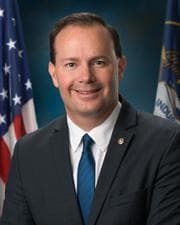
Mike Lee
Republican Senator
Utah
Cosponsors (11)
Budget Committee, Appropriations Committee
- Introduced
- In Committee
- On Floor
- Passed Chamber
- Enacted
Spending Cuts to Expired and Unnecessary Programs Act This bill rescinds approximately $15 billion in budget authority over 2018-2028 that was proposed to be rescinded by the President under procedures included in the Impoundment Control Act of 1974. (A rescission is legislation enacted by Congress that cancels the availability of previously enacted budget authority before the authority would otherwise expire. Under current law, the President may propose rescissions to Congress, which must be enacted into law to take effect. Congress may rescind all, part, or none of the amounts proposed by the President. If Congress does not pass rescission legislation within 45 days of continuous session of Congress, the President must make the funds available.) The bill rescinds budget authority from specified programs and accounts within: the Department of Agriculture, the Department of Commerce, the Department of Energy, the Department of Health and Human Services, the Department of Housing and Urban Development, the Department of Justice, the Department of Labor, the Department of State, the Millennium Challenge Corporation, the U.S. Agency for International Development. the Department of Transportation, the Department of the Treasury, the Corporation for National and Community Service, and the Railroad Retirement Board.
View Full TextSuggested Questions
Get AI-generated questions to help you understand this bill better
Timeline
Introduced in Senate
Read twice and referred concurrently to the Committees on Appropriations; the Budget pursuant to the order of January 30, 1975, as modified by the order of April 11, 1986, with instructions that the Budget Committee be authorized to report its views to the Appropriations Committee, and that the latter alone be authorized to report the bill.
Economics and Public Finance
Advanced technology and technological innovationsAgricultural conservation and pollutionAlternative and renewable resourcesAppropriationsChild healthDepartment of AgricultureDepartment of CommerceDepartment of Housing and Urban DevelopmentDepartment of JusticeDepartment of StateDepartment of the TreasuryDepartment of TransportationDisaster relief and insuranceEconomic developmentEnergy efficiency and conservationEnvironmental Protection Agency (EPA)Environmental regulatory proceduresExecutive agency funding and structureFarmlandFloods and storm protectionForeign aid and international reliefForests, forestry, treesGovernment lending and loan guaranteesGovernment trust fundsHealth care costs and insuranceHealth care coverage and accessHealth programs administration and fundingHousing and community development fundingHousing supply and affordabilityIndian social and development programsLand transfersLand use and conservationNational and community servicePublic housingPublic transitPublic utilities and utility ratesRailroadsRoads and highwaysRural conditions and developmentSolid waste and recyclingTransportation programs fundingUnemploymentWater qualityWater resources fundingWatershedsWater use and supplyWetlandsWildlife conservation and habitat protection
A bill to rescind certain budget authority proposed to be rescinded in special messages transmitted to the Congress by the President on May 8, 2018, in accordance with title X of the Congressional Budget and Impoundment Control Act 1974.
USA115th CongressS-2979| Senate
| Updated: 5/24/2018
Spending Cuts to Expired and Unnecessary Programs Act This bill rescinds approximately $15 billion in budget authority over 2018-2028 that was proposed to be rescinded by the President under procedures included in the Impoundment Control Act of 1974. (A rescission is legislation enacted by Congress that cancels the availability of previously enacted budget authority before the authority would otherwise expire. Under current law, the President may propose rescissions to Congress, which must be enacted into law to take effect. Congress may rescind all, part, or none of the amounts proposed by the President. If Congress does not pass rescission legislation within 45 days of continuous session of Congress, the President must make the funds available.) The bill rescinds budget authority from specified programs and accounts within: the Department of Agriculture, the Department of Commerce, the Department of Energy, the Department of Health and Human Services, the Department of Housing and Urban Development, the Department of Justice, the Department of Labor, the Department of State, the Millennium Challenge Corporation, the U.S. Agency for International Development. the Department of Transportation, the Department of the Treasury, the Corporation for National and Community Service, and the Railroad Retirement Board.
View Full TextSuggested Questions
Get AI-generated questions to help you understand this bill better
Timeline
Introduced in Senate
Read twice and referred concurrently to the Committees on Appropriations; the Budget pursuant to the order of January 30, 1975, as modified by the order of April 11, 1986, with instructions that the Budget Committee be authorized to report its views to the Appropriations Committee, and that the latter alone be authorized to report the bill.
Mike Lee
Republican Senator
Utah
Cosponsors (11)
Budget Committee, Appropriations Committee
Economics and Public Finance
- Introduced
- In Committee
- On Floor
- Passed Chamber
- Enacted
Advanced technology and technological innovationsAgricultural conservation and pollutionAlternative and renewable resourcesAppropriationsChild healthDepartment of AgricultureDepartment of CommerceDepartment of Housing and Urban DevelopmentDepartment of JusticeDepartment of StateDepartment of the TreasuryDepartment of TransportationDisaster relief and insuranceEconomic developmentEnergy efficiency and conservationEnvironmental Protection Agency (EPA)Environmental regulatory proceduresExecutive agency funding and structureFarmlandFloods and storm protectionForeign aid and international reliefForests, forestry, treesGovernment lending and loan guaranteesGovernment trust fundsHealth care costs and insuranceHealth care coverage and accessHealth programs administration and fundingHousing and community development fundingHousing supply and affordabilityIndian social and development programsLand transfersLand use and conservationNational and community servicePublic housingPublic transitPublic utilities and utility ratesRailroadsRoads and highwaysRural conditions and developmentSolid waste and recyclingTransportation programs fundingUnemploymentWater qualityWater resources fundingWatershedsWater use and supplyWetlandsWildlife conservation and habitat protection