A bill to amend the Internal Revenue Code of 1986 to ensure that workers and communities that are responsible for record corporate profits benefit from the wealth that those workers and communities help to create, and for other purposes.
USA115th CongressS-2505| Senate
| Updated: 3/6/2018
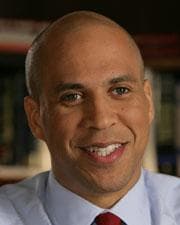
Cory A. Booker
Democratic Senator
New Jersey
Cosponsors (1)
Finance Committee
- Introduced
- In Committee
- On Floor
- Passed Chamber
- Enacted
Worker Dividend Act of 2018 This bill amends the Internal Revenue Code to impose a tax on certain publicly traded companies that have at least $250 million in U.S. earnings for the year, buy back securities during the year, and fail to pay employees a worker dividend. An employer covered by the bill must pay to U.S. employees a worker dividend that totals at least the lesser of: (1) the amount paid by the employer to repurchase securities of the employer on the open market during the taxable year; or (2) 50% of the amount by which the employer's U.S. earnings before interest, taxes, depreciation, and amortization exceed $250 million. Employers who fail to pay a required worker dividend are subject to a tax that is equal to the required dividend. The bill also specifies that the dividend must be distributed equally to employees and be paid in addition to compensation that the employer would ordinarily pay to employees.
View Full TextSuggested Questions
Get AI-generated questions to help you understand this bill better
Timeline
Introduced in Senate
Read twice and referred to the Committee on Finance.
Taxation
A bill to amend the Internal Revenue Code of 1986 to ensure that workers and communities that are responsible for record corporate profits benefit from the wealth that those workers and communities help to create, and for other purposes.
USA115th CongressS-2505| Senate
| Updated: 3/6/2018
Worker Dividend Act of 2018 This bill amends the Internal Revenue Code to impose a tax on certain publicly traded companies that have at least $250 million in U.S. earnings for the year, buy back securities during the year, and fail to pay employees a worker dividend. An employer covered by the bill must pay to U.S. employees a worker dividend that totals at least the lesser of: (1) the amount paid by the employer to repurchase securities of the employer on the open market during the taxable year; or (2) 50% of the amount by which the employer's U.S. earnings before interest, taxes, depreciation, and amortization exceed $250 million. Employers who fail to pay a required worker dividend are subject to a tax that is equal to the required dividend. The bill also specifies that the dividend must be distributed equally to employees and be paid in addition to compensation that the employer would ordinarily pay to employees.
View Full TextSuggested Questions
Get AI-generated questions to help you understand this bill better
Timeline
Introduced in Senate
Read twice and referred to the Committee on Finance.
Cory A. Booker
Democratic Senator
New Jersey
Cosponsors (1)
Finance Committee
Taxation
- Introduced
- In Committee
- On Floor
- Passed Chamber
- Enacted