A bill to amend the National Labor Relations Act to strengthen protections for employees wishing to advocate for improved wages, hours, or other terms or conditions of employment, to expand coverage under such Act, to provide a process for achieving initial collective bargaining agreements, and to provide for stronger remedies for interference with these rights, and for other purposes.
USA115th CongressS-2143| Senate
| Updated: 11/16/2017
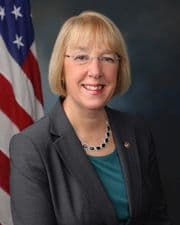
Patty Murray
Democratic Senator
Washington
Cosponsors (31)
Mazie K. Hirono (Democratic)Tammy Duckworth (Democratic)Tom Udall (Democratic)Dianne Feinstein (Democratic)Catherine Cortez Masto (Democratic)Richard J. Durbin (Democratic)Edward J. Markey (Democratic)Jack Reed (Democratic)Kirsten E. Gillibrand (Democratic)Elizabeth Warren (Democratic)Christopher A. Coons (Democratic)Kamala D. Harris (Democratic)Thomas R. Carper (Democratic)Robert P. Casey (Democratic)Tim Kaine (Democratic)Sheldon Whitehouse (Democratic)Chris Van Hollen (Democratic)Christopher Murphy (Democratic)Debbie Stabenow (Democratic)Martin Heinrich (Democratic)Sherrod Brown (Democratic)Bernard Sanders (Independent)Al Franken (Democratic)Maria Cantwell (Democratic)Tammy Baldwin (Democratic)Cory A. Booker (Democratic)Benjamin L. Cardin (Democratic)Robert Menendez (Democratic)Jeff Merkley (Democratic)Gary C. Peters (Democratic)Richard Blumenthal (Democratic)
Health, Education, Labor, and Pensions Committee
- Introduced
- In Committee
- On Floor
- Passed Chamber
- Enacted
Workplace Action for a Growing Economy Act or the WAGE Act This bill amends the National Labor Relations Act (NLRA) to require the National Labor Relations Board (NLRB) to award back pay and additional damages to any employee whose rights under the NLRA have been violated by an employer; impose penalties upon an employer for failing to post a notice of the rights of their employees under the NLRA; impose penalties upon an employer whose violations of the NLRA result in the discharge of an employee or other serious economic harm to the employee; provide civil remedies, including restraining orders, and a private right of action for violations of the NLRA; require the NLRB to issue an order requiring collective bargaining when a majority of valid ballots have been cast in favor of union representation; prevent the classification of employees as supervisors for the purpose of denying such employees the protections of the NLRA; and expedite the establishment of initial collection bargaining agreements. The bill empowers the NLRB to enforce its own orders without petitioning a court for enforcement.
View Full TextSuggested Questions
Get AI-generated questions to help you understand this bill better
Timeline
Introduced in Senate
Read twice and referred to the Committee on Health, Education, Labor, and Pensions.
Labor and Employment
Administrative law and regulatory proceduresAdministrative remediesAlternative dispute resolution, mediation, arbitrationCivil actions and liabilityEmployment discrimination and employee rightsEvidence and witnessesLabor-management relationsNational Labor Relations Board (NLRB)Wages and earnings
A bill to amend the National Labor Relations Act to strengthen protections for employees wishing to advocate for improved wages, hours, or other terms or conditions of employment, to expand coverage under such Act, to provide a process for achieving initial collective bargaining agreements, and to provide for stronger remedies for interference with these rights, and for other purposes.
USA115th CongressS-2143| Senate
| Updated: 11/16/2017
Workplace Action for a Growing Economy Act or the WAGE Act This bill amends the National Labor Relations Act (NLRA) to require the National Labor Relations Board (NLRB) to award back pay and additional damages to any employee whose rights under the NLRA have been violated by an employer; impose penalties upon an employer for failing to post a notice of the rights of their employees under the NLRA; impose penalties upon an employer whose violations of the NLRA result in the discharge of an employee or other serious economic harm to the employee; provide civil remedies, including restraining orders, and a private right of action for violations of the NLRA; require the NLRB to issue an order requiring collective bargaining when a majority of valid ballots have been cast in favor of union representation; prevent the classification of employees as supervisors for the purpose of denying such employees the protections of the NLRA; and expedite the establishment of initial collection bargaining agreements. The bill empowers the NLRB to enforce its own orders without petitioning a court for enforcement.
View Full TextSuggested Questions
Get AI-generated questions to help you understand this bill better
Timeline
Introduced in Senate
Read twice and referred to the Committee on Health, Education, Labor, and Pensions.
Patty Murray
Democratic Senator
Washington
Cosponsors (31)
Mazie K. Hirono (Democratic)Tammy Duckworth (Democratic)Tom Udall (Democratic)Dianne Feinstein (Democratic)Catherine Cortez Masto (Democratic)Richard J. Durbin (Democratic)Edward J. Markey (Democratic)Jack Reed (Democratic)Kirsten E. Gillibrand (Democratic)Elizabeth Warren (Democratic)Christopher A. Coons (Democratic)Kamala D. Harris (Democratic)Thomas R. Carper (Democratic)Robert P. Casey (Democratic)Tim Kaine (Democratic)Sheldon Whitehouse (Democratic)Chris Van Hollen (Democratic)Christopher Murphy (Democratic)Debbie Stabenow (Democratic)Martin Heinrich (Democratic)Sherrod Brown (Democratic)Bernard Sanders (Independent)Al Franken (Democratic)Maria Cantwell (Democratic)Tammy Baldwin (Democratic)Cory A. Booker (Democratic)Benjamin L. Cardin (Democratic)Robert Menendez (Democratic)Jeff Merkley (Democratic)Gary C. Peters (Democratic)Richard Blumenthal (Democratic)
Health, Education, Labor, and Pensions Committee
Labor and Employment
Related Bills
- HR 115-4548: To amend the National Labor Relations Act to strengthen protections for employees to exercise their rights to organize and collectively bargain for improved wages, hours, or other terms and conditions of employment, to sanction violations of such rights and assure meaningful remedies, to establish a process by which employers and employees conclude initial collective bargaining agreements, and for other purposes.
- HR 115-6080: To amend the National Labor Relations Act, the Labor Management Relations Act, 1947, the Labor-Management Reporting and Disclosure Act, 1959, and for other purposes.
- S 115-3064: A bill to amend the National Labor Relations Act, the Labor Management Relations Act, 1947, and the Labor-Management Reporting and Disclosure Act, 1959, and for other purposes.
- Introduced
- In Committee
- On Floor
- Passed Chamber
- Enacted
Administrative law and regulatory proceduresAdministrative remediesAlternative dispute resolution, mediation, arbitrationCivil actions and liabilityEmployment discrimination and employee rightsEvidence and witnessesLabor-management relationsNational Labor Relations Board (NLRB)Wages and earnings