A bill to amend the Internal Revenue Code of 1986 to create a tax credit for foster families.
USA115th CongressS-2024| Senate
| Updated: 10/26/2017
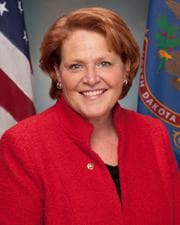
Heidi Heitkamp
Democratic Senator
North Dakota
Cosponsors (1)
Finance Committee
- Introduced
- In Committee
- On Floor
- Passed Chamber
- Enacted
Foster Care Tax Credit Act This bill amends the Internal Revenue Code to allow a partially refundable tax credit for each qualifying foster child who resides in the home of an eligible taxpayer for at least one calendar month during the taxable year. A "qualifying foster child" is a child in foster care who: (1) has not attained age 17; (2) is a citizen, national, or resident of the United States; and (3) with respect to whom the child tax credit is not allowable. In order to claim the credit, the name and taxpayer identification number of a foster child must be included on the taxpayer's tax return. No credit is allowed if the identification number of either the taxpayer or the qualifying child was issued after the due date for filing the return for the taxable year. The bill denies the tax credit to certain taxpayers who have made prior fraudulent or reckless claims for the credit within specified disallowance periods. The Department of Health and Human Services must identify provisions in the Internal Revenue Code that can benefit foster families and increase outreach efforts to inform state and Indian tribal foster care agencies and foster families about such provisions.
View Full TextSuggested Questions
Get AI-generated questions to help you understand this bill better
Timeline
Introduced in Senate
Read twice and referred to the Committee on Finance.
Taxation
A bill to amend the Internal Revenue Code of 1986 to create a tax credit for foster families.
USA115th CongressS-2024| Senate
| Updated: 10/26/2017
Foster Care Tax Credit Act This bill amends the Internal Revenue Code to allow a partially refundable tax credit for each qualifying foster child who resides in the home of an eligible taxpayer for at least one calendar month during the taxable year. A "qualifying foster child" is a child in foster care who: (1) has not attained age 17; (2) is a citizen, national, or resident of the United States; and (3) with respect to whom the child tax credit is not allowable. In order to claim the credit, the name and taxpayer identification number of a foster child must be included on the taxpayer's tax return. No credit is allowed if the identification number of either the taxpayer or the qualifying child was issued after the due date for filing the return for the taxable year. The bill denies the tax credit to certain taxpayers who have made prior fraudulent or reckless claims for the credit within specified disallowance periods. The Department of Health and Human Services must identify provisions in the Internal Revenue Code that can benefit foster families and increase outreach efforts to inform state and Indian tribal foster care agencies and foster families about such provisions.
View Full TextSuggested Questions
Get AI-generated questions to help you understand this bill better
Timeline
Introduced in Senate
Read twice and referred to the Committee on Finance.
Heidi Heitkamp
Democratic Senator
North Dakota
Cosponsors (1)
Finance Committee
Taxation
- Introduced
- In Committee
- On Floor
- Passed Chamber
- Enacted