A bill to authorize payment by the Department of Veterans Affairs for the costs associated with training and supervision of medical residents and interns at certain facilities that are not Department facilities, to require the Secretary of Veterans Affairs to carry out a pilot program to establish or affiliate with residency programs at facilities operated by Indian tribes, tribal organizations, and the Indian Health Service, and for other purposes.
USA115th CongressS-1449| Senate
| Updated: 6/27/2017
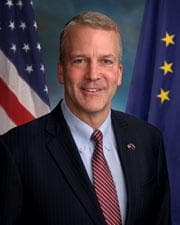
Dan Sullivan
Republican Senator
Alaska
Cosponsors (1)
Veterans' Affairs Committee
- Introduced
- In Committee
- On Floor
- Passed Chamber
- Enacted
Serving our Rural Veterans Act of 2017 This bill authorizes the Department of Veterans Affairs (VA) to pay for the training and employment of Veterans Health Administration medical residents and interns at a covered facility, which includes: (1) a VA facility; (2) a facility operated by an Indian tribe, a tribal organization, or the Indian Health Service; (3) a federally-qualified health center; or (4) a community health center. (Currently, such payments are authorized only for VA facilities.) The VA shall carry out an eight-year pilot program to establish or affiliate with graduate medical education residency training programs at not more than four facilities. The VA shall reimburse each participating facility for the costs of: curriculum development; recruitment, training, supervision, and retention of residents and faculty; accreditation of education programs; faculty salaries attributable to program activities; and other expenses relating to providing medical education under the program. A program participant: (1) shall agree to one year of obligated service at a covered or a VA facility for each year of partipation in the program, (2) who fails to satisfy the obligated service period shall be liable to the United States for a prorated portion of the amount paid for program participation, and (3) during the period of obligated service, shall be eligible for participation in the Indian Health Service Loan Repayment Program and the VA Education Debt Reduction Program. A covered facility for pilot program purposes means a facility: (1) operated by an Indian tribe, a tribal organization, or the Indian Health Service that has an existing reimbursement agreement with the VA; and (2) located in a rural or remote area.
View Full TextSuggested Questions
Get AI-generated questions to help you understand this bill better
Timeline
Introduced in Senate
Read twice and referred to the Committee on Veterans' Affairs.
Armed Forces and National Security
Congressional oversightDepartment of Veterans AffairsEducation programs fundingGovernment employee pay, benefits, personnel managementHealth care coverage and accessHealth facilities and institutionsHealth personnelHealth programs administration and fundingIndian social and development programsMedical educationMinority healthRural conditions and developmentStudent aid and college costsVeterans' medical care
A bill to authorize payment by the Department of Veterans Affairs for the costs associated with training and supervision of medical residents and interns at certain facilities that are not Department facilities, to require the Secretary of Veterans Affairs to carry out a pilot program to establish or affiliate with residency programs at facilities operated by Indian tribes, tribal organizations, and the Indian Health Service, and for other purposes.
USA115th CongressS-1449| Senate
| Updated: 6/27/2017
Serving our Rural Veterans Act of 2017 This bill authorizes the Department of Veterans Affairs (VA) to pay for the training and employment of Veterans Health Administration medical residents and interns at a covered facility, which includes: (1) a VA facility; (2) a facility operated by an Indian tribe, a tribal organization, or the Indian Health Service; (3) a federally-qualified health center; or (4) a community health center. (Currently, such payments are authorized only for VA facilities.) The VA shall carry out an eight-year pilot program to establish or affiliate with graduate medical education residency training programs at not more than four facilities. The VA shall reimburse each participating facility for the costs of: curriculum development; recruitment, training, supervision, and retention of residents and faculty; accreditation of education programs; faculty salaries attributable to program activities; and other expenses relating to providing medical education under the program. A program participant: (1) shall agree to one year of obligated service at a covered or a VA facility for each year of partipation in the program, (2) who fails to satisfy the obligated service period shall be liable to the United States for a prorated portion of the amount paid for program participation, and (3) during the period of obligated service, shall be eligible for participation in the Indian Health Service Loan Repayment Program and the VA Education Debt Reduction Program. A covered facility for pilot program purposes means a facility: (1) operated by an Indian tribe, a tribal organization, or the Indian Health Service that has an existing reimbursement agreement with the VA; and (2) located in a rural or remote area.
View Full TextSuggested Questions
Get AI-generated questions to help you understand this bill better
Timeline
Introduced in Senate
Read twice and referred to the Committee on Veterans' Affairs.
Dan Sullivan
Republican Senator
Alaska
Cosponsors (1)
Veterans' Affairs Committee
Armed Forces and National Security
Related Bills
- Introduced
- In Committee
- On Floor
- Passed Chamber
- Enacted
Congressional oversightDepartment of Veterans AffairsEducation programs fundingGovernment employee pay, benefits, personnel managementHealth care coverage and accessHealth facilities and institutionsHealth personnelHealth programs administration and fundingIndian social and development programsMedical educationMinority healthRural conditions and developmentStudent aid and college costsVeterans' medical care