A bill to impose sanctions on persons that threaten the peace or stability of Iraq or the Government of Iraq and to address the emergency in Syria, and for other purposes.
USA115th CongressS-138| Senate
| Updated: 1/12/2017
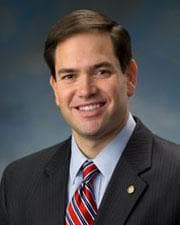
Marco Rubio
Republican Senator
Florida
Cosponsors (1)
Banking, Housing, and Urban Affairs Committee
- Introduced
- In Committee
- On Floor
- Passed Chamber
- Enacted
Preventing Destabilization of Iraq and Syria Act of 2017 This bill directs the President to impose U.S.-based property blocking and entry sanctions against any foreign person that: (1) is responsible for or complicit in actions that threaten the peace, security, or stability of Iraq or Syria, actions or policies that undermine economic reconstruction and political reform in Iraq, or the obstruction of the delivery or distribution of, or access to, humanitarian assistance to the people of Iraq or Syria; (2) has materially assisted or provided financial, material, or technological support for any such activity; or (3) is owned or controlled by, or has acted on behalf of, a foreign person that has carried out any such activity. The President shall: (1) determine whether any Iranian, Syrian, or Russian person, including specified individuals, has engaged in such activities; and (2) submit a report on Iranian activities in Iraq and Syria. It is the sense of Congress that: (1) the government of Syria is in violation of numerous U.N. Security Council Resolutions regarding the provision of humanitarian assistance to the people of Syria, and (2) the government of the Russian Federation is complicit in the Syrian humanitarian crisis. The President may furnish assistance: (1) to support humanitarian activities inside and outside of Syria, (2) promote humanitarian access to populations in need, and (3) for a peaceful resolution of the Syrian conflict. The President shall impose specified U.S.-based property blocking and entry sanctions against a foreign person that knowingly provides significant financial, material, or technological support: (1) to the government of Syria and the Central Bank of Syria, including Syria's intelligence and security services or its armed forces, including through money laundering or with respect to Syria's gas or petroleum production or civilian aircraft services; and (2) that materially contributes to Syria's ability to acquire or develop ballistic missiles, chemical, biological, or nuclear weapons, or destabilizing numbers and types of advanced conventional weapons. The Syria Human Rights Accountability Act of 2012 is amended to direct the President to impose U.S.-based property blocking and entry sanctions against persons responsible for or complicit in: (1) directing the commission of serious human rights abuses against citizens of Syria or their family members, regardless of whether such abuses occurred in Syria; or (2) transferring to Syria certain military items or goods or technologies that may be used to commit human rights abuses. The President shall: (1) submit an updated list of Syrian officials who are responsible for or complicit in the commission of serious human rights abuses against Syrian citizens, and (2) assess the potential effectiveness of a no-fly zone over Syria. The State Department may provide assistance to entities taking criminal and evidence gathering actions for prosection of individuals who have committed crimes against humanity or war crimes in Syria since March 2011. The President may suspend sanctions against Syria under specified conditions. The bill: (1) expresses the sense of Congress with respect to a transitional government in Syria, and (2) sets forth activities and transactions that are exempt from sanctions.
View Full TextSuggested Questions
Get AI-generated questions to help you understand this bill better
Timeline
Introduced in Senate
Read twice and referred to the Committee on Banking, Housing, and Urban Affairs.
International Affairs
Arms control and nonproliferationAviation and airportsBank accounts, deposits, capitalChemical and biological weaponsConflicts and warsCongressional oversightCriminal investigation, prosecution, interrogationDetention of personsDiplomacy, foreign officials, Americans abroadEducational facilities and institutionsEvidence and witnessesForeign aid and international reliefForeign and international bankingForeign propertyFraud offenses and financial crimesGovernment information and archivesHealth facilities and institutionsHuman rightsInternational law and treatiesInternational organizations and cooperationIranIraqMiddle EastMilitary assistance, sales, and agreementsPresidents and presidential powers, Vice PresidentsProtest and dissentReconstruction and stabilizationRussiaSanctionsSovereignty, recognition, national governance and statusSyriaTechnology transfer and commercializationTerrorismTrade restrictionsVisas and passportsWar crimes, genocide, crimes against humanityWater use and supply
A bill to impose sanctions on persons that threaten the peace or stability of Iraq or the Government of Iraq and to address the emergency in Syria, and for other purposes.
USA115th CongressS-138| Senate
| Updated: 1/12/2017
Preventing Destabilization of Iraq and Syria Act of 2017 This bill directs the President to impose U.S.-based property blocking and entry sanctions against any foreign person that: (1) is responsible for or complicit in actions that threaten the peace, security, or stability of Iraq or Syria, actions or policies that undermine economic reconstruction and political reform in Iraq, or the obstruction of the delivery or distribution of, or access to, humanitarian assistance to the people of Iraq or Syria; (2) has materially assisted or provided financial, material, or technological support for any such activity; or (3) is owned or controlled by, or has acted on behalf of, a foreign person that has carried out any such activity. The President shall: (1) determine whether any Iranian, Syrian, or Russian person, including specified individuals, has engaged in such activities; and (2) submit a report on Iranian activities in Iraq and Syria. It is the sense of Congress that: (1) the government of Syria is in violation of numerous U.N. Security Council Resolutions regarding the provision of humanitarian assistance to the people of Syria, and (2) the government of the Russian Federation is complicit in the Syrian humanitarian crisis. The President may furnish assistance: (1) to support humanitarian activities inside and outside of Syria, (2) promote humanitarian access to populations in need, and (3) for a peaceful resolution of the Syrian conflict. The President shall impose specified U.S.-based property blocking and entry sanctions against a foreign person that knowingly provides significant financial, material, or technological support: (1) to the government of Syria and the Central Bank of Syria, including Syria's intelligence and security services or its armed forces, including through money laundering or with respect to Syria's gas or petroleum production or civilian aircraft services; and (2) that materially contributes to Syria's ability to acquire or develop ballistic missiles, chemical, biological, or nuclear weapons, or destabilizing numbers and types of advanced conventional weapons. The Syria Human Rights Accountability Act of 2012 is amended to direct the President to impose U.S.-based property blocking and entry sanctions against persons responsible for or complicit in: (1) directing the commission of serious human rights abuses against citizens of Syria or their family members, regardless of whether such abuses occurred in Syria; or (2) transferring to Syria certain military items or goods or technologies that may be used to commit human rights abuses. The President shall: (1) submit an updated list of Syrian officials who are responsible for or complicit in the commission of serious human rights abuses against Syrian citizens, and (2) assess the potential effectiveness of a no-fly zone over Syria. The State Department may provide assistance to entities taking criminal and evidence gathering actions for prosection of individuals who have committed crimes against humanity or war crimes in Syria since March 2011. The President may suspend sanctions against Syria under specified conditions. The bill: (1) expresses the sense of Congress with respect to a transitional government in Syria, and (2) sets forth activities and transactions that are exempt from sanctions.
View Full TextSuggested Questions
Get AI-generated questions to help you understand this bill better
Timeline
Introduced in Senate
Read twice and referred to the Committee on Banking, Housing, and Urban Affairs.
Marco Rubio
Republican Senator
Florida
Cosponsors (1)
Banking, Housing, and Urban Affairs Committee
International Affairs
- Introduced
- In Committee
- On Floor
- Passed Chamber
- Enacted
Arms control and nonproliferationAviation and airportsBank accounts, deposits, capitalChemical and biological weaponsConflicts and warsCongressional oversightCriminal investigation, prosecution, interrogationDetention of personsDiplomacy, foreign officials, Americans abroadEducational facilities and institutionsEvidence and witnessesForeign aid and international reliefForeign and international bankingForeign propertyFraud offenses and financial crimesGovernment information and archivesHealth facilities and institutionsHuman rightsInternational law and treatiesInternational organizations and cooperationIranIraqMiddle EastMilitary assistance, sales, and agreementsPresidents and presidential powers, Vice PresidentsProtest and dissentReconstruction and stabilizationRussiaSanctionsSovereignty, recognition, national governance and statusSyriaTechnology transfer and commercializationTerrorismTrade restrictionsVisas and passportsWar crimes, genocide, crimes against humanityWater use and supply