A bill to ensure that all fast-tracked reconciliation bills are subject to a committee hearing, and for other purposes.
USA115th CongressS-1376| Senate
| Updated: 6/15/2017
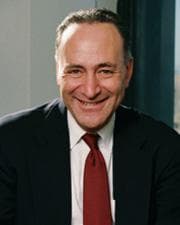
Charles E. Schumer
Democratic Senator
New York
Cosponsors (39)
Jeanne Shaheen (Democratic)Mazie K. Hirono (Democratic)Tammy Duckworth (Democratic)Margaret Wood Hassan (Democratic)Tom Udall (Democratic)Dianne Feinstein (Democratic)Catherine Cortez Masto (Democratic)Patrick J. Leahy (Democratic)Richard J. Durbin (Democratic)Edward J. Markey (Democratic)Jack Reed (Democratic)Elizabeth Warren (Democratic)Christopher A. Coons (Democratic)Kamala D. Harris (Democratic)Thomas R. Carper (Democratic)Angus S. King (Independent)Amy Klobuchar (Democratic)Robert P. Casey (Democratic)Tim Kaine (Democratic)Sheldon Whitehouse (Democratic)Chris Van Hollen (Democratic)Christopher Murphy (Democratic)Debbie Stabenow (Democratic)Bill Nelson (Democratic)Martin Heinrich (Democratic)Michael F. Bennet (Democratic)Patty Murray (Democratic)Sherrod Brown (Democratic)Bernard Sanders (Independent)Brian Schatz (Democratic)Al Franken (Democratic)Maria Cantwell (Democratic)Tammy Baldwin (Democratic)Cory A. Booker (Democratic)Benjamin L. Cardin (Democratic)Jeff Merkley (Democratic)Gary C. Peters (Democratic)Ron Wyden (Democratic)Richard Blumenthal (Democratic)
Budget Committee
- Introduced
- In Committee
- On Floor
- Passed Chamber
- Enacted
No Hearing, No Vote Act of 2017 This bill amends the Congressional Budget Act of 1974 to prohibit the Senate from considering any reconciliation bill or reconciliation resolution, unless: the legislation is either ordered reported to the Senate by the committee receiving reconciliation instructions or reported by the Senate Budget Committee after receiving recommendations from multiple committees receiving instructions, and each committee that ordered the legislation to be reported or ordered recommendations to be reported to the Senate Budget Committee held at least one hearing regarding any major provision of the legislation that is within the jurisdiction of the committee An affirmative vote of three-fifths of the Senators, duly chosen and sworn, is required to either: (1) waive or suspend the requirements of this bill, or (2) sustain an appeal of the ruling of the chair on a point of order raised, with respect to the requirements.
View Full TextSuggested Questions
Get AI-generated questions to help you understand this bill better
Timeline
Introduced in Senate
Read twice and referred to the Committee on the Budget.
Economics and Public Finance
Budget processLegislative rules and procedureSenate
A bill to ensure that all fast-tracked reconciliation bills are subject to a committee hearing, and for other purposes.
USA115th CongressS-1376| Senate
| Updated: 6/15/2017
No Hearing, No Vote Act of 2017 This bill amends the Congressional Budget Act of 1974 to prohibit the Senate from considering any reconciliation bill or reconciliation resolution, unless: the legislation is either ordered reported to the Senate by the committee receiving reconciliation instructions or reported by the Senate Budget Committee after receiving recommendations from multiple committees receiving instructions, and each committee that ordered the legislation to be reported or ordered recommendations to be reported to the Senate Budget Committee held at least one hearing regarding any major provision of the legislation that is within the jurisdiction of the committee An affirmative vote of three-fifths of the Senators, duly chosen and sworn, is required to either: (1) waive or suspend the requirements of this bill, or (2) sustain an appeal of the ruling of the chair on a point of order raised, with respect to the requirements.
View Full TextSuggested Questions
Get AI-generated questions to help you understand this bill better
Timeline
Introduced in Senate
Read twice and referred to the Committee on the Budget.
Charles E. Schumer
Democratic Senator
New York
Cosponsors (39)
Jeanne Shaheen (Democratic)Mazie K. Hirono (Democratic)Tammy Duckworth (Democratic)Margaret Wood Hassan (Democratic)Tom Udall (Democratic)Dianne Feinstein (Democratic)Catherine Cortez Masto (Democratic)Patrick J. Leahy (Democratic)Richard J. Durbin (Democratic)Edward J. Markey (Democratic)Jack Reed (Democratic)Elizabeth Warren (Democratic)Christopher A. Coons (Democratic)Kamala D. Harris (Democratic)Thomas R. Carper (Democratic)Angus S. King (Independent)Amy Klobuchar (Democratic)Robert P. Casey (Democratic)Tim Kaine (Democratic)Sheldon Whitehouse (Democratic)Chris Van Hollen (Democratic)Christopher Murphy (Democratic)Debbie Stabenow (Democratic)Bill Nelson (Democratic)Martin Heinrich (Democratic)Michael F. Bennet (Democratic)Patty Murray (Democratic)Sherrod Brown (Democratic)Bernard Sanders (Independent)Brian Schatz (Democratic)Al Franken (Democratic)Maria Cantwell (Democratic)Tammy Baldwin (Democratic)Cory A. Booker (Democratic)Benjamin L. Cardin (Democratic)Jeff Merkley (Democratic)Gary C. Peters (Democratic)Ron Wyden (Democratic)Richard Blumenthal (Democratic)
Budget Committee
Economics and Public Finance
- Introduced
- In Committee
- On Floor
- Passed Chamber
- Enacted
Budget processLegislative rules and procedureSenate