A bill to help keep law enforcement officers and communities safer by making grants to purchase body worn cameras for use by State, local, and tribal law enforcement officers.
USA115th CongressS-1280| Senate
| Updated: 5/25/2017
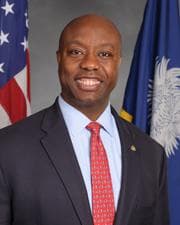
Tim Scott
Republican Senator
South Carolina
Cosponsors (1)
Judiciary Committee
- Introduced
- In Committee
- On Floor
- Passed Chamber
- Enacted
Safer Officers and Safer Citizens Act of 2017 This bill amends the Omnibus Crime Control and Safe Streets Act of 1968 to authorize the Department of Justice's Bureau of Justice Assistance to award matching grants to states, local governments, and Indian tribes to purchase body-worn cameras. The Bureau of Justice Assistance must give preference to grant applications from jurisdictions that: (1) have comprehensive policies and procedures related to implementation of a body-worn camera program, (2) have high percentages of officers without access to body-worn cameras, (3) have violent crime rates above the national average, and (4) agree to submit metrics on the use of body-worn cameras. As an offset, the bill allows the General Services Administration to identify and dispose of (i.e., sell or demolish) excess federal property.
View Full TextSuggested Questions
Get AI-generated questions to help you understand this bill better
Timeline
Introduced in Senate
Read twice and referred to the Committee on the Judiciary.
Crime and Law Enforcement
Government buildings, facilities, and propertyLaw enforcement administration and fundingLaw enforcement officersPhotography and imagingViolent crime
A bill to help keep law enforcement officers and communities safer by making grants to purchase body worn cameras for use by State, local, and tribal law enforcement officers.
USA115th CongressS-1280| Senate
| Updated: 5/25/2017
Safer Officers and Safer Citizens Act of 2017 This bill amends the Omnibus Crime Control and Safe Streets Act of 1968 to authorize the Department of Justice's Bureau of Justice Assistance to award matching grants to states, local governments, and Indian tribes to purchase body-worn cameras. The Bureau of Justice Assistance must give preference to grant applications from jurisdictions that: (1) have comprehensive policies and procedures related to implementation of a body-worn camera program, (2) have high percentages of officers without access to body-worn cameras, (3) have violent crime rates above the national average, and (4) agree to submit metrics on the use of body-worn cameras. As an offset, the bill allows the General Services Administration to identify and dispose of (i.e., sell or demolish) excess federal property.
View Full TextSuggested Questions
Get AI-generated questions to help you understand this bill better
Timeline
Introduced in Senate
Read twice and referred to the Committee on the Judiciary.
Tim Scott
Republican Senator
South Carolina
Cosponsors (1)
Judiciary Committee
Crime and Law Enforcement
- Introduced
- In Committee
- On Floor
- Passed Chamber
- Enacted
Government buildings, facilities, and propertyLaw enforcement administration and fundingLaw enforcement officersPhotography and imagingViolent crime