A bill to require the Administrator of the Federal Aviation Administration to evaluate and consider revising regulations relating to emergency medical equipment requirements for passenger aircraft.
USA115th CongressS-1167| Senate
| Updated: 5/17/2017
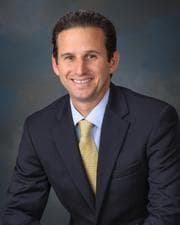
Brian Schatz
Democratic Senator
Hawaii
Cosponsors (1)
Commerce, Science, and Transportation Committee
- Introduced
- In Committee
- On Floor
- Passed Chamber
- Enacted
Airplane Kids In Transit Safety Act of 2017 or the Airplane KITS Act This bill directs the Federal Aviation Administration to: (1) consider whether federal regulations covering minimum contents of approved emergency medical kits, including first-aid kits, for passenger aircraft include appropriate medications and equipment to meet the emergency medical needs of children; and (2) revise regulations as appropriate.
View Full TextSuggested Questions
Get AI-generated questions to help you understand this bill better
Timeline
Introduced in Senate
Read twice and referred to the Committee on Commerce, Science, and Transportation.
Transportation and Public Works
Administrative law and regulatory proceduresAviation and airportsChild healthDepartment of TransportationEmergency medical services and trauma careHealth technology, devices, suppliesTransportation safety and security
A bill to require the Administrator of the Federal Aviation Administration to evaluate and consider revising regulations relating to emergency medical equipment requirements for passenger aircraft.
USA115th CongressS-1167| Senate
| Updated: 5/17/2017
Airplane Kids In Transit Safety Act of 2017 or the Airplane KITS Act This bill directs the Federal Aviation Administration to: (1) consider whether federal regulations covering minimum contents of approved emergency medical kits, including first-aid kits, for passenger aircraft include appropriate medications and equipment to meet the emergency medical needs of children; and (2) revise regulations as appropriate.
View Full TextSuggested Questions
Get AI-generated questions to help you understand this bill better
Timeline
Introduced in Senate
Read twice and referred to the Committee on Commerce, Science, and Transportation.
Brian Schatz
Democratic Senator
Hawaii
Cosponsors (1)
Commerce, Science, and Transportation Committee
Transportation and Public Works
Related Bills
- Introduced
- In Committee
- On Floor
- Passed Chamber
- Enacted
Administrative law and regulatory proceduresAviation and airportsChild healthDepartment of TransportationEmergency medical services and trauma careHealth technology, devices, suppliesTransportation safety and security