A bill to protect law enforcement officers, and for other purposes.
USA115th CongressS-1134| Senate
| Updated: 5/16/2017
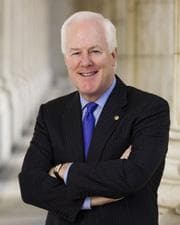
John Cornyn
Republican Senator
Texas
Cosponsors (15)
Dean Heller (Republican)Bill Cassidy (Republican)Dan Sullivan (Republican)Thomas Tillis (Republican)David Perdue (Republican)John Boozman (Republican)Roy Blunt (Republican)Luther Strange (Republican)Ted Cruz (Republican)Deb Fischer (Republican)John Barrasso (Republican)Marco Rubio (Republican)Rob Portman (Republican)Steve Daines (Republican)Shelley Moore Capito (Republican)
Judiciary Committee
- Introduced
- In Committee
- On Floor
- Passed Chamber
- Enacted
Back the Blue Act of 2017 This bill amends the federal criminal code: to establish new criminal offenses for killing, assaulting, and fleeing to avoid prosecution for killing a judge, law enforcement officer, or public safety officer; to expand the list of statutory aggravating factors in death penalty determinations to also include the killing or attempted killing of a law enforcement officer, judge, prosecutor, or firefighter or other first responder; and to broaden the authority of federal law enforcement officers to carry firearms. The bill amends the federal judicial code to limit federal court review of challenges to state court convictions for killing a public safety officer or judge. It amends the Revised Statutes of the United States to limit the recovery of compensatory damages and prohibit the recovery of attorney's fees by an individual for a violation of rights that occurs as a result of (or in the course of) conduct that constitutes a felony or crime of violence. Finally, it directs the Department of Justice to make grants to law enforcement agencies and nongovernmental organizations to promote trust and improve relations between law enforcement agencies and the communities they serve.
View Full TextSuggested Questions
Get AI-generated questions to help you understand this bill better
Timeline
Introduced in Senate
Read twice and referred to the Committee on the Judiciary. (text of measure as introduced: CR S2966-2968)
Latest Companion Bill Action
HR 115-2437Referred to the Subcommittee on Crime, Terrorism, Homeland Security, and Investigations.
Crime and Law Enforcement
Assault and harassment offensesCivil actions and liabilityCriminal investigation, prosecution, interrogationCriminal procedure and sentencingDetention of personsFirearms and explosivesFiresFirst responders and emergency personnelJudgesLaw enforcement administration and fundingLaw enforcement officersLegal fees and court costsViolent crimeWorker safety and health
A bill to protect law enforcement officers, and for other purposes.
USA115th CongressS-1134| Senate
| Updated: 5/16/2017
Back the Blue Act of 2017 This bill amends the federal criminal code: to establish new criminal offenses for killing, assaulting, and fleeing to avoid prosecution for killing a judge, law enforcement officer, or public safety officer; to expand the list of statutory aggravating factors in death penalty determinations to also include the killing or attempted killing of a law enforcement officer, judge, prosecutor, or firefighter or other first responder; and to broaden the authority of federal law enforcement officers to carry firearms. The bill amends the federal judicial code to limit federal court review of challenges to state court convictions for killing a public safety officer or judge. It amends the Revised Statutes of the United States to limit the recovery of compensatory damages and prohibit the recovery of attorney's fees by an individual for a violation of rights that occurs as a result of (or in the course of) conduct that constitutes a felony or crime of violence. Finally, it directs the Department of Justice to make grants to law enforcement agencies and nongovernmental organizations to promote trust and improve relations between law enforcement agencies and the communities they serve.
View Full TextSuggested Questions
Get AI-generated questions to help you understand this bill better
Timeline
Introduced in Senate
Read twice and referred to the Committee on the Judiciary. (text of measure as introduced: CR S2966-2968)
Latest Companion Bill Action
HR 115-2437Referred to the Subcommittee on Crime, Terrorism, Homeland Security, and Investigations.
John Cornyn
Republican Senator
Texas
Cosponsors (15)
Dean Heller (Republican)Bill Cassidy (Republican)Dan Sullivan (Republican)Thomas Tillis (Republican)David Perdue (Republican)John Boozman (Republican)Roy Blunt (Republican)Luther Strange (Republican)Ted Cruz (Republican)Deb Fischer (Republican)John Barrasso (Republican)Marco Rubio (Republican)Rob Portman (Republican)Steve Daines (Republican)Shelley Moore Capito (Republican)
Judiciary Committee
Crime and Law Enforcement
- Introduced
- In Committee
- On Floor
- Passed Chamber
- Enacted
Assault and harassment offensesCivil actions and liabilityCriminal investigation, prosecution, interrogationCriminal procedure and sentencingDetention of personsFirearms and explosivesFiresFirst responders and emergency personnelJudgesLaw enforcement administration and fundingLaw enforcement officersLegal fees and court costsViolent crimeWorker safety and health