To reduce opioid misuse and abuse.
USA115th CongressHR-993| House
| Updated: 2/10/2017
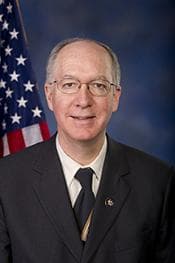
Bill Foster
Democratic Representative
Illinois
Cosponsors (4)
Health Subcommittee, Energy and Commerce Committee
- Introduced
- In Committee
- On Floor
- Passed Chamber
- Enacted
Opioid Abuse Prevention and Treatment Act of 2017 This bill requires the Department of Health and Human Services (HHS) to award grants to states to develop a peer review process to identify and investigate questionable or inappropriate prescribing and dispensing patterns of drugs classified as schedule II or III under the Controlled Substances Act, which are drugs with an accepted medical use that have the potential to be abused and addictive. This bill amends the Public Health Service Act to require HHS to establish grant programs to: (1) facilitate training to increase the capacity of health care providers to screen and treat patients to prevent drug abuse, and (2) develop continuing education criteria that allow health profession boards or state agencies to certify appropriate education for safe prescribing of schedule II or III drugs. The Health Resources and Services Administration must award grants to evaluate the prospect of state health professions boards expanding the authority of providers to prescribe drugs to treat drug abuse. The Drug Enforcement Administration must request that practitioners registered to dispense controlled substances screen patients for potential drug abuse before prescribing a schedule II or III drug. The Food and Drug Administration must consider whether naloxone (a prescription drug used to rapidly reverse an overdose of heroin or other opioids, which are drugs with effects similar to opium) should be available without a prescription. HHS must convene or coordinate with an interagency working group to encourage states and local governments to increase opportunities for disposal of opiates (drugs derived from opium) and to reduce opportunities for abuse of opiates. The Government Accountability Office must review federal opioid abuse activities and make recommendations to reduce opioid abuse and overdoses.
View Full TextSuggested Questions
Get AI-generated questions to help you understand this bill better
Timeline
Introduced in House
Referred to the House Committee on Energy and Commerce.
Referred to the Subcommittee on Health.
Health
Congressional oversightDrug, alcohol, tobacco useDrug safety, medical device, and laboratory regulationDrug trafficking and controlled substancesEducation programs fundingEmergency medical services and trauma careGovernment studies and investigationsHealth care coverage and accessHealth care qualityHealth information and medical recordsHealth personnelHealth programs administration and fundingHealth promotion and preventive careMedical educationMedical ethicsMedical tests and diagnostic methodsPrescription drugsSolid waste and recycling
To reduce opioid misuse and abuse.
USA115th CongressHR-993| House
| Updated: 2/10/2017
Opioid Abuse Prevention and Treatment Act of 2017 This bill requires the Department of Health and Human Services (HHS) to award grants to states to develop a peer review process to identify and investigate questionable or inappropriate prescribing and dispensing patterns of drugs classified as schedule II or III under the Controlled Substances Act, which are drugs with an accepted medical use that have the potential to be abused and addictive. This bill amends the Public Health Service Act to require HHS to establish grant programs to: (1) facilitate training to increase the capacity of health care providers to screen and treat patients to prevent drug abuse, and (2) develop continuing education criteria that allow health profession boards or state agencies to certify appropriate education for safe prescribing of schedule II or III drugs. The Health Resources and Services Administration must award grants to evaluate the prospect of state health professions boards expanding the authority of providers to prescribe drugs to treat drug abuse. The Drug Enforcement Administration must request that practitioners registered to dispense controlled substances screen patients for potential drug abuse before prescribing a schedule II or III drug. The Food and Drug Administration must consider whether naloxone (a prescription drug used to rapidly reverse an overdose of heroin or other opioids, which are drugs with effects similar to opium) should be available without a prescription. HHS must convene or coordinate with an interagency working group to encourage states and local governments to increase opportunities for disposal of opiates (drugs derived from opium) and to reduce opportunities for abuse of opiates. The Government Accountability Office must review federal opioid abuse activities and make recommendations to reduce opioid abuse and overdoses.
View Full TextSuggested Questions
Get AI-generated questions to help you understand this bill better
Timeline
Introduced in House
Referred to the House Committee on Energy and Commerce.
Referred to the Subcommittee on Health.
Bill Foster
Democratic Representative
Illinois
Cosponsors (4)
Health Subcommittee, Energy and Commerce Committee
Health
- Introduced
- In Committee
- On Floor
- Passed Chamber
- Enacted
Congressional oversightDrug, alcohol, tobacco useDrug safety, medical device, and laboratory regulationDrug trafficking and controlled substancesEducation programs fundingEmergency medical services and trauma careGovernment studies and investigationsHealth care coverage and accessHealth care qualityHealth information and medical recordsHealth personnelHealth programs administration and fundingHealth promotion and preventive careMedical educationMedical ethicsMedical tests and diagnostic methodsPrescription drugsSolid waste and recycling