To amend the Internal Revenue Code of 1986 to provide for the tax-exempt financing of certain government-owned buildings.
USA115th CongressHR-960| House
| Updated: 2/7/2017
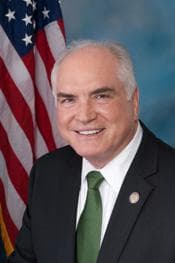
Mike Kelly
Republican Representative
Pennsylvania
Cosponsors (28)
Erik Paulsen (Republican)Lisa Blunt Rochester (Democratic)Lee M. Zeldin (Republican)Jackie Walorski (Republican)Lynn Jenkins (Republican)Thomas R. Suozzi (Democratic)John P. Sarbanes (Democratic)Carlos Curbelo (Republican)Lou Barletta (Republican)Scott Perry (Republican)James B. Renacci (Republican)Lloyd Smucker (Republican)Kenny Marchant (Republican)Patrick Meehan (Republican)Christopher H. Smith (Republican)John B. Larson (Democratic)Timothy J. Walz (Democratic)Richard Hudson (Republican)Jacky Rosen (Democratic)Will Hurd (Republican)Patrick J. Tiberi (Republican)Thomas J. Rooney (Republican)Jamie Raskin (Democratic)Ron Kind (Democratic)Earl Blumenauer (Democratic)Mike Thompson (Democratic)Susan W. Brooks (Republican)Ed Perlmutter (Democratic)
Ways and Means Committee
- Introduced
- In Committee
- On Floor
- Passed Chamber
- Enacted
This bill amends the Internal Revenue Code to permit the tax-exempt financing of certain government-owned buildings by expanding the definition of "exempt facility bond" to include bonds used for qualified government buildings. A qualified government building is a government-owned building or facility that consists of one or more of the following: an elementary or secondary school; facilities of a state college or university used for educational purposes; a public library; a court; hospital, health care, laboratory, or research facilities; public safety facilities; or offices for government employees. The bill excludes buildings or facilities that include specified recreational equipment or are used for the primary purpose of providing retail food and beverage services, recreation, or entertainment. The bill establishes: (1) a $5 billion limit on the amount of tax-exempt financing which may be provided for government buildings, and (2) procedures for allocating and applying for the financing. The bill exempts the bonds for government buildings from the volume cap on private activity bonds.
View Full TextSuggested Questions
Get AI-generated questions to help you understand this bill better
Timeline
Introduced in House
Referred to the House Committee on Ways and Means.
Taxation
Building constructionEducational facilities and institutionsElementary and secondary educationGovernment buildings, facilities, and propertyHealth facilities and institutionsHigher educationIncome tax exclusionLaw enforcement administration and fundingLibraries and archivesResearch administration and fundingSecurities
To amend the Internal Revenue Code of 1986 to provide for the tax-exempt financing of certain government-owned buildings.
USA115th CongressHR-960| House
| Updated: 2/7/2017
This bill amends the Internal Revenue Code to permit the tax-exempt financing of certain government-owned buildings by expanding the definition of "exempt facility bond" to include bonds used for qualified government buildings. A qualified government building is a government-owned building or facility that consists of one or more of the following: an elementary or secondary school; facilities of a state college or university used for educational purposes; a public library; a court; hospital, health care, laboratory, or research facilities; public safety facilities; or offices for government employees. The bill excludes buildings or facilities that include specified recreational equipment or are used for the primary purpose of providing retail food and beverage services, recreation, or entertainment. The bill establishes: (1) a $5 billion limit on the amount of tax-exempt financing which may be provided for government buildings, and (2) procedures for allocating and applying for the financing. The bill exempts the bonds for government buildings from the volume cap on private activity bonds.
View Full TextSuggested Questions
Get AI-generated questions to help you understand this bill better
Timeline
Introduced in House
Referred to the House Committee on Ways and Means.
Mike Kelly
Republican Representative
Pennsylvania
Cosponsors (28)
Erik Paulsen (Republican)Lisa Blunt Rochester (Democratic)Lee M. Zeldin (Republican)Jackie Walorski (Republican)Lynn Jenkins (Republican)Thomas R. Suozzi (Democratic)John P. Sarbanes (Democratic)Carlos Curbelo (Republican)Lou Barletta (Republican)Scott Perry (Republican)James B. Renacci (Republican)Lloyd Smucker (Republican)Kenny Marchant (Republican)Patrick Meehan (Republican)Christopher H. Smith (Republican)John B. Larson (Democratic)Timothy J. Walz (Democratic)Richard Hudson (Republican)Jacky Rosen (Democratic)Will Hurd (Republican)Patrick J. Tiberi (Republican)Thomas J. Rooney (Republican)Jamie Raskin (Democratic)Ron Kind (Democratic)Earl Blumenauer (Democratic)Mike Thompson (Democratic)Susan W. Brooks (Republican)Ed Perlmutter (Democratic)
Ways and Means Committee
Taxation
- Introduced
- In Committee
- On Floor
- Passed Chamber
- Enacted
Building constructionEducational facilities and institutionsElementary and secondary educationGovernment buildings, facilities, and propertyHealth facilities and institutionsHigher educationIncome tax exclusionLaw enforcement administration and fundingLibraries and archivesResearch administration and fundingSecurities