To prevent conflicts of interest that stem from executive Government employees receiving bonuses or other compensation arrangements from nongovernment sources, from the revolving door that raises concerns about the independence of financial services regulators, and from the revolving door that casts aspersions over the awarding of Government contracts and other financial benefits.
USA115th CongressHR-859| House
| Updated: 3/2/2017
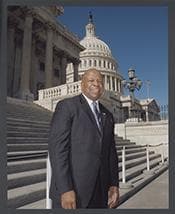
Elijah E. Cummings
Democratic Representative
Maryland
Cosponsors (1)
Crime and Federal Government Surveillance Subcommittee, Financial Services Committee, Judiciary Committee, Constitution and Limited Government Subcommittee, Oversight and Government Reform Committee
- Introduced
- In Committee
- On Floor
- Passed Chamber
- Enacted
Financial Services Conflict of Interest Act This bill amends the Ethics in Government Act of 1978 and other laws to: expand restrictions on federal government employees' acceptance of compensation from nongovernment sources, generally require certain financial-services regulators to recuse themselves from any official action that would provide a direct and substantial pecuniary benefit for a recent former employer or client, generally prohibit such a regulator from participating in matters that involve an individual or entity with whom the regulator is negotiating future employment, prohibit a federal government employee from participating in a procurement involving a contractor that had recently employed that employee, and expand restrictions on lobbying by certain former financial-services regulators.
View Full TextSuggested Questions
Get AI-generated questions to help you understand this bill better
Timeline
Introduced in House
Referred to the Committee on Oversight and Government Reform, and in addition to the Committees on the Judiciary, and Financial Services, for a period to be subsequently determined by the Speaker, in each case for consideration of such provisions as fall within the jurisdiction of the committee concerned.
Referred to the Subcommittee on the Constitution and Civil Justice.
Referred to the Subcommittee on Crime, Terrorism, Homeland Security, and Investigations.
Government Operations and Politics
Administrative law and regulatory proceduresBanking and financial institutions regulationCivil actions and liabilityCommodity Futures Trading CommissionConsumer Financial Protection BureauDepartment of the TreasuryEmployee benefits and pensionsEmployee hiringFederal Deposit Insurance Corporation (FDIC)Federal Housing Finance AgencyFederal officialsFederal Reserve SystemFinancial services and investmentsFraud offenses and financial crimesGovernment employee pay, benefits, personnel managementGovernment ethics and transparency, public corruptionNational Credit Union AdministrationOffice of Management and Budget (OMB)Personnel recordsPublic contracts and procurementPublic participation and lobbyingSecurities and Exchange Commission (SEC)Wages and earnings
To prevent conflicts of interest that stem from executive Government employees receiving bonuses or other compensation arrangements from nongovernment sources, from the revolving door that raises concerns about the independence of financial services regulators, and from the revolving door that casts aspersions over the awarding of Government contracts and other financial benefits.
USA115th CongressHR-859| House
| Updated: 3/2/2017
Financial Services Conflict of Interest Act This bill amends the Ethics in Government Act of 1978 and other laws to: expand restrictions on federal government employees' acceptance of compensation from nongovernment sources, generally require certain financial-services regulators to recuse themselves from any official action that would provide a direct and substantial pecuniary benefit for a recent former employer or client, generally prohibit such a regulator from participating in matters that involve an individual or entity with whom the regulator is negotiating future employment, prohibit a federal government employee from participating in a procurement involving a contractor that had recently employed that employee, and expand restrictions on lobbying by certain former financial-services regulators.
View Full TextSuggested Questions
Get AI-generated questions to help you understand this bill better
Timeline
Introduced in House
Referred to the Committee on Oversight and Government Reform, and in addition to the Committees on the Judiciary, and Financial Services, for a period to be subsequently determined by the Speaker, in each case for consideration of such provisions as fall within the jurisdiction of the committee concerned.
Referred to the Subcommittee on the Constitution and Civil Justice.
Referred to the Subcommittee on Crime, Terrorism, Homeland Security, and Investigations.
Elijah E. Cummings
Democratic Representative
Maryland
Cosponsors (1)
Crime and Federal Government Surveillance Subcommittee, Financial Services Committee, Judiciary Committee, Constitution and Limited Government Subcommittee, Oversight and Government Reform Committee
Government Operations and Politics
Related Bills
- HR 115-3537: To reform our government, reduce the grip of special interest, and return our democracy to the American people by increasing transparency and oversight of our elections and government, reforming public financing for Presidential elections and providing for public financing for Congressional elections, and requiring States to conduct Congressional redistricting through independent commissions, and for other purposes.
- HR 115-3848: To reform our government, reduce the grip of special interest, and return our democracy to the American people by increasing transparency and oversight of our elections and government, reforming public financing for Presidential and Congressional elections, and requiring States to conduct Congressional redistricting through independent commissions, and for other purposes.
- S 115-1880: A bill to reform our government, reduce the grip of special interest, and return our democracy to the American people by increasing transparency and oversight of our elections and government, reforming public financing for Presidential and Congressional elections, and requiring States to conduct Congressional redistricting through independent commissions, and for other purposes.
- S 115-265: A bill to prevent conflicts of interest that stem from executive Government employees receiving bonuses or other compensation arrangements from nongovernment sources, from the revolving door that raises concerns about the independence of financial services regulators, and from the revolving door that casts aspersions over the awarding of Government contracts and other financial benefits.
- Introduced
- In Committee
- On Floor
- Passed Chamber
- Enacted
Administrative law and regulatory proceduresBanking and financial institutions regulationCivil actions and liabilityCommodity Futures Trading CommissionConsumer Financial Protection BureauDepartment of the TreasuryEmployee benefits and pensionsEmployee hiringFederal Deposit Insurance Corporation (FDIC)Federal Housing Finance AgencyFederal officialsFederal Reserve SystemFinancial services and investmentsFraud offenses and financial crimesGovernment employee pay, benefits, personnel managementGovernment ethics and transparency, public corruptionNational Credit Union AdministrationOffice of Management and Budget (OMB)Personnel recordsPublic contracts and procurementPublic participation and lobbyingSecurities and Exchange Commission (SEC)Wages and earnings