To amend the Immigration and Nationality Act to provide that an alien may not be denied admission or entry to the United States, or other immigration benefits, because of the alien's religion, and for other purposes.
USA115th CongressHR-852| House
| Updated: 3/9/2017
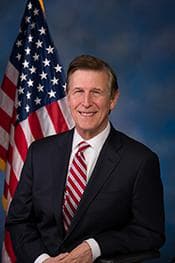
Donald S. Beyer
Democratic Representative
Virginia
Cosponsors (121)
Al Lawson (Democratic)Donald Norcross (Democratic)Tim Ryan (Democratic)Marcy Kaptur (Democratic)John Garamendi (Democratic)Jared Huffman (Democratic)Robert C. "Bobby" Scott (Democratic)Barbara Lee (Democratic)Joseph P. Kennedy (Democratic)Raúl M. Grijalva (Democratic)Mark Pocan (Democratic)James R. Langevin (Democratic)Joyce Beatty (Democratic)David N. Cicilline (Democratic)Brian Higgins (Democratic)Jackie Speier (Democratic)Kathleen M. Rice (Democratic)Darren Soto (Democratic)Derek Kilmer (Democratic)John A. Yarmuth (Democratic)Carolyn B. Maloney (Democratic)Bill Foster (Democratic)Joe Courtney (Democratic)Eliot L. Engel (Democratic)Frederica S. Wilson (Democratic)Terri A. Sewell (Democratic)Bobby L. Rush (Democratic)Jimmy Panetta (Democratic)Carol Shea-Porter (Democratic)Eric Swalwell (Democratic)Dina Titus (Democratic)Michael F. Doyle (Democratic)Niki Tsongas (Democratic)Debbie Dingell (Democratic)Katherine M. Clark (Democratic)Steve Cohen (Democratic)Tony Cárdenas (Democratic)Suzan K. DelBene (Democratic)Paul Tonko (Democratic)Donald M. Payne (Democratic)Thomas R. Suozzi (Democratic)John P. Sarbanes (Democratic)Rosa L. DeLauro (Democratic)Michael E. Capuano (Democratic)Adriano Espaillat (Democratic)Danny K. Davis (Democratic)Lucille Roybal-Allard (Democratic)Peter A. DeFazio (Democratic)Daniel T. Kildee (Democratic)Ted Lieu (Democratic)Ro Khanna (Democratic)A. Donald McEachin (Democratic)Elizabeth H. Esty (Democratic)Alan S. Lowenthal (Democratic)Sean Patrick Maloney (Democratic)Al Green (Democratic)André Carson (Democratic)Brendan F. Boyle (Democratic)Matt Cartwright (Democratic)John B. Larson (Democratic)Stephen F. Lynch (Democratic)Keith Ellison (Democratic)G. K. Butterfield (Democratic)John Conyers (Democratic)Timothy J. Walz (Democratic)Doris O. Matsui (Democratic)David E. Price (Democratic)Hakeem S. Jeffries (Democratic)James A. Himes (Democratic)Jerrold Nadler (Democratic)Theodore E. Deutch (Democratic)Sander M. Levin (Democratic)John Lewis (Democratic)Anna G. Eshoo (Democratic)Luis V. Gutierrez (Democratic)Pramila Jayapal (Democratic)Kathy Castor (Democratic)Betty McCollum (Democratic)Eleanor Holmes Norton (Democratic)Bonnie Watson Coleman (Democratic)Denny Heck (Democratic)Jamie Raskin (Democratic)Elijah E. Cummings (Democratic)Mike Quigley (Democratic)Louise McIntosh Slaughter (Democratic)Janice D. Schakowsky (Democratic)James P. McGovern (Democratic)Adam Smith (Democratic)Ron Kind (Democratic)Nydia M. Velázquez (Democratic)Joseph Crowley (Democratic)William R. Keating (Democratic)Eddie Bernice Johnson (Democratic)Beto O'Rourke (Democratic)Yvette D. Clarke (Democratic)Rick Larsen (Democratic)Jose E. Serrano (Democratic)Jared Polis (Democratic)Peter Welch (Democratic)Albio Sires (Democratic)Earl Blumenauer (Democratic)Robert A. Brady (Democratic)Seth Moulton (Democratic)Mike Thompson (Democratic)Suzanne Bonamici (Democratic)Linda T. Sánchez (Democratic)Zoe Lofgren (Democratic)Frank Pallone (Democratic)Gwen Moore (Democratic)John K. Delaney (Democratic)Grace Meng (Democratic)Bradley Scott Schneider (Democratic)Alcee L. Hastings (Democratic)Lloyd Doggett (Democratic)Debbie Wasserman Schultz (Democratic)Gerald E. Connolly (Democratic)Chellie Pingree (Democratic)Bill Pascrell (Democratic)Colleen Hanabusa (Democratic)Grace F. Napolitano (Democratic)Judy Chu (Democratic)
Judiciary Committee, Immigration Integrity, Security, and Enforcement Subcommittee
- Introduced
- In Committee
- On Floor
- Passed Chamber
- Enacted
Freedom of Religion Act of 2017 This bill amends the Immigration and Nationality Act to provide that an alien may not be denied U.S. entry, reentry, or admission, or any other immigration benefit because of the alien's religion or lack of religious beliefs. Nothing in this bill shall be construed to affect immigration law authority when exercised on a case-by-case basis with respect to an individual who a consular officer, an immigration officer, the Justice Department, the Department of State, the Department of Homeland Security, or the President determines may pose a threat to U.S. national security.
View Full TextSuggested Questions
Get AI-generated questions to help you understand this bill better
Timeline
Introduced in House
Referred to the House Committee on the Judiciary.
Referred to the Subcommittee on Immigration and Border Security.
Immigration
Immigration status and proceduresReligion
To amend the Immigration and Nationality Act to provide that an alien may not be denied admission or entry to the United States, or other immigration benefits, because of the alien's religion, and for other purposes.
USA115th CongressHR-852| House
| Updated: 3/9/2017
Freedom of Religion Act of 2017 This bill amends the Immigration and Nationality Act to provide that an alien may not be denied U.S. entry, reentry, or admission, or any other immigration benefit because of the alien's religion or lack of religious beliefs. Nothing in this bill shall be construed to affect immigration law authority when exercised on a case-by-case basis with respect to an individual who a consular officer, an immigration officer, the Justice Department, the Department of State, the Department of Homeland Security, or the President determines may pose a threat to U.S. national security.
View Full TextSuggested Questions
Get AI-generated questions to help you understand this bill better
Timeline
Introduced in House
Referred to the House Committee on the Judiciary.
Referred to the Subcommittee on Immigration and Border Security.
Donald S. Beyer
Democratic Representative
Virginia
Cosponsors (121)
Al Lawson (Democratic)Donald Norcross (Democratic)Tim Ryan (Democratic)Marcy Kaptur (Democratic)John Garamendi (Democratic)Jared Huffman (Democratic)Robert C. "Bobby" Scott (Democratic)Barbara Lee (Democratic)Joseph P. Kennedy (Democratic)Raúl M. Grijalva (Democratic)Mark Pocan (Democratic)James R. Langevin (Democratic)Joyce Beatty (Democratic)David N. Cicilline (Democratic)Brian Higgins (Democratic)Jackie Speier (Democratic)Kathleen M. Rice (Democratic)Darren Soto (Democratic)Derek Kilmer (Democratic)John A. Yarmuth (Democratic)Carolyn B. Maloney (Democratic)Bill Foster (Democratic)Joe Courtney (Democratic)Eliot L. Engel (Democratic)Frederica S. Wilson (Democratic)Terri A. Sewell (Democratic)Bobby L. Rush (Democratic)Jimmy Panetta (Democratic)Carol Shea-Porter (Democratic)Eric Swalwell (Democratic)Dina Titus (Democratic)Michael F. Doyle (Democratic)Niki Tsongas (Democratic)Debbie Dingell (Democratic)Katherine M. Clark (Democratic)Steve Cohen (Democratic)Tony Cárdenas (Democratic)Suzan K. DelBene (Democratic)Paul Tonko (Democratic)Donald M. Payne (Democratic)Thomas R. Suozzi (Democratic)John P. Sarbanes (Democratic)Rosa L. DeLauro (Democratic)Michael E. Capuano (Democratic)Adriano Espaillat (Democratic)Danny K. Davis (Democratic)Lucille Roybal-Allard (Democratic)Peter A. DeFazio (Democratic)Daniel T. Kildee (Democratic)Ted Lieu (Democratic)Ro Khanna (Democratic)A. Donald McEachin (Democratic)Elizabeth H. Esty (Democratic)Alan S. Lowenthal (Democratic)Sean Patrick Maloney (Democratic)Al Green (Democratic)André Carson (Democratic)Brendan F. Boyle (Democratic)Matt Cartwright (Democratic)John B. Larson (Democratic)Stephen F. Lynch (Democratic)Keith Ellison (Democratic)G. K. Butterfield (Democratic)John Conyers (Democratic)Timothy J. Walz (Democratic)Doris O. Matsui (Democratic)David E. Price (Democratic)Hakeem S. Jeffries (Democratic)James A. Himes (Democratic)Jerrold Nadler (Democratic)Theodore E. Deutch (Democratic)Sander M. Levin (Democratic)John Lewis (Democratic)Anna G. Eshoo (Democratic)Luis V. Gutierrez (Democratic)Pramila Jayapal (Democratic)Kathy Castor (Democratic)Betty McCollum (Democratic)Eleanor Holmes Norton (Democratic)Bonnie Watson Coleman (Democratic)Denny Heck (Democratic)Jamie Raskin (Democratic)Elijah E. Cummings (Democratic)Mike Quigley (Democratic)Louise McIntosh Slaughter (Democratic)Janice D. Schakowsky (Democratic)James P. McGovern (Democratic)Adam Smith (Democratic)Ron Kind (Democratic)Nydia M. Velázquez (Democratic)Joseph Crowley (Democratic)William R. Keating (Democratic)Eddie Bernice Johnson (Democratic)Beto O'Rourke (Democratic)Yvette D. Clarke (Democratic)Rick Larsen (Democratic)Jose E. Serrano (Democratic)Jared Polis (Democratic)Peter Welch (Democratic)Albio Sires (Democratic)Earl Blumenauer (Democratic)Robert A. Brady (Democratic)Seth Moulton (Democratic)Mike Thompson (Democratic)Suzanne Bonamici (Democratic)Linda T. Sánchez (Democratic)Zoe Lofgren (Democratic)Frank Pallone (Democratic)Gwen Moore (Democratic)John K. Delaney (Democratic)Grace Meng (Democratic)Bradley Scott Schneider (Democratic)Alcee L. Hastings (Democratic)Lloyd Doggett (Democratic)Debbie Wasserman Schultz (Democratic)Gerald E. Connolly (Democratic)Chellie Pingree (Democratic)Bill Pascrell (Democratic)Colleen Hanabusa (Democratic)Grace F. Napolitano (Democratic)Judy Chu (Democratic)
Judiciary Committee, Immigration Integrity, Security, and Enforcement Subcommittee
Immigration
- Introduced
- In Committee
- On Floor
- Passed Chamber
- Enacted
Immigration status and proceduresReligion