To amend title 18, United States Code, to establish a uniform 5-year post-employment ban on the lobbying of any officer or employee of the executive branch or any Member, officer, or employee of Congress by former executive branch officials and former Members, officers, and employees of Congress, to establish a lifetime post-employment ban on lobbying on behalf of foreign governments by former senior executive branch officials, and for other purposes.
USA115th CongressHR-796| House
| Updated: 3/2/2017
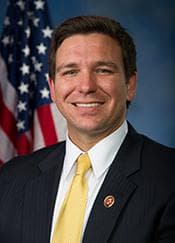
Ron DeSantis
Republican Representative
Florida
Cosponsors (2)
Committee on House Administration, Judiciary Committee, Constitution and Limited Government Subcommittee
- Introduced
- In Committee
- On Floor
- Passed Chamber
- Enacted
Drain the Swamp Act of 2017 This bill increases the ban on certain former executive branch officials, Members of Congress, and legislative staff within five years of termination of employment to knowingly make, with the intent to influence, any communication or appearance before an officer or employee of the executive branch, a Member of Congress or their staff, or any other legislative office on behalf of any other person (except the United States). The bill establishes penalties for such violations. The bill eliminates a similar two-year ban on certain senior executive branch officials. The bill creates a lifetime ban on certain senior personnel of the executive branch (including independent agencies) from representing, aiding, or advising foreign entities. The bill broadens the definition of lobbying activities in the Lobbying Disclosure Act of 1995 to also include consulting and advising. The bill amends the definition of lobbyist in the Lobbying Disclosure Act of 1995 to include individuals who spend at least 10% of their time engaged in lobbying services to one client in a 3-month period. The scope of prohibitions on foreign nationals is expanded to include soliciting a contribution or donation in connection with a federal, state, or local election; to a political party; or for an electioneering communication.
View Full TextSuggested Questions
Get AI-generated questions to help you understand this bill better
Timeline
Introduced in House
Referred to the Committee on the Judiciary, and in addition to the Committee on House Administration, for a period to be subsequently determined by the Speaker, in each case for consideration of such provisions as fall within the jurisdiction of the committee concerned.
Referred to the Subcommittee on the Constitution and Civil Justice.
Government Operations and Politics
Congressional officers and employeesElections, voting, political campaign regulationFederal officialsGovernment employee pay, benefits, personnel managementGovernment ethics and transparency, public corruptionMembers of CongressPresidents and presidential powers, Vice PresidentsPublic participation and lobbying
To amend title 18, United States Code, to establish a uniform 5-year post-employment ban on the lobbying of any officer or employee of the executive branch or any Member, officer, or employee of Congress by former executive branch officials and former Members, officers, and employees of Congress, to establish a lifetime post-employment ban on lobbying on behalf of foreign governments by former senior executive branch officials, and for other purposes.
USA115th CongressHR-796| House
| Updated: 3/2/2017
Drain the Swamp Act of 2017 This bill increases the ban on certain former executive branch officials, Members of Congress, and legislative staff within five years of termination of employment to knowingly make, with the intent to influence, any communication or appearance before an officer or employee of the executive branch, a Member of Congress or their staff, or any other legislative office on behalf of any other person (except the United States). The bill establishes penalties for such violations. The bill eliminates a similar two-year ban on certain senior executive branch officials. The bill creates a lifetime ban on certain senior personnel of the executive branch (including independent agencies) from representing, aiding, or advising foreign entities. The bill broadens the definition of lobbying activities in the Lobbying Disclosure Act of 1995 to also include consulting and advising. The bill amends the definition of lobbyist in the Lobbying Disclosure Act of 1995 to include individuals who spend at least 10% of their time engaged in lobbying services to one client in a 3-month period. The scope of prohibitions on foreign nationals is expanded to include soliciting a contribution or donation in connection with a federal, state, or local election; to a political party; or for an electioneering communication.
View Full TextSuggested Questions
Get AI-generated questions to help you understand this bill better
Timeline
Introduced in House
Referred to the Committee on the Judiciary, and in addition to the Committee on House Administration, for a period to be subsequently determined by the Speaker, in each case for consideration of such provisions as fall within the jurisdiction of the committee concerned.
Referred to the Subcommittee on the Constitution and Civil Justice.
Ron DeSantis
Republican Representative
Florida
Cosponsors (2)
Committee on House Administration, Judiciary Committee, Constitution and Limited Government Subcommittee
Government Operations and Politics
- Introduced
- In Committee
- On Floor
- Passed Chamber
- Enacted
Congressional officers and employeesElections, voting, political campaign regulationFederal officialsGovernment employee pay, benefits, personnel managementGovernment ethics and transparency, public corruptionMembers of CongressPresidents and presidential powers, Vice PresidentsPublic participation and lobbying