Water Infrastructure Improvement Act
USA115th CongressHR-7279| House
| Updated: 1/14/2019
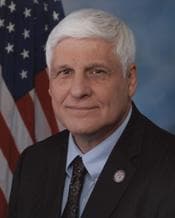
Bob Gibbs
Republican Representative
Ohio
Cosponsors (6)
Transportation and Infrastructure Committee, Water Resources and Environment Subcommittee
- Introduced
- In Committee
- On Floor
- Passed Chamber
- Enacted
Water Infrastructure Improvement Act (Sec. 3) This bill amends the Federal Water Pollution Control Act (commonly known as the Clean Water Act) to allow municipalities to develop a plan that integrates wastewater and stormwater management. A permit for a municipal discharge under the national pollutant discharge elimination system that incorporates an integrated plan may integrate all requirements under the Act addressed in the plan, such as requirements relating to combined sewer overflows, sanitary sewer collection systems, and total maximum daily loads. A plan that is incorporated into a permit may include the implementation of green infrastructure and projects to reclaim, recycle, or reuse water. Green infrastructure includes measures that mimic natural processes to store, reuse, or reduce stormwater. Those permits may include a schedule of compliance that allows actions for meeting water quality-based effluent limitations to be implemented over more than one permit term if the compliance schedules are authorized by state water quality standards. A municipality under an administrative order or settlement agreement may request a modification of the order or settlement based on the municipality's integrated plan. The EPA must report on each integrated plan developed and implemented through a permit, order, or judicial consent decree since June 5, 2012, including a description of the control measures, levels of control, estimated costs, and compliance schedules for the requirements implemented through such a plan. (Sec. 4) The bill establishes an Office of the Municipal Ombudsman in the Environmental Protection Agency (EPA) to provide: (1) technical assistance to municipalities seeking to comply with the Clean Water Act, and (2) information to the EPA to ensure that agency policies are implemented by all EPA offices. (Sec. 5) The EPA must promote the use of green infrastructure.
Suggested Questions
Get AI-generated questions to help you understand this bill better
Timeline
Introduced in House
Referred to the House Committee on Transportation and Infrastructure.
Referred to the Subcommittee on Water Resources and Environment.
Mr. Gibbs moved to suspend the rules and pass the bill.
Considered under suspension of the rules. (consideration: CR H10288-10291)
DEBATE - The House proceeded with forty minutes of debate on H.R. 7279.
At the conclusion of debate, the chair put the question on the motion to suspend the rules. Mr. Massie objected to the Yea - Nay vote on the grounds that a quorum was not present. Further proceedings on the motion were postponed. The point of no quorum was considered as withdrawn.
Considered as unfinished business. (consideration: CR H10317)
On motion to suspend the rules and pass the bill Agreed to by recorded vote (2/3 required): 351 - 10 (Roll no. 441). (text: CR H10288-10289)
View VoteMotion to reconsider laid on the table Agreed to without objection.
Received in the Senate, read twice.
Passed Senate without amendment by Voice Vote. (consideration: CR S8036)
Passed/agreed to in Senate: Passed Senate without amendment by Voice Vote.(consideration: CR S8036)
Message on Senate action sent to the House.
Presented to President.
Signed by President.
Became Public Law No: 115-436.
Environmental Protection
Civil actions and liabilityCongressional oversightEnvironmental Protection Agency (EPA)Executive agency funding and structureGovernment information and archivesIntergovernmental relationsLicensing and registrationsSolid waste and recyclingState and local government operationsWater qualityWater storageWater use and supply
Water Infrastructure Improvement Act
USA115th CongressHR-7279| House
| Updated: 1/14/2019
Water Infrastructure Improvement Act (Sec. 3) This bill amends the Federal Water Pollution Control Act (commonly known as the Clean Water Act) to allow municipalities to develop a plan that integrates wastewater and stormwater management. A permit for a municipal discharge under the national pollutant discharge elimination system that incorporates an integrated plan may integrate all requirements under the Act addressed in the plan, such as requirements relating to combined sewer overflows, sanitary sewer collection systems, and total maximum daily loads. A plan that is incorporated into a permit may include the implementation of green infrastructure and projects to reclaim, recycle, or reuse water. Green infrastructure includes measures that mimic natural processes to store, reuse, or reduce stormwater. Those permits may include a schedule of compliance that allows actions for meeting water quality-based effluent limitations to be implemented over more than one permit term if the compliance schedules are authorized by state water quality standards. A municipality under an administrative order or settlement agreement may request a modification of the order or settlement based on the municipality's integrated plan. The EPA must report on each integrated plan developed and implemented through a permit, order, or judicial consent decree since June 5, 2012, including a description of the control measures, levels of control, estimated costs, and compliance schedules for the requirements implemented through such a plan. (Sec. 4) The bill establishes an Office of the Municipal Ombudsman in the Environmental Protection Agency (EPA) to provide: (1) technical assistance to municipalities seeking to comply with the Clean Water Act, and (2) information to the EPA to ensure that agency policies are implemented by all EPA offices. (Sec. 5) The EPA must promote the use of green infrastructure.
Suggested Questions
Get AI-generated questions to help you understand this bill better
Timeline
Introduced in House
Referred to the House Committee on Transportation and Infrastructure.
Referred to the Subcommittee on Water Resources and Environment.
Mr. Gibbs moved to suspend the rules and pass the bill.
Considered under suspension of the rules. (consideration: CR H10288-10291)
DEBATE - The House proceeded with forty minutes of debate on H.R. 7279.
At the conclusion of debate, the chair put the question on the motion to suspend the rules. Mr. Massie objected to the Yea - Nay vote on the grounds that a quorum was not present. Further proceedings on the motion were postponed. The point of no quorum was considered as withdrawn.
Considered as unfinished business. (consideration: CR H10317)
On motion to suspend the rules and pass the bill Agreed to by recorded vote (2/3 required): 351 - 10 (Roll no. 441). (text: CR H10288-10289)
View VoteMotion to reconsider laid on the table Agreed to without objection.
Received in the Senate, read twice.
Passed Senate without amendment by Voice Vote. (consideration: CR S8036)
Passed/agreed to in Senate: Passed Senate without amendment by Voice Vote.(consideration: CR S8036)
Message on Senate action sent to the House.
Presented to President.
Signed by President.
Became Public Law No: 115-436.
Bob Gibbs
Republican Representative
Ohio
Cosponsors (6)
Transportation and Infrastructure Committee, Water Resources and Environment Subcommittee
Environmental Protection
Related Bills
- HR 115-1971: To provide for integrated plan permits, to establish an Office of the Municipal Ombudsman, to promote green infrastructure, and to require the revision of financial capability guidance.
- HR 115-2355: To provide for integrated plan permits, to establish an Office of the Municipal Ombudsman, to promote green infrastructure, and to require the revision of financial capability guidance.
- S 115-692: Water Infrastructure Flexibility Act
- Introduced
- In Committee
- On Floor
- Passed Chamber
- Enacted
Civil actions and liabilityCongressional oversightEnvironmental Protection Agency (EPA)Executive agency funding and structureGovernment information and archivesIntergovernmental relationsLicensing and registrationsSolid waste and recyclingState and local government operationsWater qualityWater storageWater use and supply