To secure the rights of public employees to organize, act concertedly, and bargain collectively, which safeguard the public interest and promote the free and unobstructed flow of commerce, and for other purposes.
USA115th CongressHR-6238| House
| Updated: 6/27/2018
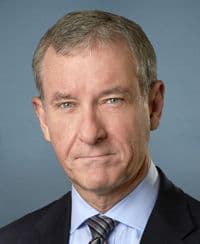
Matt Cartwright
Democratic Representative
Pennsylvania
Cosponsors (47)
Donald Norcross (Democratic)Tim Ryan (Democratic)Marcy Kaptur (Democratic)Robert C. "Bobby" Scott (Democratic)Mark Pocan (Democratic)Joyce Beatty (Democratic)Brian Higgins (Democratic)Kathleen M. Rice (Democratic)Derek Kilmer (Democratic)John A. Yarmuth (Democratic)Pete Aguilar (Democratic)Eliot L. Engel (Democratic)Frederica S. Wilson (Democratic)Bobby L. Rush (Democratic)Gregorio Kilili Camacho Sablan (Democratic)Debbie Dingell (Democratic)Steve Cohen (Democratic)Adriano Espaillat (Democratic)Peter A. DeFazio (Democratic)Alan S. Lowenthal (Democratic)Kurt Schrader (Democratic)Brendan F. Boyle (Democratic)Mark DeSaulnier (Democratic)Keith Ellison (Democratic)Gene Green (Democratic)Anna G. Eshoo (Democratic)Mark Takano (Democratic)Eleanor Holmes Norton (Democratic)Brad Sherman (Democratic)Conor Lamb (Democratic)Donald S. Beyer (Democratic)Janice D. Schakowsky (Democratic)James P. McGovern (Democratic)Adam Smith (Democratic)Julia Brownley (Democratic)Peter Welch (Democratic)Albio Sires (Democratic)Brian K. Fitzpatrick (Republican)Earl Blumenauer (Democratic)Suzanne Bonamici (Democratic)Zoe Lofgren (Democratic)Frank Pallone (Democratic)Jimmy Gomez (Democratic)Gerald E. Connolly (Democratic)Bill Pascrell (Democratic)Colleen Hanabusa (Democratic)Judy Chu (Democratic)
Education and Workforce Committee
- Introduced
- In Committee
- On Floor
- Passed Chamber
- Enacted
Public Service Freedom to Negotiate Act of 2018 This bill requires the Federal Labor Relations Authority (FLRA) to make a determination as to whether a state substantially provides for certain rights and responsibilities applicable to public employees, such as granting such employees the right to form or join a labor organization and to bargain collectively, and if the state does not substantially provide for such rights and responsibilities, then such state shall be subject to nationwide standards prescribed by the FLRA to protect public employee rights. No employer, emergency services employee, or law enforcement officer may engage in a lockout, strike, or any other organized job action of which a reasonably probable result is a measurable disruption of the delivery of emergency or public safety services. No labor organization may violate or attempt to violate this prohibition.
View Full TextSuggested Questions
Get AI-generated questions to help you understand this bill better
Timeline
Introduced in House
Referred to the House Committee on Education and the Workforce.
Labor and Employment
Administrative law and regulatory proceduresAdministrative remediesEmployment discrimination and employee rightsFederal Labor Relations AuthorityGovernment employee pay, benefits, personnel managementJudicial review and appealsLabor-management relationsState and local government operations
To secure the rights of public employees to organize, act concertedly, and bargain collectively, which safeguard the public interest and promote the free and unobstructed flow of commerce, and for other purposes.
USA115th CongressHR-6238| House
| Updated: 6/27/2018
Public Service Freedom to Negotiate Act of 2018 This bill requires the Federal Labor Relations Authority (FLRA) to make a determination as to whether a state substantially provides for certain rights and responsibilities applicable to public employees, such as granting such employees the right to form or join a labor organization and to bargain collectively, and if the state does not substantially provide for such rights and responsibilities, then such state shall be subject to nationwide standards prescribed by the FLRA to protect public employee rights. No employer, emergency services employee, or law enforcement officer may engage in a lockout, strike, or any other organized job action of which a reasonably probable result is a measurable disruption of the delivery of emergency or public safety services. No labor organization may violate or attempt to violate this prohibition.
View Full TextSuggested Questions
Get AI-generated questions to help you understand this bill better
Timeline
Introduced in House
Referred to the House Committee on Education and the Workforce.
Matt Cartwright
Democratic Representative
Pennsylvania
Cosponsors (47)
Donald Norcross (Democratic)Tim Ryan (Democratic)Marcy Kaptur (Democratic)Robert C. "Bobby" Scott (Democratic)Mark Pocan (Democratic)Joyce Beatty (Democratic)Brian Higgins (Democratic)Kathleen M. Rice (Democratic)Derek Kilmer (Democratic)John A. Yarmuth (Democratic)Pete Aguilar (Democratic)Eliot L. Engel (Democratic)Frederica S. Wilson (Democratic)Bobby L. Rush (Democratic)Gregorio Kilili Camacho Sablan (Democratic)Debbie Dingell (Democratic)Steve Cohen (Democratic)Adriano Espaillat (Democratic)Peter A. DeFazio (Democratic)Alan S. Lowenthal (Democratic)Kurt Schrader (Democratic)Brendan F. Boyle (Democratic)Mark DeSaulnier (Democratic)Keith Ellison (Democratic)Gene Green (Democratic)Anna G. Eshoo (Democratic)Mark Takano (Democratic)Eleanor Holmes Norton (Democratic)Brad Sherman (Democratic)Conor Lamb (Democratic)Donald S. Beyer (Democratic)Janice D. Schakowsky (Democratic)James P. McGovern (Democratic)Adam Smith (Democratic)Julia Brownley (Democratic)Peter Welch (Democratic)Albio Sires (Democratic)Brian K. Fitzpatrick (Republican)Earl Blumenauer (Democratic)Suzanne Bonamici (Democratic)Zoe Lofgren (Democratic)Frank Pallone (Democratic)Jimmy Gomez (Democratic)Gerald E. Connolly (Democratic)Bill Pascrell (Democratic)Colleen Hanabusa (Democratic)Judy Chu (Democratic)
Education and Workforce Committee
Labor and Employment
Related Bills
- HR 115-4846: To provide collective bargaining rights for public safety officers employed by States or their political subdivisions.
- S 115-3151: A bill to secure the rights of public employees to organize, act concertedly, and bargain collectively, which safeguard the public interest and promote the free and unobstructed flow of commerce, and for other purposes.
- S 115-2845: A bill to provide collective bargaining rights for public safety officers employed by States or their political subdivisions.
- HR 115-6445: To secure the rights of public employees to organize, act concertedly, and bargain collectively, which safeguard the public interest and promote the free and unobstructed flow of commerce, and for other purposes.
- Introduced
- In Committee
- On Floor
- Passed Chamber
- Enacted
Administrative law and regulatory proceduresAdministrative remediesEmployment discrimination and employee rightsFederal Labor Relations AuthorityGovernment employee pay, benefits, personnel managementJudicial review and appealsLabor-management relationsState and local government operations