To modify the congressional budget and appropriations process to provide fiscal stability for the United States, and for other purposes.
USA115th CongressHR-5214| House
| Updated: 3/8/2018
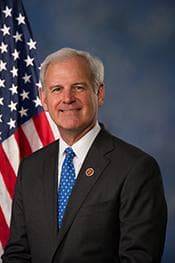
Bradley Byrne
Republican Representative
Alabama
Cosponsors (4)
Committee on House Administration, Rules Committee, Oversight and Government Reform Committee, Budget Committee
- Introduced
- In Committee
- On Floor
- Passed Chamber
- Enacted
Protecting Our Children's Future Act of 2018 This bill amends the Congressional Budget Act of 1974 and other budget laws to make several changes to the federal budget process. The changes to the budget process include: converting the existing annual budget and appropriations process to a biennial process; changing the calendar period for the federal fiscal year (currently October 1 through September 30) to January 1 through December 31 beginning in 2020; requiring mandatory spending to be subject to the appropriations process beginning in FY2020, with exceptions for Social Security, Medicare, programs administered by the Department of Veterans Affairs, and TRICARE; requiring the baseline budget of each department or agency to be assumed to be zero and each proposed expenditure to be justified as if it were a new expenditure; requiring Congress to consider appropriations bills using procedures similar to the existing budget reconciliation process, which includes expedited procedures that prevent a filibuster and restrict amendments in the Senate; withholding pay for Members of Congress if the House and Senate have not jointly agreed to a congressional budget resolution by June 30 of the first year of a Congress; and repealing the existing discretionary spending limits and the sequestration process used to enforce the limits.
View Full TextSuggested Questions
Get AI-generated questions to help you understand this bill better
Timeline
Introduced in House
Referred to the Committee on the Budget, and in addition to the Committees on Rules, Oversight and Government Reform, and House Administration, for a period to be subsequently determined by the Speaker, in each case for consideration of such provisions as fall within the jurisdiction of the committee concerned.
Economics and Public Finance
AppropriationsBudget deficits and national debtBudget processExecutive agency funding and structureGovernment employee pay, benefits, personnel managementLegislative rules and procedureMembers of Congress
To modify the congressional budget and appropriations process to provide fiscal stability for the United States, and for other purposes.
USA115th CongressHR-5214| House
| Updated: 3/8/2018
Protecting Our Children's Future Act of 2018 This bill amends the Congressional Budget Act of 1974 and other budget laws to make several changes to the federal budget process. The changes to the budget process include: converting the existing annual budget and appropriations process to a biennial process; changing the calendar period for the federal fiscal year (currently October 1 through September 30) to January 1 through December 31 beginning in 2020; requiring mandatory spending to be subject to the appropriations process beginning in FY2020, with exceptions for Social Security, Medicare, programs administered by the Department of Veterans Affairs, and TRICARE; requiring the baseline budget of each department or agency to be assumed to be zero and each proposed expenditure to be justified as if it were a new expenditure; requiring Congress to consider appropriations bills using procedures similar to the existing budget reconciliation process, which includes expedited procedures that prevent a filibuster and restrict amendments in the Senate; withholding pay for Members of Congress if the House and Senate have not jointly agreed to a congressional budget resolution by June 30 of the first year of a Congress; and repealing the existing discretionary spending limits and the sequestration process used to enforce the limits.
View Full TextSuggested Questions
Get AI-generated questions to help you understand this bill better
Timeline
Introduced in House
Referred to the Committee on the Budget, and in addition to the Committees on Rules, Oversight and Government Reform, and House Administration, for a period to be subsequently determined by the Speaker, in each case for consideration of such provisions as fall within the jurisdiction of the committee concerned.
Bradley Byrne
Republican Representative
Alabama
Cosponsors (4)
Committee on House Administration, Rules Committee, Oversight and Government Reform Committee, Budget Committee
Economics and Public Finance
Related Bills
- HR 115-1065: To establish biennial budgets for the United States Government.
- HR 115-5465: To provide that the salaries of Members of a House of Congress will be held in escrow if that House has not agreed to a concurrent resolution on the budget for fiscal year 2019 by April 15, 2018.
- HR 115-507: To require zero-based budgeting for departments and agencies of the Government.
- HR 115-429: To provide that the salaries of Members of a House of Congress will be held in escrow if that House has not agreed to a concurrent resolution on the budget for fiscal year 2018 by April 15, 2017.
- Introduced
- In Committee
- On Floor
- Passed Chamber
- Enacted
AppropriationsBudget deficits and national debtBudget processExecutive agency funding and structureGovernment employee pay, benefits, personnel managementLegislative rules and procedureMembers of Congress