PROSPER Act
USA115th CongressHR-4508| House
| Updated: 2/8/2018
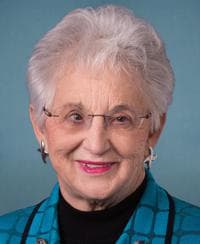
Virginia Foxx
Republican Representative
North Carolina
Cosponsors (21)
Karen C. Handel (Republican)Elise M. Stefanik (Republican)Brett Guthrie (Republican)Rick W. Allen (Republican)Glenn Thompson (Republican)Tim Walberg (Republican)Thomas A. Garrett (Republican)Lou Barletta (Republican)Todd Rokita (Republican)Lloyd Smucker (Republican)Luke Messer (Republican)Paul Mitchell (Independent)A. Drew Ferguson (Republican)Joe Wilson (Republican)Ron Estes (Republican)Jason Lewis (Republican)Dave Brat (Republican)Bradley Byrne (Republican)David P. Roe (Republican)Duncan D. Hunter (Republican)Francis Rooney (Republican)
Education and Workforce Committee
- Introduced
- In Committee
- On Floor
- Passed Chamber
- Enacted
Promoting Real Opportunity, Success, and Prosperity through Education Reform Act or the PROSPER Act This bill amends the Higher Education Act of 1965 to revise the governance of federal financial aid provided to students pursuing a postsecondary education and institutions of higher education (IHEs), including by: removing restrictions on providing aid to for-profit institutions, correspondence courses, and certificate programs; modifying the eligibility requirements for IHEs and students to participate in federal student aid programs; revising accountability measures for IHEs, such as adding new measures for minority-serving institutions; requiring IHEs to implement programs to prevent the use of illicit drugs and the abuse of alcohol by students and employees; prohibiting aid to IHEs that deny religious student organizations the rights, benefits, or privileges that are afforded to other organizations; limiting the Department of Education's authority to issue regulations; revising requirements concerning sexual assault on campuses; authorizing an industry-led apprenticeship grant program; reauthorizing through FY2024 and revising specified programs, including the Federal Pell Grant program, the Federal Work-Study programs, and an aid program for students whose families are seasonal farm workers; revising requirements governing the Federal TRIO programs for students from disadvantaged backgrounds; repealing specified grant programs (e.g., the Federal Supplemental Educational Opportunity Grant program) and loan forgiveness programs (e.g., Public Service Loan Forgiveness) for new borrowers; replacing the existing student loan programs (i.e., the Federal Direct Loan program and the Federal Family Education Loan program) with a single loan program (i.e., ONE loan program); revising student loan limits for undergraduate students and establishing loan limits for graduate students; and replacing existing student loan repayment plans with an income-based repayment plan.
Suggested Questions
Get AI-generated questions to help you understand this bill better
Timeline
Introduced in House
Referred to the House Committee on Education and the Workforce.
Ordered to be Reported (Amended) by the Yeas and Nays: 23 - 17.
Placed on the Union Calendar, Calendar No. 413.
Reported (Amended) by the Committee on Education and the Workforce. H. Rept. 115-550.
Education
Administrative law and regulatory proceduresAdvisory bodiesArea studies and international educationAssault and harassment offensesBusiness educationChild care and developmentChild healthCompetitiveness, trade promotion, trade deficitsCongressional oversightCrime preventionCrime victimsCriminal investigation, prosecution, interrogationDepartment of EducationDiplomacy, foreign officials, Americans abroadDisability and paralysisDomestic violence and child abuseEducational technology and distance educationEducation of the disadvantagedEducation programs fundingElections, voting, political campaign regulationEmployment and training programsEvidence and witnessesForeign language and bilingual programsGovernment information and archivesGovernment studies and investigationsHigher educationIndian social and development programsInterest, dividends, interest ratesLaw enforcement administration and fundingLicensing and registrationsMental healthMigrant, seasonal, agricultural laborMinority educationMinority employmentPolicy sciencesPublic contracts and procurementSchool administrationScience and engineering educationSex offensesState and local government operationsStudent aid and college costsTeaching, teachers, curricula
PROSPER Act
USA115th CongressHR-4508| House
| Updated: 2/8/2018
Promoting Real Opportunity, Success, and Prosperity through Education Reform Act or the PROSPER Act This bill amends the Higher Education Act of 1965 to revise the governance of federal financial aid provided to students pursuing a postsecondary education and institutions of higher education (IHEs), including by: removing restrictions on providing aid to for-profit institutions, correspondence courses, and certificate programs; modifying the eligibility requirements for IHEs and students to participate in federal student aid programs; revising accountability measures for IHEs, such as adding new measures for minority-serving institutions; requiring IHEs to implement programs to prevent the use of illicit drugs and the abuse of alcohol by students and employees; prohibiting aid to IHEs that deny religious student organizations the rights, benefits, or privileges that are afforded to other organizations; limiting the Department of Education's authority to issue regulations; revising requirements concerning sexual assault on campuses; authorizing an industry-led apprenticeship grant program; reauthorizing through FY2024 and revising specified programs, including the Federal Pell Grant program, the Federal Work-Study programs, and an aid program for students whose families are seasonal farm workers; revising requirements governing the Federal TRIO programs for students from disadvantaged backgrounds; repealing specified grant programs (e.g., the Federal Supplemental Educational Opportunity Grant program) and loan forgiveness programs (e.g., Public Service Loan Forgiveness) for new borrowers; replacing the existing student loan programs (i.e., the Federal Direct Loan program and the Federal Family Education Loan program) with a single loan program (i.e., ONE loan program); revising student loan limits for undergraduate students and establishing loan limits for graduate students; and replacing existing student loan repayment plans with an income-based repayment plan.
Suggested Questions
Get AI-generated questions to help you understand this bill better
Timeline
Introduced in House
Referred to the House Committee on Education and the Workforce.
Ordered to be Reported (Amended) by the Yeas and Nays: 23 - 17.
Placed on the Union Calendar, Calendar No. 413.
Reported (Amended) by the Committee on Education and the Workforce. H. Rept. 115-550.
Virginia Foxx
Republican Representative
North Carolina
Cosponsors (21)
Karen C. Handel (Republican)Elise M. Stefanik (Republican)Brett Guthrie (Republican)Rick W. Allen (Republican)Glenn Thompson (Republican)Tim Walberg (Republican)Thomas A. Garrett (Republican)Lou Barletta (Republican)Todd Rokita (Republican)Lloyd Smucker (Republican)Luke Messer (Republican)Paul Mitchell (Independent)A. Drew Ferguson (Republican)Joe Wilson (Republican)Ron Estes (Republican)Jason Lewis (Republican)Dave Brat (Republican)Bradley Byrne (Republican)David P. Roe (Republican)Duncan D. Hunter (Republican)Francis Rooney (Republican)
Education and Workforce Committee
Education
Related Bills
- HR 115-1635: Empowering Students Through Enhanced Financial Counseling Act
- S 115-2081: A bill to amend the loan counseling requirements under the Higher Education Act of 1965, and for other purposes.
- HR 115-3957: To repeal title VIII of the Higher Education Opportunity Act and title VIII of the Higher Education Act of 1965.
- HR 115-2679: To amend the Higher Education Act of 1965 to improve service-connected disability determinations for purposes of loan discharge.
- S 115-3066: A bill to amend the General Education Provisions Act to allow the release of education records to facilitate the award of a recognized postsecondary credential.
- HR 115-4336: To amend the institutional refunds provision of the Higher Education Act of 1965.
- HR 115-3774: To amend the General Education Provisions Act to allow the release of education records to facilitate the award of a recognized postsecondary credential.
- HR 115-1123: To amend the Higher Education Act of 1965 to modify certain provisions relating to the capital financing of historically Black colleges and universities.
- Introduced
- In Committee
- On Floor
- Passed Chamber
- Enacted
Administrative law and regulatory proceduresAdvisory bodiesArea studies and international educationAssault and harassment offensesBusiness educationChild care and developmentChild healthCompetitiveness, trade promotion, trade deficitsCongressional oversightCrime preventionCrime victimsCriminal investigation, prosecution, interrogationDepartment of EducationDiplomacy, foreign officials, Americans abroadDisability and paralysisDomestic violence and child abuseEducational technology and distance educationEducation of the disadvantagedEducation programs fundingElections, voting, political campaign regulationEmployment and training programsEvidence and witnessesForeign language and bilingual programsGovernment information and archivesGovernment studies and investigationsHigher educationIndian social and development programsInterest, dividends, interest ratesLaw enforcement administration and fundingLicensing and registrationsMental healthMigrant, seasonal, agricultural laborMinority educationMinority employmentPolicy sciencesPublic contracts and procurementSchool administrationScience and engineering educationSex offensesState and local government operationsStudent aid and college costsTeaching, teachers, curricula