To strengthen and expand proven anti-poverty programs and initiatives.
USA115th CongressHR-4074| House
| Updated: 10/26/2017
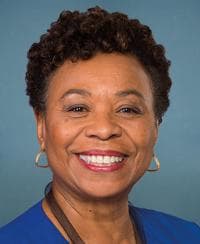
Barbara Lee
Democratic Representative
California
Cosponsors (25)
Dwight Evans (Democratic)Raúl M. Grijalva (Democratic)Mark Pocan (Democratic)Joyce Beatty (Democratic)Jackie Speier (Democratic)Sheila Jackson Lee (Democratic)Donald M. Payne (Democratic)Adriano Espaillat (Democratic)André Carson (Democratic)Mark DeSaulnier (Democratic)Keith Ellison (Democratic)G. K. Butterfield (Democratic)John Conyers (Democratic)Mark Takano (Democratic)Pramila Jayapal (Democratic)Betty McCollum (Democratic)Eleanor Holmes Norton (Democratic)Bonnie Watson Coleman (Democratic)Norma J. Torres (Democratic)Louise McIntosh Slaughter (Democratic)Janice D. Schakowsky (Democratic)Jerry McNerney (Democratic)Jose E. Serrano (Democratic)Gwen Moore (Democratic)Alcee L. Hastings (Democratic)
Committees (12)
• Committee on House Administration• Transportation and Infrastructure Committee• Ways and Means Committee• Agriculture Committee• Rules Committee• Financial Services Committee• Economic Development, Public Buildings, and Emergency Management Subcommittee• Judiciary Committee• Education and Workforce Committee• Nutrition and Foreign Agriculture Subcommittee• Oversight and Government Reform Committee• Budget Committee
- Introduced
- In Committee
- On Floor
- Passed Chamber
- Enacted
Pathways Out of Poverty Act of 2017 This bill establishes and expands various programs related to education, housing, employment, and social welfare. The Department of Education must award grants to states for the development and implementation of prekindergarten programs. The Office of Juvenile Justice and Delinquency Prevention within the Department of Justice may award grants to assist communities in addressing juvenile delinquency and gang prevention. The bill expands: the Pell Grant program, the Temporary Assistance to Needy Families (TANF) program, and the National School Lunch and School Breakfast programs. With respect to housing, the bill: phases out the federal mortgage-interest income-tax deduction, replacing it with a new mortgage-interest income-tax credit; expands the federal low-income housing income-tax credit; expands certain affordable-housing programs; and establishes a federal income-tax credit for low-income renters. With respect to employment, the bill: expands unemployment compensation benefits; establishes several new employment-related programs to be carried out by the Department of Labor; establishes a tax credit for employers that hire long-term unemployed individuals; establishes prohibitions on employment discrimination based on an individual's status as unemployed; increases the federal minimum wage, incrementally over a period of seven years, to $15.00 per hour. In addition, the bill: expands the federal earned-income tax credit, makes refundable a federal income-tax credit for dependent care expenses, and expands eligibility for certain child-care benefits. The bill also establishes: within the Congressional Budget Office, a Poverty Impact Division; and within the Department of Health and Human Services, a Federal Interagency Working Group on Reducing Poverty.
View Full TextSuggested Questions
Get AI-generated questions to help you understand this bill better
Timeline
Introduced in House
Referred to the Committee on Ways and Means, and in addition to the Committees on House Administration, Oversight and Government Reform, Education and the Workforce, Financial Services, Agriculture, Transportation and Infrastructure, Rules, the Budget, and the Judiciary, for a period to be subsequently determined by the Speaker, in each case for consideration of such provisions as fall within the jurisdiction of the committee concerned.
Referred to the Subcommittee on Economic Development, Public Buildings and Emergency Management.
Referred to the Subcommittee on Nutrition.
Social Welfare
Academic performance and assessmentsAdvisory bodiesAir qualityChild care and developmentChild safety and welfareClimate change and greenhouse gasesCommunity life and organizationCooperative and condominium housingCrimes against womenCrime victimsDepartment of Health and Human ServicesDisability and paralysisDisaster relief and insuranceDomestic violence and child abuseDrug trafficking and controlled substancesEconomic performance and conditionsEducation programs fundingElementary and secondary educationEmployment and training programsExecutive agency funding and structureFederal officialsFood assistance and reliefGovernment information and archivesGovernment studies and investigationsGovernment trust fundsHigher educationHouse of RepresentativesHousing finance and home ownershipHousing supply and affordabilityIncome tax creditsIncome tax deductionsInflation and pricesInterest, dividends, interest ratesIntergovernmental relationsLabor standardsLegislative rules and procedureLow- and moderate-income housingNutrition and dietPerformance measurementPoverty and welfare assistancePreschool educationPublic housingPublic-private cooperationSeparation, divorce, custody, supportSex offensesState and local financeState and local government operationsState and local taxationStudent aid and college costsTax treatment of familiesTeenage pregnancyUnemploymentWages and earnings
To strengthen and expand proven anti-poverty programs and initiatives.
USA115th CongressHR-4074| House
| Updated: 10/26/2017
Pathways Out of Poverty Act of 2017 This bill establishes and expands various programs related to education, housing, employment, and social welfare. The Department of Education must award grants to states for the development and implementation of prekindergarten programs. The Office of Juvenile Justice and Delinquency Prevention within the Department of Justice may award grants to assist communities in addressing juvenile delinquency and gang prevention. The bill expands: the Pell Grant program, the Temporary Assistance to Needy Families (TANF) program, and the National School Lunch and School Breakfast programs. With respect to housing, the bill: phases out the federal mortgage-interest income-tax deduction, replacing it with a new mortgage-interest income-tax credit; expands the federal low-income housing income-tax credit; expands certain affordable-housing programs; and establishes a federal income-tax credit for low-income renters. With respect to employment, the bill: expands unemployment compensation benefits; establishes several new employment-related programs to be carried out by the Department of Labor; establishes a tax credit for employers that hire long-term unemployed individuals; establishes prohibitions on employment discrimination based on an individual's status as unemployed; increases the federal minimum wage, incrementally over a period of seven years, to $15.00 per hour. In addition, the bill: expands the federal earned-income tax credit, makes refundable a federal income-tax credit for dependent care expenses, and expands eligibility for certain child-care benefits. The bill also establishes: within the Congressional Budget Office, a Poverty Impact Division; and within the Department of Health and Human Services, a Federal Interagency Working Group on Reducing Poverty.
View Full TextSuggested Questions
Get AI-generated questions to help you understand this bill better
Timeline
Introduced in House
Referred to the Committee on Ways and Means, and in addition to the Committees on House Administration, Oversight and Government Reform, Education and the Workforce, Financial Services, Agriculture, Transportation and Infrastructure, Rules, the Budget, and the Judiciary, for a period to be subsequently determined by the Speaker, in each case for consideration of such provisions as fall within the jurisdiction of the committee concerned.
Referred to the Subcommittee on Economic Development, Public Buildings and Emergency Management.
Referred to the Subcommittee on Nutrition.
Barbara Lee
Democratic Representative
California
Cosponsors (25)
Dwight Evans (Democratic)Raúl M. Grijalva (Democratic)Mark Pocan (Democratic)Joyce Beatty (Democratic)Jackie Speier (Democratic)Sheila Jackson Lee (Democratic)Donald M. Payne (Democratic)Adriano Espaillat (Democratic)André Carson (Democratic)Mark DeSaulnier (Democratic)Keith Ellison (Democratic)G. K. Butterfield (Democratic)John Conyers (Democratic)Mark Takano (Democratic)Pramila Jayapal (Democratic)Betty McCollum (Democratic)Eleanor Holmes Norton (Democratic)Bonnie Watson Coleman (Democratic)Norma J. Torres (Democratic)Louise McIntosh Slaughter (Democratic)Janice D. Schakowsky (Democratic)Jerry McNerney (Democratic)Jose E. Serrano (Democratic)Gwen Moore (Democratic)Alcee L. Hastings (Democratic)
Committees (12)
• Committee on House Administration• Transportation and Infrastructure Committee• Ways and Means Committee• Agriculture Committee• Rules Committee• Financial Services Committee• Economic Development, Public Buildings, and Emergency Management Subcommittee• Judiciary Committee• Education and Workforce Committee• Nutrition and Foreign Agriculture Subcommittee• Oversight and Government Reform Committee• Budget Committee
Social Welfare
Related Bills
- S 115-1136: A bill to improve the structure of the Federal Pell Grant program, and for other purposes.
- HR 115-1432: To amend the Higher Education Act of 1965 to repeal the suspension of eligibility for grants, loans, and work assistance for drug-related offenses.
- S 115-1125: A bill to amend the Higher Education Act of 1965 to provide Federal Pell Grants to Iraq and Afghanistan veteran's dependents.
- HR 115-2451: To improve the structure of the Federal Pell Grant program, and for other purposes.
- S 115-1651: A bill to provide for temporary financing of short-time compensation programs.
- HR 115-7010: To reauthorize and amend the program of block grants to States for temporary assistance for needy families and related programs.
- HR 115-3468: To provide for temporary financing of short-time compensation programs.
- S 115-1242: A bill to provide for increases in the Federal minimum wage, and for other purposes.
- HR 115-2490: To amend title IV of the Higher Education Act of 1965 in order to increase the amount of financial support available for working students.
- HR 115-948: To amend the Internal Revenue Code of 1986 to replace the mortgage interest deduction with a nonrefundable credit for indebtedness secured by a residence, to provide affordable housing to extremely low-income families, and for other purposes.
- Introduced
- In Committee
- On Floor
- Passed Chamber
- Enacted
Academic performance and assessmentsAdvisory bodiesAir qualityChild care and developmentChild safety and welfareClimate change and greenhouse gasesCommunity life and organizationCooperative and condominium housingCrimes against womenCrime victimsDepartment of Health and Human ServicesDisability and paralysisDisaster relief and insuranceDomestic violence and child abuseDrug trafficking and controlled substancesEconomic performance and conditionsEducation programs fundingElementary and secondary educationEmployment and training programsExecutive agency funding and structureFederal officialsFood assistance and reliefGovernment information and archivesGovernment studies and investigationsGovernment trust fundsHigher educationHouse of RepresentativesHousing finance and home ownershipHousing supply and affordabilityIncome tax creditsIncome tax deductionsInflation and pricesInterest, dividends, interest ratesIntergovernmental relationsLabor standardsLegislative rules and procedureLow- and moderate-income housingNutrition and dietPerformance measurementPoverty and welfare assistancePreschool educationPublic housingPublic-private cooperationSeparation, divorce, custody, supportSex offensesState and local financeState and local government operationsState and local taxationStudent aid and college costsTax treatment of familiesTeenage pregnancyUnemploymentWages and earnings