Cyber Diplomacy Act of 2018
USA115th CongressHR-3776| House
| Updated: 6/28/2018
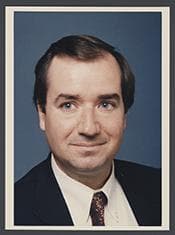
Edward R. Royce
Republican Representative
California
Cosponsors (25)
Steve Chabot (Republican)Mark Meadows (Republican)Stephanie N. Murphy (Democratic)James R. Langevin (Democratic)David N. Cicilline (Democratic)C. A. Dutch Ruppersberger (Democratic)Eliot L. Engel (Democratic)Debbie Dingell (Democratic)Ted Lieu (Democratic)Brendan F. Boyle (Democratic)Joe Wilson (Republican)Ted Poe (Republican)Ann Wagner (Republican)Jacky Rosen (Democratic)James A. Himes (Democratic)Brad Sherman (Democratic)Michael T. McCaul (Republican)Tom Marino (Republican)Lois Frankel (Democratic)Ted S. Yoho (Republican)Adam Kinzinger (Republican)Brian K. Fitzpatrick (Republican)Tom Graves (Republican)Gerald E. Connolly (Democratic)Francis Rooney (Republican)
Foreign Affairs Committee, Foreign Relations Committee
- Introduced
- In Committee
- On Floor
- Passed Chamber
- Enacted
Cyber Diplomacy Act of 2017 This bill sets forth U.S. international cyberspace policy, in furtherance specifically of the promotion of an open, interoperable, reliable, unfettered, and secure Internet governed by a model that promotes human rights, democracy, and the rule of law, while respecting privacy and guarding against deception, fraud, and theft. The bill includes the establishment of an Office of Cyber Issues in the Department of State. The President is encouraged to enter into executive arrangements with foreign governments that support the cyberspace policy.
Suggested Questions
Get AI-generated questions to help you understand this bill better
Timeline
Introduced in House
Referred to the House Committee on Foreign Affairs.
Ordered to be Reported in the Nature of a Substitute (Amended) by Voice Vote.
Committee Consideration and Mark-up Session Held.
Placed on the Union Calendar, Calendar No. 357.
Reported (Amended) by the Committee on Foreign Affairs. H. Rept. 115-483.
Mr. Royce (CA) moved to suspend the rules and pass the bill, as amended.
Considered under suspension of the rules. (consideration: CR H435-439)
DEBATE - The House proceeded with forty minutes of debate on H.R. 3776.
Passed/agreed to in House: On motion to suspend the rules and pass the bill, as amended Agreed to by voice vote.(text: CR H435-437)
On motion to suspend the rules and pass the bill, as amended Agreed to by voice vote. (text: CR H435-437)
Motion to reconsider laid on the table Agreed to without objection.
Received in the Senate and Read twice and referred to the Committee on Foreign Relations.
Committee on Foreign Relations. Ordered to be reported with an amendment favorably.
Committee on Foreign Relations. Reported by Senator Corker with an amendment in the nature of a substitute. Without written report.
Placed on Senate Legislative Calendar under General Orders. Calendar No. 495.
International Affairs
AfricaAlliancesArgentinaAsiaAustraliaChinaCompetitiveness, trade promotion, trade deficitsComputer security and identity theftCongressional oversightDepartment of StateEmergency planning and evacuationExecutive agency funding and structureFederal officialsForeign aid and international reliefFraud offenses and financial crimesHuman rightsIndiaInfrastructure developmentIntellectual propertyInternational law and treatiesInternational organizations and cooperationInternet and video servicesInternet, web applications, social mediaIsraelJapanKenyaLatin AmericaMiddle EastMilitary assistance, sales, and agreementsOceaniaProtest and dissentReligionRight of privacyRule of law and government transparencySouth KoreaSovereignty, recognition, national governance and statusTrade secrets and economic espionageUnited Kingdom
Cyber Diplomacy Act of 2018
USA115th CongressHR-3776| House
| Updated: 6/28/2018
Cyber Diplomacy Act of 2017 This bill sets forth U.S. international cyberspace policy, in furtherance specifically of the promotion of an open, interoperable, reliable, unfettered, and secure Internet governed by a model that promotes human rights, democracy, and the rule of law, while respecting privacy and guarding against deception, fraud, and theft. The bill includes the establishment of an Office of Cyber Issues in the Department of State. The President is encouraged to enter into executive arrangements with foreign governments that support the cyberspace policy.
Suggested Questions
Get AI-generated questions to help you understand this bill better
Timeline
Introduced in House
Referred to the House Committee on Foreign Affairs.
Ordered to be Reported in the Nature of a Substitute (Amended) by Voice Vote.
Committee Consideration and Mark-up Session Held.
Placed on the Union Calendar, Calendar No. 357.
Reported (Amended) by the Committee on Foreign Affairs. H. Rept. 115-483.
Mr. Royce (CA) moved to suspend the rules and pass the bill, as amended.
Considered under suspension of the rules. (consideration: CR H435-439)
DEBATE - The House proceeded with forty minutes of debate on H.R. 3776.
Passed/agreed to in House: On motion to suspend the rules and pass the bill, as amended Agreed to by voice vote.(text: CR H435-437)
On motion to suspend the rules and pass the bill, as amended Agreed to by voice vote. (text: CR H435-437)
Motion to reconsider laid on the table Agreed to without objection.
Received in the Senate and Read twice and referred to the Committee on Foreign Relations.
Committee on Foreign Relations. Ordered to be reported with an amendment favorably.
Committee on Foreign Relations. Reported by Senator Corker with an amendment in the nature of a substitute. Without written report.
Placed on Senate Legislative Calendar under General Orders. Calendar No. 495.
Edward R. Royce
Republican Representative
California
Cosponsors (25)
Steve Chabot (Republican)Mark Meadows (Republican)Stephanie N. Murphy (Democratic)James R. Langevin (Democratic)David N. Cicilline (Democratic)C. A. Dutch Ruppersberger (Democratic)Eliot L. Engel (Democratic)Debbie Dingell (Democratic)Ted Lieu (Democratic)Brendan F. Boyle (Democratic)Joe Wilson (Republican)Ted Poe (Republican)Ann Wagner (Republican)Jacky Rosen (Democratic)James A. Himes (Democratic)Brad Sherman (Democratic)Michael T. McCaul (Republican)Tom Marino (Republican)Lois Frankel (Democratic)Ted S. Yoho (Republican)Adam Kinzinger (Republican)Brian K. Fitzpatrick (Republican)Tom Graves (Republican)Gerald E. Connolly (Democratic)Francis Rooney (Republican)
Foreign Affairs Committee, Foreign Relations Committee
International Affairs
- Introduced
- In Committee
- On Floor
- Passed Chamber
- Enacted
AfricaAlliancesArgentinaAsiaAustraliaChinaCompetitiveness, trade promotion, trade deficitsComputer security and identity theftCongressional oversightDepartment of StateEmergency planning and evacuationExecutive agency funding and structureFederal officialsForeign aid and international reliefFraud offenses and financial crimesHuman rightsIndiaInfrastructure developmentIntellectual propertyInternational law and treatiesInternational organizations and cooperationInternet and video servicesInternet, web applications, social mediaIsraelJapanKenyaLatin AmericaMiddle EastMilitary assistance, sales, and agreementsOceaniaProtest and dissentReligionRight of privacyRule of law and government transparencySouth KoreaSovereignty, recognition, national governance and statusTrade secrets and economic espionageUnited Kingdom