Senior Safe Act of 2017
USA115th CongressHR-3758| House
| Updated: 11/28/2017
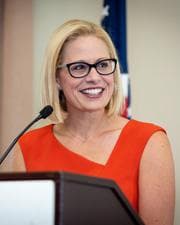
Kyrsten Sinema
Independent Representative
Arizona
Cosponsors (15)
Randy Hultgren (Republican)Bill Foster (Democratic)David Scott (Democratic)Carol Shea-Porter (Democratic)Bruce Poliquin (Republican)Carlos Curbelo (Republican)James B. Renacci (Republican)Luke Messer (Republican)James A. Himes (Democratic)Trey Hollingsworth (Republican)Denny Heck (Democratic)Dennis A. Ross (Republican)Bill Posey (Republican)Josh Gottheimer (Democratic)Ted Budd (Republican)
Financial Services Committee
- Introduced
- In Committee
- On Floor
- Passed Chamber
- Enacted
(This measure has not been amended since it was introduced. The summary has been expanded because action occurred on the measure.) Senior Safe Act of 2017 (Sec. 2) This bill extends immunity from liability to certain individuals who, in good faith and with reasonable care, disclose the suspected exploitation of a senior citizen to a regulatory or law-enforcement agency. Specifically, this immunity shall apply to certain credit-union, depository-institution, investment-adviser, broker-dealer, transfer-agency, insurance-company, and insurance-agency employees who have received specified training related to identifying and reporting the suspected exploitation of a senior citizen. Similarly, the employing financial institution shall not be liable with respect to disclosures made by such employees. (Sec. 3) The bill allows financial institutions and third-party entities to offer training related to the suspected financial exploitation of a senior citizen to specified employees. The bill provides guidance regarding the content, timing, and record-maintenance requirements of such training.
Suggested Questions
Get AI-generated questions to help you understand this bill better
Timeline
Introduced in House
Referred to the House Committee on Financial Services.
Committee Consideration and Mark-up Session Held.
Committee Consideration and Mark-up Session Held.
Ordered to be Reported by the Yeas and Nays: 60 - 0.
Placed on the Union Calendar, Calendar No. 314.
Reported by the Committee on Financial Services. H. Rept. 115-424.
Finance and Financial Sector
AgingBanking and financial institutions regulationCivil actions and liabilityEmployment discrimination and employee rightsFinancial services and investmentsFraud offenses and financial crimesInsurance industry and regulation
Senior Safe Act of 2017
USA115th CongressHR-3758| House
| Updated: 11/28/2017
(This measure has not been amended since it was introduced. The summary has been expanded because action occurred on the measure.) Senior Safe Act of 2017 (Sec. 2) This bill extends immunity from liability to certain individuals who, in good faith and with reasonable care, disclose the suspected exploitation of a senior citizen to a regulatory or law-enforcement agency. Specifically, this immunity shall apply to certain credit-union, depository-institution, investment-adviser, broker-dealer, transfer-agency, insurance-company, and insurance-agency employees who have received specified training related to identifying and reporting the suspected exploitation of a senior citizen. Similarly, the employing financial institution shall not be liable with respect to disclosures made by such employees. (Sec. 3) The bill allows financial institutions and third-party entities to offer training related to the suspected financial exploitation of a senior citizen to specified employees. The bill provides guidance regarding the content, timing, and record-maintenance requirements of such training.
Suggested Questions
Get AI-generated questions to help you understand this bill better
Timeline
Introduced in House
Referred to the House Committee on Financial Services.
Committee Consideration and Mark-up Session Held.
Committee Consideration and Mark-up Session Held.
Ordered to be Reported by the Yeas and Nays: 60 - 0.
Placed on the Union Calendar, Calendar No. 314.
Reported by the Committee on Financial Services. H. Rept. 115-424.
Kyrsten Sinema
Independent Representative
Arizona
Cosponsors (15)
Randy Hultgren (Republican)Bill Foster (Democratic)David Scott (Democratic)Carol Shea-Porter (Democratic)Bruce Poliquin (Republican)Carlos Curbelo (Republican)James B. Renacci (Republican)Luke Messer (Republican)James A. Himes (Democratic)Trey Hollingsworth (Republican)Denny Heck (Democratic)Dennis A. Ross (Republican)Bill Posey (Republican)Josh Gottheimer (Democratic)Ted Budd (Republican)
Financial Services Committee
Finance and Financial Sector
Related Bills
- HR 115-2255: To clarify that nonprofit organizations may accept donated mortgage appraisals, and for other purposes.
- S 115-223: A bill to provide immunity from suit for certain individuals who disclose potential examples of financial exploitation of senior citizens, and for other purposes.
- S 115-2155: Economic Growth, Regulatory Relief, and Consumer Protection Act
- Introduced
- In Committee
- On Floor
- Passed Chamber
- Enacted
AgingBanking and financial institutions regulationCivil actions and liabilityEmployment discrimination and employee rightsFinancial services and investmentsFraud offenses and financial crimesInsurance industry and regulation