To amend the Immigration and Nationality Act to make mandatory and permanent requirements relating to use of an electronic employment eligibility verification system, and for other purposes.
USA115th CongressHR-3711| House
| Updated: 10/25/2017
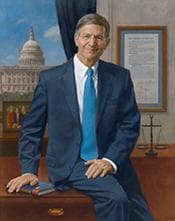
Lamar Smith
Republican Representative
Texas
Cosponsors (54)
Michael C. Burgess (Republican)Karen C. Handel (Republican)Steve Chabot (Republican)Robert Pittenger (Republican)Mo Brooks (Republican)Tom Cole (Republican)John R. Carter (Republican)Mark Meadows (Republican)Steven M. Palazzo (Republican)Alexander X. Mooney (Republican)Jim Banks (Republican)Andy Harris (Republican)Steve Stivers (Republican)Warren Davidson (Republican)John Ratcliffe (Republican)Neal P. Dunn (Republican)Tom McClintock (Republican)Pete Sessions (Republican)Leonard Lance (Republican)Jeff Duncan (Republican)Earl L. "Buddy" Carter (Republican)Dana Rohrabacher (Republican)Lou Barletta (Republican)Mike Bishop (Republican)Ken Calvert (Republican)Todd Rokita (Republican)Scott Perry (Republican)Lloyd Smucker (Republican)Luke Messer (Republican)Kenny Marchant (Republican)Jody B. Hice (Republican)Christopher H. Smith (Republican)Doug Lamborn (Republican)Steve King (Republican)Trey Gowdy (Republican)Daniel Webster (Republican)Larry Bucshon (Republican)Michael T. McCaul (Republican)Raul R. Labrador (Republican)Dave Brat (Republican)Mike Bost (Republican)Matt Gaetz (Republican)Bob Goodlatte (Republican)Randy K. Sr. Weber (Republican)Susan W. Brooks (Republican)Ralph Norman (Republican)Trent Franks (Republican)John J. Duncan (Republican)David P. Roe (Republican)Robert B. Aderholt (Republican)Brian Babin (Republican)Duncan D. Hunter (Republican)Francis Rooney (Republican)Vern Buchanan (Republican)
Ways and Means Committee, Judiciary Committee, Education and Workforce Committee, Immigration Integrity, Security, and Enforcement Subcommittee
- Introduced
- In Committee
- On Floor
- Passed Chamber
- Enacted
Legal Workforce Act This bill amends the Immigration and Nationality Act to direct the Department of Homeland Security (DHS) to establish an employment eligibility verification system (EEVS), patterned after the E-Verify system. An employer shall attest, during the verification period and under penalty of perjury, that the employer has verified that an individual is not an unauthorized alien. An individual shall attest that he or she is a U.S. citizen or national, a lawful permanent resident, or an alien authorized to work in the United States. The bill establishes a phased-in EEVS participation deadline for different categories of employers, including agricultural employers. The bill requires reverification of certain groups of workers who have not been verified under E-verify. An employer may voluntarily reverify employees. Employment recruitment and referral are included within the scope of EEVS. The bill sets forth provisions regarding: (1) an employer utilizing a good faith defense, (2) preemption of state or local law, (3) employer penalties, and (4) worker remedies for EEVS errors. DHS shall establish programs to: (1) block the use of misused social security numbers, (2) suspend or limit the use of social security account numbers of identity fraud victims, and (3) permit parents or legal guardians to suspend or limit the use of a minor's social security account number or other identifying information. DHS shall establish at least two Identity Authentication Employment Eligibility Verification pilot programs using distinct technologies to provide employers with identity authentication and employment verification of enrolled new employees.
View Full TextSuggested Questions
Get AI-generated questions to help you understand this bill better
Timeline
Introduced in House
Referred to the Committee on the Judiciary, and in addition to the Committees on Ways and Means, and Education and the Workforce, for a period to be subsequently determined by the Speaker, in each case for consideration of such provisions as fall within the jurisdiction of the committee concerned.
Referred to the Subcommittee on Immigration and Border Security.
Committee Consideration and Mark-up Session Held.
Ordered to be Reported (Amended) by the Yeas and Nays: 20 - 10.
Immigration
Administrative remediesBorder security and unlawful immigrationComputer security and identity theftDepartment of Homeland SecurityEmployee hiringExecutive agency funding and structureFederal preemptionForeign laborFraud offenses and financial crimesGovernment information and archivesGovernment studies and investigationsImmigration status and proceduresInternet and video servicesInternet, web applications, social mediaLicensing and registrationsMigrant, seasonal, agricultural laborPersonnel recordsPhotography and imagingPublic contracts and procurementState and local government operationsTelephone and wireless communicationVisas and passports
To amend the Immigration and Nationality Act to make mandatory and permanent requirements relating to use of an electronic employment eligibility verification system, and for other purposes.
USA115th CongressHR-3711| House
| Updated: 10/25/2017
Legal Workforce Act This bill amends the Immigration and Nationality Act to direct the Department of Homeland Security (DHS) to establish an employment eligibility verification system (EEVS), patterned after the E-Verify system. An employer shall attest, during the verification period and under penalty of perjury, that the employer has verified that an individual is not an unauthorized alien. An individual shall attest that he or she is a U.S. citizen or national, a lawful permanent resident, or an alien authorized to work in the United States. The bill establishes a phased-in EEVS participation deadline for different categories of employers, including agricultural employers. The bill requires reverification of certain groups of workers who have not been verified under E-verify. An employer may voluntarily reverify employees. Employment recruitment and referral are included within the scope of EEVS. The bill sets forth provisions regarding: (1) an employer utilizing a good faith defense, (2) preemption of state or local law, (3) employer penalties, and (4) worker remedies for EEVS errors. DHS shall establish programs to: (1) block the use of misused social security numbers, (2) suspend or limit the use of social security account numbers of identity fraud victims, and (3) permit parents or legal guardians to suspend or limit the use of a minor's social security account number or other identifying information. DHS shall establish at least two Identity Authentication Employment Eligibility Verification pilot programs using distinct technologies to provide employers with identity authentication and employment verification of enrolled new employees.
View Full TextSuggested Questions
Get AI-generated questions to help you understand this bill better
Timeline
Introduced in House
Referred to the Committee on the Judiciary, and in addition to the Committees on Ways and Means, and Education and the Workforce, for a period to be subsequently determined by the Speaker, in each case for consideration of such provisions as fall within the jurisdiction of the committee concerned.
Referred to the Subcommittee on Immigration and Border Security.
Committee Consideration and Mark-up Session Held.
Ordered to be Reported (Amended) by the Yeas and Nays: 20 - 10.
Lamar Smith
Republican Representative
Texas
Cosponsors (54)
Michael C. Burgess (Republican)Karen C. Handel (Republican)Steve Chabot (Republican)Robert Pittenger (Republican)Mo Brooks (Republican)Tom Cole (Republican)John R. Carter (Republican)Mark Meadows (Republican)Steven M. Palazzo (Republican)Alexander X. Mooney (Republican)Jim Banks (Republican)Andy Harris (Republican)Steve Stivers (Republican)Warren Davidson (Republican)John Ratcliffe (Republican)Neal P. Dunn (Republican)Tom McClintock (Republican)Pete Sessions (Republican)Leonard Lance (Republican)Jeff Duncan (Republican)Earl L. "Buddy" Carter (Republican)Dana Rohrabacher (Republican)Lou Barletta (Republican)Mike Bishop (Republican)Ken Calvert (Republican)Todd Rokita (Republican)Scott Perry (Republican)Lloyd Smucker (Republican)Luke Messer (Republican)Kenny Marchant (Republican)Jody B. Hice (Republican)Christopher H. Smith (Republican)Doug Lamborn (Republican)Steve King (Republican)Trey Gowdy (Republican)Daniel Webster (Republican)Larry Bucshon (Republican)Michael T. McCaul (Republican)Raul R. Labrador (Republican)Dave Brat (Republican)Mike Bost (Republican)Matt Gaetz (Republican)Bob Goodlatte (Republican)Randy K. Sr. Weber (Republican)Susan W. Brooks (Republican)Ralph Norman (Republican)Trent Franks (Republican)John J. Duncan (Republican)David P. Roe (Republican)Robert B. Aderholt (Republican)Brian Babin (Republican)Duncan D. Hunter (Republican)Francis Rooney (Republican)Vern Buchanan (Republican)
Ways and Means Committee, Judiciary Committee, Education and Workforce Committee, Immigration Integrity, Security, and Enforcement Subcommittee
Immigration
Related Bills
- HR 115-6417: To create a nonimmigrant H-2C work visa program for agricultural workers, to make mandatory and permanent requirements relating to use of an electronic employment eligibility verification system, and for other purposes.
- HR 115-4760: To amend the immigration laws and the homeland security laws, and for other purposes.
- HR 115-4340: To amend the Immigration and Nationality Act to eliminate the diversity immigrant program, to focus family-sponsored immigration on spouses and minor children, and make mandatory and permanent requirements relating to use of an electronic employment eligibility verification system.
- Introduced
- In Committee
- On Floor
- Passed Chamber
- Enacted
Administrative remediesBorder security and unlawful immigrationComputer security and identity theftDepartment of Homeland SecurityEmployee hiringExecutive agency funding and structureFederal preemptionForeign laborFraud offenses and financial crimesGovernment information and archivesGovernment studies and investigationsImmigration status and proceduresInternet and video servicesInternet, web applications, social mediaLicensing and registrationsMigrant, seasonal, agricultural laborPersonnel recordsPhotography and imagingPublic contracts and procurementState and local government operationsTelephone and wireless communicationVisas and passports