To provide for the overall health and well-being of young people, including the promotion of lifelong sexual health and healthy relationships, and for other purposes.
USA115th CongressHR-3602| House
| Updated: 8/4/2017
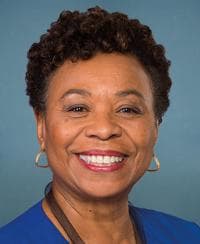
Barbara Lee
Democratic Representative
California
Cosponsors (71)
Dwight Evans (Democratic)Tim Ryan (Democratic)Ruben Gallego (Democratic)Jared Huffman (Democratic)Adam B. Schiff (Democratic)Robin L. Kelly (Democratic)Raúl M. Grijalva (Democratic)Mark Pocan (Democratic)Karen Bass (Democratic)David N. Cicilline (Democratic)Emanuel Cleaver (Democratic)Jackie Speier (Democratic)Kathleen M. Rice (Democratic)Darren Soto (Democratic)Carolyn B. Maloney (Democratic)Pete Aguilar (Democratic)Dina Titus (Democratic)Katherine M. Clark (Democratic)Steve Cohen (Democratic)Scott H. Peters (Democratic)Paul Tonko (Democratic)Rosa L. DeLauro (Democratic)Michael E. Capuano (Democratic)Danny K. Davis (Democratic)Lucille Roybal-Allard (Democratic)Peter A. DeFazio (Democratic)Ro Khanna (Democratic)Elizabeth H. Esty (Democratic)Alan S. Lowenthal (Democratic)Sean Patrick Maloney (Democratic)Mark DeSaulnier (Democratic)Keith Ellison (Democratic)Joseph D. Morelle (Democratic)John Conyers (Democratic)Doris O. Matsui (Democratic)David E. Price (Democratic)Jerrold Nadler (Democratic)Theodore E. Deutch (Democratic)Sander M. Levin (Democratic)John Lewis (Democratic)Alma S. Adams (Democratic)Mark Takano (Democratic)Pramila Jayapal (Democratic)Betty McCollum (Democratic)Eleanor Holmes Norton (Democratic)Salud O. Carbajal (Democratic)Jamie Raskin (Democratic)Ruben J. Kihuen (Democratic)Lois Frankel (Democratic)Louise McIntosh Slaughter (Democratic)Diana DeGette (Democratic)Janice D. Schakowsky (Democratic)James P. McGovern (Democratic)Adam Smith (Democratic)Joseph Crowley (Democratic)Jerry McNerney (Democratic)Beto O'Rourke (Democratic)Yvette D. Clarke (Democratic)Rick Larsen (Democratic)Jose E. Serrano (Democratic)Peter Welch (Democratic)Earl Blumenauer (Democratic)Charlie Crist (Democratic)Suzanne Bonamici (Democratic)Ed Perlmutter (Democratic)Gwen Moore (Democratic)Alcee L. Hastings (Democratic)Debbie Wasserman Schultz (Democratic)Bill Pascrell (Democratic)Colleen Hanabusa (Democratic)Judy Chu (Democratic)
Health Subcommittee, Energy and Commerce Committee, Education and Workforce Committee
- Introduced
- In Committee
- On Floor
- Passed Chamber
- Enacted
Real Education for Healthy Youth Act of 2017 This bill requires the Department of Health and Human Services (HHS), in coordination with the Department of Education, to award grants for: (1) comprehensive sex education for adolescents, (2) comprehensive sex education provided by institutions of higher education, and (3) training faculty and staff to teach comprehensive sex education to adolescents. HHS must enter a contract with a nonprofit organization to evaluate and report on these grants. The bill makes appropriations to carry out the the bill. Grants may not be used for health education programs that: withhold health-promoting or lifesaving information about sexuality-related topics, including HIV; are medically inaccurate or have been scientifically shown to be ineffective; promote gender or racial stereotypes; are insensitive and unresponsive to the needs of certain youth, including survivors of sexual abuse or assault, sexually active youth, pregnant or parenting youth, or individuals with varying gender identities or sexual orientations; or are inconsistent with the ethical imperatives of medicine and public health. The bill amends the Public Health Service Act to revise requirements and eliminate prohibitions regarding the content of educational programs funded through the AIDS prevention program. The bill amends the Elementary and Secondary Education Act of 1965 to allow funding to be used for: (1) materials or programs that promote or encourage sexual activity, and (2) contraceptive distribution in schools. The bill amends title V (Maternal and Child Health Services) of the Social Security Act to repeal the program for abstinence education. Unobligated funds for abstinence education are transferred and made available to carry out this bill.
View Full TextSuggested Questions
Get AI-generated questions to help you understand this bill better
Timeline
Introduced in House
Referred to the Committee on Energy and Commerce, and in addition to the Committee on Education and the Workforce, for a period to be subsequently determined by the Speaker, in each case for consideration of such provisions as fall within the jurisdiction of the committee concerned.
Referred to the Subcommittee on Health.
Health
Alaska Natives and HawaiiansAppropriationsChild care and developmentChild healthEducation of the disadvantagedEducation programs fundingElementary and secondary educationFamily planning and birth controlFamily relationshipsHealth programs administration and fundingHealth promotion and preventive careHigher educationHIV/AIDSIndian social and development programsMedical researchMinority educationSex and reproductive healthSex, gender, sexual orientation discriminationSexually transmitted diseasesTeaching, teachers, curriculaWomen's health
To provide for the overall health and well-being of young people, including the promotion of lifelong sexual health and healthy relationships, and for other purposes.
USA115th CongressHR-3602| House
| Updated: 8/4/2017
Real Education for Healthy Youth Act of 2017 This bill requires the Department of Health and Human Services (HHS), in coordination with the Department of Education, to award grants for: (1) comprehensive sex education for adolescents, (2) comprehensive sex education provided by institutions of higher education, and (3) training faculty and staff to teach comprehensive sex education to adolescents. HHS must enter a contract with a nonprofit organization to evaluate and report on these grants. The bill makes appropriations to carry out the the bill. Grants may not be used for health education programs that: withhold health-promoting or lifesaving information about sexuality-related topics, including HIV; are medically inaccurate or have been scientifically shown to be ineffective; promote gender or racial stereotypes; are insensitive and unresponsive to the needs of certain youth, including survivors of sexual abuse or assault, sexually active youth, pregnant or parenting youth, or individuals with varying gender identities or sexual orientations; or are inconsistent with the ethical imperatives of medicine and public health. The bill amends the Public Health Service Act to revise requirements and eliminate prohibitions regarding the content of educational programs funded through the AIDS prevention program. The bill amends the Elementary and Secondary Education Act of 1965 to allow funding to be used for: (1) materials or programs that promote or encourage sexual activity, and (2) contraceptive distribution in schools. The bill amends title V (Maternal and Child Health Services) of the Social Security Act to repeal the program for abstinence education. Unobligated funds for abstinence education are transferred and made available to carry out this bill.
View Full TextSuggested Questions
Get AI-generated questions to help you understand this bill better
Timeline
Introduced in House
Referred to the Committee on Energy and Commerce, and in addition to the Committee on Education and the Workforce, for a period to be subsequently determined by the Speaker, in each case for consideration of such provisions as fall within the jurisdiction of the committee concerned.
Referred to the Subcommittee on Health.
Barbara Lee
Democratic Representative
California
Cosponsors (71)
Dwight Evans (Democratic)Tim Ryan (Democratic)Ruben Gallego (Democratic)Jared Huffman (Democratic)Adam B. Schiff (Democratic)Robin L. Kelly (Democratic)Raúl M. Grijalva (Democratic)Mark Pocan (Democratic)Karen Bass (Democratic)David N. Cicilline (Democratic)Emanuel Cleaver (Democratic)Jackie Speier (Democratic)Kathleen M. Rice (Democratic)Darren Soto (Democratic)Carolyn B. Maloney (Democratic)Pete Aguilar (Democratic)Dina Titus (Democratic)Katherine M. Clark (Democratic)Steve Cohen (Democratic)Scott H. Peters (Democratic)Paul Tonko (Democratic)Rosa L. DeLauro (Democratic)Michael E. Capuano (Democratic)Danny K. Davis (Democratic)Lucille Roybal-Allard (Democratic)Peter A. DeFazio (Democratic)Ro Khanna (Democratic)Elizabeth H. Esty (Democratic)Alan S. Lowenthal (Democratic)Sean Patrick Maloney (Democratic)Mark DeSaulnier (Democratic)Keith Ellison (Democratic)Joseph D. Morelle (Democratic)John Conyers (Democratic)Doris O. Matsui (Democratic)David E. Price (Democratic)Jerrold Nadler (Democratic)Theodore E. Deutch (Democratic)Sander M. Levin (Democratic)John Lewis (Democratic)Alma S. Adams (Democratic)Mark Takano (Democratic)Pramila Jayapal (Democratic)Betty McCollum (Democratic)Eleanor Holmes Norton (Democratic)Salud O. Carbajal (Democratic)Jamie Raskin (Democratic)Ruben J. Kihuen (Democratic)Lois Frankel (Democratic)Louise McIntosh Slaughter (Democratic)Diana DeGette (Democratic)Janice D. Schakowsky (Democratic)James P. McGovern (Democratic)Adam Smith (Democratic)Joseph Crowley (Democratic)Jerry McNerney (Democratic)Beto O'Rourke (Democratic)Yvette D. Clarke (Democratic)Rick Larsen (Democratic)Jose E. Serrano (Democratic)Peter Welch (Democratic)Earl Blumenauer (Democratic)Charlie Crist (Democratic)Suzanne Bonamici (Democratic)Ed Perlmutter (Democratic)Gwen Moore (Democratic)Alcee L. Hastings (Democratic)Debbie Wasserman Schultz (Democratic)Bill Pascrell (Democratic)Colleen Hanabusa (Democratic)Judy Chu (Democratic)
Health Subcommittee, Energy and Commerce Committee, Education and Workforce Committee
Health
Related Bills
- S 115-3660: A bill to improve the health of minority individuals, and for other purposes.
- S 115-1653: A bill to provide for the overall health and well-being of young people, including the promotion of lifelong sexual health and healthy relationships, and for other purposes.
- HR 115-5942: To improve the health of minority individuals, and for other purposes.
- Introduced
- In Committee
- On Floor
- Passed Chamber
- Enacted
Alaska Natives and HawaiiansAppropriationsChild care and developmentChild healthEducation of the disadvantagedEducation programs fundingElementary and secondary educationFamily planning and birth controlFamily relationshipsHealth programs administration and fundingHealth promotion and preventive careHigher educationHIV/AIDSIndian social and development programsMedical researchMinority educationSex and reproductive healthSex, gender, sexual orientation discriminationSexually transmitted diseasesTeaching, teachers, curriculaWomen's health