To amend title 18, United States Code, to make it a criminal offense to knowingly make a request to access classified information concerning a United States person to be unminimized pursuant to the Foreign Intelligence Surveillance Act for a reason other than an authorized reason under that Act, and for other purposes.
USA115th CongressHR-3585| House
| Updated: 9/6/2017
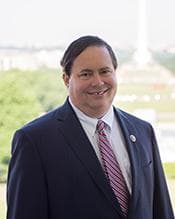
Blake Farenthold
Republican Representative
Texas
Cosponsors (1)
Crime and Federal Government Surveillance Subcommittee, Judiciary Committee
- Introduced
- In Committee
- On Floor
- Passed Chamber
- Enacted
Wrongful Unmasking Prevention Act This bill amends the federal criminal code to establish new criminal offenses: for knowingly making a request to unminimize (i.e., unmask) nonpublic information concerning a U.S. person to access classified information for a reason other than to understand or assess foreign intelligence information, or to determine whether classified information is evidence of a crime; and for intentionally, knowingly, or negligently disclosing classified information to an unauthorized person.
View Full TextSuggested Questions
Get AI-generated questions to help you understand this bill better
Timeline
Introduced in House
Referred to the House Committee on the Judiciary.
Referred to the Subcommittee on Crime, Terrorism, Homeland Security, and Investigations.
Crime and Law Enforcement
Intelligence activities, surveillance, classified information
To amend title 18, United States Code, to make it a criminal offense to knowingly make a request to access classified information concerning a United States person to be unminimized pursuant to the Foreign Intelligence Surveillance Act for a reason other than an authorized reason under that Act, and for other purposes.
USA115th CongressHR-3585| House
| Updated: 9/6/2017
Wrongful Unmasking Prevention Act This bill amends the federal criminal code to establish new criminal offenses: for knowingly making a request to unminimize (i.e., unmask) nonpublic information concerning a U.S. person to access classified information for a reason other than to understand or assess foreign intelligence information, or to determine whether classified information is evidence of a crime; and for intentionally, knowingly, or negligently disclosing classified information to an unauthorized person.
View Full TextSuggested Questions
Get AI-generated questions to help you understand this bill better
Timeline
Introduced in House
Referred to the House Committee on the Judiciary.
Referred to the Subcommittee on Crime, Terrorism, Homeland Security, and Investigations.
Blake Farenthold
Republican Representative
Texas
Cosponsors (1)
Crime and Federal Government Surveillance Subcommittee, Judiciary Committee
Crime and Law Enforcement
- Introduced
- In Committee
- On Floor
- Passed Chamber
- Enacted
Intelligence activities, surveillance, classified information