To provide for programs to help reduce the risk that prisoners will recidivate upon release from prison, and for other purposes.
USA115th CongressHR-3356| House
| Updated: 9/6/2017
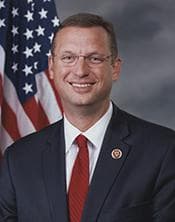
Doug Collins
Republican Representative
Georgia
Cosponsors (21)
Karen C. Handel (Republican)Mia B. Love (Republican)Tim Ryan (Democratic)F. James Sensenbrenner (Republican)Karen Bass (Democratic)Joyce Beatty (Democratic)David N. Cicilline (Democratic)Sheila Jackson Lee (Democratic)Steve Cohen (Democratic)Carlos Curbelo (Republican)Todd Rokita (Republican)Darrell Issa (Republican)Fred Upton (Republican)John Conyers (Democratic)Hakeem S. Jeffries (Democratic)Pramila Jayapal (Democratic)Mark Walker (Republican)Tom Marino (Republican)Cedric L. Richmond (Democratic)Bob Goodlatte (Republican)Cathy McMorris Rodgers (Republican)
Crime and Federal Government Surveillance Subcommittee, Judiciary Committee
- Introduced
- In Committee
- On Floor
- Passed Chamber
- Enacted
Prison Reform and Redemption Act This bill directs the Department of Justice to develop the Post-Sentencing Risk and Needs Assessment System for use by the Bureau of Prisons (BOP) to assess prisoner recidivism risk; guide housing, grouping, and program assignments; and incentivize and reward participation in and completion of recidivism reduction programs and productive activities. It amends the federal criminal code to: require the BOP to implement the Post-Sentencing Risk and Needs Assessment System; establish prerelease custody procedures for prisoners who, among other things, earn time credits for successfully completing recidivism reduction programs or productive activities; prohibit, subject to specified exceptions, the use of restraints on federal prisoners who are pregnant or in postpartum recovery; and broaden the duties of probation and pretrial services officers to include court-directed supervision of sex offenders conditionally released from civil commitment. The BOP must: incorporate de-escalation techniques into its training programs; report on its ability to treat heroin and opioid abuse through medication-assisted treatment; establish pilot programs on youth mentorship and service to abandoned, rescued, or vulnerable animals; and designate a release preparation coordinator at each facility that houses prisoners. The bill prohibits monitoring the contents of an electronic communication between a prisoner at a BOP facility and the prisoner's attorney. It amends the Second Chance Act of 2007 to reauthorize through FY2022 and modify eligibility criteria for an elderly offender early release pilot program. Lieutenant Osvaldo Albarati Correctional Officer Self-Protection Act of 2017 The bill amends the federal criminal code to require the BOP to allow federal correctional officers to securely store and carry concealed firearms on BOP premises outside the security perimeter of a prison.
View Full TextSuggested Questions
Get AI-generated questions to help you understand this bill better
Timeline
Introduced in House
Referred to the House Committee on the Judiciary.
Referred to the Subcommittee on Crime, Terrorism, Homeland Security, and Investigations.
Crime and Law Enforcement
Animal protection and human-animal relationshipsCongressional oversightCorrectional facilities and imprisonmentCriminal justice information and recordsCriminal procedure and sentencingDetention of personsDrug, alcohol, tobacco useDrug therapyDrug trafficking and controlled substancesEducational technology and distance educationElementary and secondary educationFamily relationshipsFirearms and explosivesForeign language and bilingual programsHealth information and medical recordsImmigration status and proceduresJuvenile crime and gang violenceLaw enforcement administration and fundingLaw enforcement officersLawyers and legal servicesReligionRight of privacySex offensesSocial work, volunteer service, charitable organizationsVeterans' education, employment, rehabilitationWomen's health
To provide for programs to help reduce the risk that prisoners will recidivate upon release from prison, and for other purposes.
USA115th CongressHR-3356| House
| Updated: 9/6/2017
Prison Reform and Redemption Act This bill directs the Department of Justice to develop the Post-Sentencing Risk and Needs Assessment System for use by the Bureau of Prisons (BOP) to assess prisoner recidivism risk; guide housing, grouping, and program assignments; and incentivize and reward participation in and completion of recidivism reduction programs and productive activities. It amends the federal criminal code to: require the BOP to implement the Post-Sentencing Risk and Needs Assessment System; establish prerelease custody procedures for prisoners who, among other things, earn time credits for successfully completing recidivism reduction programs or productive activities; prohibit, subject to specified exceptions, the use of restraints on federal prisoners who are pregnant or in postpartum recovery; and broaden the duties of probation and pretrial services officers to include court-directed supervision of sex offenders conditionally released from civil commitment. The BOP must: incorporate de-escalation techniques into its training programs; report on its ability to treat heroin and opioid abuse through medication-assisted treatment; establish pilot programs on youth mentorship and service to abandoned, rescued, or vulnerable animals; and designate a release preparation coordinator at each facility that houses prisoners. The bill prohibits monitoring the contents of an electronic communication between a prisoner at a BOP facility and the prisoner's attorney. It amends the Second Chance Act of 2007 to reauthorize through FY2022 and modify eligibility criteria for an elderly offender early release pilot program. Lieutenant Osvaldo Albarati Correctional Officer Self-Protection Act of 2017 The bill amends the federal criminal code to require the BOP to allow federal correctional officers to securely store and carry concealed firearms on BOP premises outside the security perimeter of a prison.
View Full TextSuggested Questions
Get AI-generated questions to help you understand this bill better
Timeline
Introduced in House
Referred to the House Committee on the Judiciary.
Referred to the Subcommittee on Crime, Terrorism, Homeland Security, and Investigations.
Doug Collins
Republican Representative
Georgia
Cosponsors (21)
Karen C. Handel (Republican)Mia B. Love (Republican)Tim Ryan (Democratic)F. James Sensenbrenner (Republican)Karen Bass (Democratic)Joyce Beatty (Democratic)David N. Cicilline (Democratic)Sheila Jackson Lee (Democratic)Steve Cohen (Democratic)Carlos Curbelo (Republican)Todd Rokita (Republican)Darrell Issa (Republican)Fred Upton (Republican)John Conyers (Democratic)Hakeem S. Jeffries (Democratic)Pramila Jayapal (Democratic)Mark Walker (Republican)Tom Marino (Republican)Cedric L. Richmond (Democratic)Bob Goodlatte (Republican)Cathy McMorris Rodgers (Republican)
Crime and Federal Government Surveillance Subcommittee, Judiciary Committee
Crime and Law Enforcement
Related Bills
- S 115-1084: A bill to amend title 18, United States Code, to require that the Director of the Bureau of Prisons ensure that each chief executive officer of a Federal penal or correctional institution provides a secure storage area located outside of the secure perimeter of the Federal penal or correctional institution for firearms carried by certain employees of the Bureau of Prisons, and for other purposes.
- HR 115-613: Lieutenant Osvaldo Albarati Correctional Officer Self-Protection Act of 2017
- HR 115-956: To regulate monitoring of electronic communications between a prisoner in a Bureau of Prisons facility and that prisoner's attorney or other legal representative, and for other purposes.
- Introduced
- In Committee
- On Floor
- Passed Chamber
- Enacted
Animal protection and human-animal relationshipsCongressional oversightCorrectional facilities and imprisonmentCriminal justice information and recordsCriminal procedure and sentencingDetention of personsDrug, alcohol, tobacco useDrug therapyDrug trafficking and controlled substancesEducational technology and distance educationElementary and secondary educationFamily relationshipsFirearms and explosivesForeign language and bilingual programsHealth information and medical recordsImmigration status and proceduresJuvenile crime and gang violenceLaw enforcement administration and fundingLaw enforcement officersLawyers and legal servicesReligionRight of privacySex offensesSocial work, volunteer service, charitable organizationsVeterans' education, employment, rehabilitationWomen's health