To amend chapter 6 of title 5, United States Code (commonly known as the Regulatory Flexibility Act), to ensure complete analysis of potential impacts on small entities of rules, and for other purposes.
USA115th CongressHR-33| House
| Updated: 3/29/2017
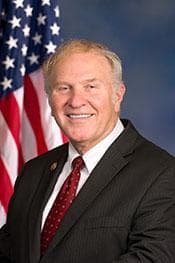
Steve Chabot
Republican Representative
Ohio
Cosponsors (16)
Mia B. Love (Republican)Trent Kelly (Republican)Randy Hultgren (Republican)Steve Stivers (Republican)Pete Sessions (Republican)Carlos Curbelo (Republican)Lloyd Smucker (Republican)Steve King (Republican)Stephen Knight (Republican)Blaine Luetkemeyer (Republican)Henry Cuellar (Democratic)Tom Marino (Republican)Aumua Amata Coleman Radewagen (Republican)Sam Graves (Republican)Bob Goodlatte (Republican)Scott R. Tipton (Republican)
Administrative State, Regulatory Reform, and Antitrust Subcommittee, Small Business Committee, Small Business and Entrepreneurship Committee, Judiciary Committee
- Introduced
- In Committee
- On Floor
- Passed Chamber
- Enacted
Small Business Regulatory Flexibility Improvements Act of 2017 This bill modifies the rulemaking requirements and procedures of federal agencies (excluding Congress, U.S. courts, U.S. territories and possessions, and the District of Columbia) under the Regulatory Flexibility Act of 1980 (RFA) and the Small Business Regulatory Enforcement Fairness Act of 1996 (SBREFA). The definition of "rule" under the RFA is expanded to include all agency rules, except for: (1) rules that pertain to the protection of the rights of and benefits for veterans or that impose limitations on the cost and terms of consumer credit extended to service members and their dependents, or (2) rules of particular (and not general) applicability relating to rates, wages, and other financial indicators. Under a new definition of "economic impact," agencies are required to consider any direct economic effect of a proposed rule on small entities and any indirect economic effect on small entities that is reasonably foreseeable and that results from such rule. Under the bill, agencies are required to modify their rulemaking procedures to: include within initial and final regulatory flexibility analyses a detailed statement of information relating to a proposed rule; include in the agency regulatory flexibility agenda a description of the sector of the North American Industrial Classification System that is affected by a proposed agency rule that is likely to have a significant economic impact of a substantial number of small entities; require each initial regulatory flexibility analysis to contain detailed information about a proposed rule, including why agency action is being considered, the objectives and legal basis for the proposed rule, and an estimate of the number and types of small entities to which the proposed rule will apply; eliminate waivers or delays of an initial regulatory flexibility analysis; modify the procedures for participation of small entities in the promulgation of a proposed rule and the review panel advocacy process; and publish a plan for the periodic review of existing rules and new rules that have a significant impact on a substantial number of small entities to determine whether such rules should be continued, changed, or rescinded. Judicial review of an agency final rule for compliance with RFA requirements is allowed after the publication of such rule, instead of after completion of the rulemaking process. The Small Business Act is amended to authorize the Chief Counsel for Advocacy of the Small Business Administration (SBA) to make small business size-standard determinations for all purposes other than for the purposes of such Act or the Small Business Investment Act of 1958. SBREFA is amended to require agencies, in preparing small entity compliance guides, to solicit input from affected small entities or associations of small entities. The Government Accountability Office must complete and publish a study that examines whether the SBA Chief Counsel for Advocacy has the capacity and resources to carry out duties under this bill.
View Full TextSuggested Questions
Get AI-generated questions to help you understand this bill better
Timeline
Introduced in House
Referred to the Committee on the Judiciary, and in addition to the Committee on Small Business, for a period to be subsequently determined by the Speaker, in each case for consideration of such provisions as fall within the jurisdiction of the committee concerned.
Referred to the Subcommittee on Regulatory Reform, Commercial And Antitrust Law.
Committee on Small Business and Entrepreneurship. Hearings held. Hearings printed: S.Hrg. 115-21.
Government Operations and Politics
Administrative law and regulatory proceduresAdministrative remediesBusiness recordsCivil actions and liabilityCompetitiveness, trade promotion, trade deficitsCongressional oversightEconomic performance and conditionsFederal appellate courtsFederal-Indian relationsForests, forestry, treesGovernment information and archivesGovernment studies and investigationsIndustrial policy and productivityJudicial review and appealsJurisdiction and venueLand use and conservationSmall businessSmall Business AdministrationTax administration and collection, taxpayers
To amend chapter 6 of title 5, United States Code (commonly known as the Regulatory Flexibility Act), to ensure complete analysis of potential impacts on small entities of rules, and for other purposes.
USA115th CongressHR-33| House
| Updated: 3/29/2017
Small Business Regulatory Flexibility Improvements Act of 2017 This bill modifies the rulemaking requirements and procedures of federal agencies (excluding Congress, U.S. courts, U.S. territories and possessions, and the District of Columbia) under the Regulatory Flexibility Act of 1980 (RFA) and the Small Business Regulatory Enforcement Fairness Act of 1996 (SBREFA). The definition of "rule" under the RFA is expanded to include all agency rules, except for: (1) rules that pertain to the protection of the rights of and benefits for veterans or that impose limitations on the cost and terms of consumer credit extended to service members and their dependents, or (2) rules of particular (and not general) applicability relating to rates, wages, and other financial indicators. Under a new definition of "economic impact," agencies are required to consider any direct economic effect of a proposed rule on small entities and any indirect economic effect on small entities that is reasonably foreseeable and that results from such rule. Under the bill, agencies are required to modify their rulemaking procedures to: include within initial and final regulatory flexibility analyses a detailed statement of information relating to a proposed rule; include in the agency regulatory flexibility agenda a description of the sector of the North American Industrial Classification System that is affected by a proposed agency rule that is likely to have a significant economic impact of a substantial number of small entities; require each initial regulatory flexibility analysis to contain detailed information about a proposed rule, including why agency action is being considered, the objectives and legal basis for the proposed rule, and an estimate of the number and types of small entities to which the proposed rule will apply; eliminate waivers or delays of an initial regulatory flexibility analysis; modify the procedures for participation of small entities in the promulgation of a proposed rule and the review panel advocacy process; and publish a plan for the periodic review of existing rules and new rules that have a significant impact on a substantial number of small entities to determine whether such rules should be continued, changed, or rescinded. Judicial review of an agency final rule for compliance with RFA requirements is allowed after the publication of such rule, instead of after completion of the rulemaking process. The Small Business Act is amended to authorize the Chief Counsel for Advocacy of the Small Business Administration (SBA) to make small business size-standard determinations for all purposes other than for the purposes of such Act or the Small Business Investment Act of 1958. SBREFA is amended to require agencies, in preparing small entity compliance guides, to solicit input from affected small entities or associations of small entities. The Government Accountability Office must complete and publish a study that examines whether the SBA Chief Counsel for Advocacy has the capacity and resources to carry out duties under this bill.
View Full TextSuggested Questions
Get AI-generated questions to help you understand this bill better
Timeline
Introduced in House
Referred to the Committee on the Judiciary, and in addition to the Committee on Small Business, for a period to be subsequently determined by the Speaker, in each case for consideration of such provisions as fall within the jurisdiction of the committee concerned.
Referred to the Subcommittee on Regulatory Reform, Commercial And Antitrust Law.
Committee on Small Business and Entrepreneurship. Hearings held. Hearings printed: S.Hrg. 115-21.
Steve Chabot
Republican Representative
Ohio
Cosponsors (16)
Mia B. Love (Republican)Trent Kelly (Republican)Randy Hultgren (Republican)Steve Stivers (Republican)Pete Sessions (Republican)Carlos Curbelo (Republican)Lloyd Smucker (Republican)Steve King (Republican)Stephen Knight (Republican)Blaine Luetkemeyer (Republican)Henry Cuellar (Democratic)Tom Marino (Republican)Aumua Amata Coleman Radewagen (Republican)Sam Graves (Republican)Bob Goodlatte (Republican)Scott R. Tipton (Republican)
Administrative State, Regulatory Reform, and Antitrust Subcommittee, Small Business Committee, Small Business and Entrepreneurship Committee, Judiciary Committee
Government Operations and Politics
Related Bills
- Introduced
- In Committee
- On Floor
- Passed Chamber
- Enacted
Administrative law and regulatory proceduresAdministrative remediesBusiness recordsCivil actions and liabilityCompetitiveness, trade promotion, trade deficitsCongressional oversightEconomic performance and conditionsFederal appellate courtsFederal-Indian relationsForests, forestry, treesGovernment information and archivesGovernment studies and investigationsIndustrial policy and productivityJudicial review and appealsJurisdiction and venueLand use and conservationSmall businessSmall Business AdministrationTax administration and collection, taxpayers