To amend title XXVII of the Public Health Service Act to limit co-payment, coinsurance, or other cost-sharing requirements applicable to prescription drugs in a specialty drug tier to the dollar amount (or its equivalent) of such requirements applicable to prescription drugs in a non-preferred brand drug tier, and for other purposes.
USA115th CongressHR-2999| House
| Updated: 6/23/2017
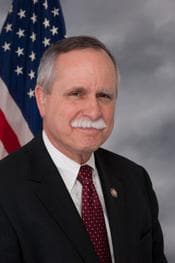
David B. McKinley
Republican Representative
West Virginia
Cosponsors (35)
David Loebsack (Democratic)Tim Ryan (Democratic)F. James Sensenbrenner (Republican)Tom O'Halleran (Democratic)Steven M. Palazzo (Republican)Adam B. Schiff (Democratic)Mark Pocan (Democratic)Peter T. King (Republican)James R. Langevin (Democratic)David N. Cicilline (Democratic)Jackie Speier (Democratic)Kathleen M. Rice (Democratic)Carolyn B. Maloney (Democratic)Robert J. Wittman (Republican)Pete Aguilar (Democratic)Katherine M. Clark (Democratic)Steve Cohen (Democratic)Lou Barletta (Republican)Peter A. DeFazio (Democratic)Daniel T. Kildee (Democratic)Christopher H. Smith (Republican)Keith Ellison (Democratic)G. K. Butterfield (Democratic)Anna G. Eshoo (Democratic)Mark Takano (Democratic)Jamie Raskin (Democratic)Louise McIntosh Slaughter (Democratic)James P. McGovern (Democratic)Earl Blumenauer (Democratic)Rodney P. Frelinghuysen (Republican)Suzanne Bonamici (Democratic)Gerald E. Connolly (Democratic)Barbara Comstock (Republican)Chellie Pingree (Democratic)Grace F. Napolitano (Democratic)
Health Subcommittee, Energy and Commerce Committee
- Introduced
- In Committee
- On Floor
- Passed Chamber
- Enacted
Patients' Access to Treatments Act of 2017 This bill amends the Public Health Service Act to establish cost sharing limits for health plans that cover prescription drugs and use a formulary or other tiered cost sharing structure. Such health plans may not impose higher cost sharing requirements, including copayment and coinsurance, for specialty drugs than for other prescription drugs in a nonpreferred brand name drug tier. If a health plan's formulary contains more than one nonpreferred brand name drug tier, the tier with the lowest cost sharing applies.
View Full TextSuggested Questions
Get AI-generated questions to help you understand this bill better
Timeline
Introduced in House
Referred to the House Committee on Energy and Commerce.
Referred to the Subcommittee on Health.
Health
Employee benefits and pensionsHealth care costs and insurancePrescription drugs
To amend title XXVII of the Public Health Service Act to limit co-payment, coinsurance, or other cost-sharing requirements applicable to prescription drugs in a specialty drug tier to the dollar amount (or its equivalent) of such requirements applicable to prescription drugs in a non-preferred brand drug tier, and for other purposes.
USA115th CongressHR-2999| House
| Updated: 6/23/2017
Patients' Access to Treatments Act of 2017 This bill amends the Public Health Service Act to establish cost sharing limits for health plans that cover prescription drugs and use a formulary or other tiered cost sharing structure. Such health plans may not impose higher cost sharing requirements, including copayment and coinsurance, for specialty drugs than for other prescription drugs in a nonpreferred brand name drug tier. If a health plan's formulary contains more than one nonpreferred brand name drug tier, the tier with the lowest cost sharing applies.
View Full TextSuggested Questions
Get AI-generated questions to help you understand this bill better
Timeline
Introduced in House
Referred to the House Committee on Energy and Commerce.
Referred to the Subcommittee on Health.
David B. McKinley
Republican Representative
West Virginia
Cosponsors (35)
David Loebsack (Democratic)Tim Ryan (Democratic)F. James Sensenbrenner (Republican)Tom O'Halleran (Democratic)Steven M. Palazzo (Republican)Adam B. Schiff (Democratic)Mark Pocan (Democratic)Peter T. King (Republican)James R. Langevin (Democratic)David N. Cicilline (Democratic)Jackie Speier (Democratic)Kathleen M. Rice (Democratic)Carolyn B. Maloney (Democratic)Robert J. Wittman (Republican)Pete Aguilar (Democratic)Katherine M. Clark (Democratic)Steve Cohen (Democratic)Lou Barletta (Republican)Peter A. DeFazio (Democratic)Daniel T. Kildee (Democratic)Christopher H. Smith (Republican)Keith Ellison (Democratic)G. K. Butterfield (Democratic)Anna G. Eshoo (Democratic)Mark Takano (Democratic)Jamie Raskin (Democratic)Louise McIntosh Slaughter (Democratic)James P. McGovern (Democratic)Earl Blumenauer (Democratic)Rodney P. Frelinghuysen (Republican)Suzanne Bonamici (Democratic)Gerald E. Connolly (Democratic)Barbara Comstock (Republican)Chellie Pingree (Democratic)Grace F. Napolitano (Democratic)
Health Subcommittee, Energy and Commerce Committee
Health
- Introduced
- In Committee
- On Floor
- Passed Chamber
- Enacted
Employee benefits and pensionsHealth care costs and insurancePrescription drugs