To provide for an annual adjustment of the number of admissible refugees, and for other purposes.
USA115th CongressHR-2826| House
| Updated: 6/28/2017
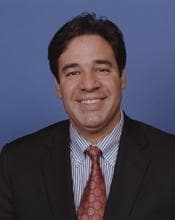
Raul R. Labrador
Republican Representative
Idaho
Cosponsors (14)
Lamar Smith (Republican)Michael C. Burgess (Republican)Mo Brooks (Republican)F. James Sensenbrenner (Republican)Pete Olson (Republican)Jim Banks (Republican)Kristi L. Noem (Republican)John Ratcliffe (Republican)Doug Collins (Republican)Earl L. "Buddy" Carter (Republican)Kevin Cramer (Republican)Dave Brat (Republican)Bob Goodlatte (Republican)Francis Rooney (Republican)
Judiciary Committee, Immigration Integrity, Security, and Enforcement Subcommittee
- Introduced
- In Committee
- On Floor
- Passed Chamber
- Enacted
Refugee Program Integrity Restoration Act of 2017 This bill amends the Immigration and Nationality Act to: (1) establish the number of annual refugee admissions at 50,000, (2) authorize the President to submit an adjustment recommendation to Congress for approval based upon humanitarian or national interest concerns, and (3) provide that the President must submit emergency refugee admission recommendations to Congress for approval. The President shall (currently, may) terminate the refugee status of a person not entitled to such status. Refugee status is terminated for an individual who applied for such status because of persecution or a well-founded fear of persecution in the country from which he or she sought refuge on account of race, religion, nationality, membership in a particular social group, or political opinion, but who has returned to such country absent changed conditions. The Department of Homeland Security (DHS) shall, when processing refugee applications from individuals seeking refuge from a "country of particular concern," grant priority to minority religion applicants whose claims are based on persecution because of their religion. DHS may conduct recurrent background security checks of an admitted refugee until the refugee adjusts to permanent resident status. Waiver authorities are limited with respect to refugee inadmissibility and permanent resident status adjustment. With respect to refugee status adjustment to permanent resident: (1) required U.S. residency is increased to three years; (2) an in-person DHS interview is required; (3) five-year reexaminations are required for a refugee whose status adjustment is refused; and (4) deportability grounds, with an exception for public charge grounds, shall be grounds for refusal of status adjustment. Resettlement of any refugee may not be provided for in any state or locality in which the governor, chief executive, or legislature has taken action disapproving such resettlement. U.S. Citizenship and Immigration Services (USCIS) shall complete a refugee processing fraud study. DHS shall: (1) establish a program to detect the use of fraudulent documents in refugee admissions applications, which shall include placement of fraud detection officers at screening locations; and (2) use digital recording technology to record USCIS refugee interviews. A person may not be considered a refugee if such person fled from violence in his or her country of nationality if the violence: (1) was not specifically directed at the person; or (2) was specifically directed at the person but not because of that person's race, religion, nationality, membership in a particular social group, or political opinion. Prior to U.S. refugee admission, DHS shall ensure that an alien is not a threat to U.S. national security based on a background check that includes a review of the alien's publicly available Internet interactions, including social media services.
View Full TextSuggested Questions
Get AI-generated questions to help you understand this bill better
Timeline
Introduced in House
Referred to the Subcommittee on Immigration and Border Security.
Referred to the House Committee on the Judiciary.
Committee Consideration and Mark-up Session Held.
Committee Consideration and Mark-up Session Held.
Ordered to be Reported (Amended) by the Yeas and Nays: 15 - 11.
Immigration
Congressional oversightDepartment of Homeland SecurityDepartment of StateForeign language and bilingual programsFraud offenses and financial crimesGovernment information and archivesGovernment studies and investigationsHuman rightsImmigration status and proceduresInternet and video servicesInternet, web applications, social mediaRacial and ethnic relationsRefugees, asylum, displaced personsReligionSound recordingState and local government operationsTerrorism
To provide for an annual adjustment of the number of admissible refugees, and for other purposes.
USA115th CongressHR-2826| House
| Updated: 6/28/2017
Refugee Program Integrity Restoration Act of 2017 This bill amends the Immigration and Nationality Act to: (1) establish the number of annual refugee admissions at 50,000, (2) authorize the President to submit an adjustment recommendation to Congress for approval based upon humanitarian or national interest concerns, and (3) provide that the President must submit emergency refugee admission recommendations to Congress for approval. The President shall (currently, may) terminate the refugee status of a person not entitled to such status. Refugee status is terminated for an individual who applied for such status because of persecution or a well-founded fear of persecution in the country from which he or she sought refuge on account of race, religion, nationality, membership in a particular social group, or political opinion, but who has returned to such country absent changed conditions. The Department of Homeland Security (DHS) shall, when processing refugee applications from individuals seeking refuge from a "country of particular concern," grant priority to minority religion applicants whose claims are based on persecution because of their religion. DHS may conduct recurrent background security checks of an admitted refugee until the refugee adjusts to permanent resident status. Waiver authorities are limited with respect to refugee inadmissibility and permanent resident status adjustment. With respect to refugee status adjustment to permanent resident: (1) required U.S. residency is increased to three years; (2) an in-person DHS interview is required; (3) five-year reexaminations are required for a refugee whose status adjustment is refused; and (4) deportability grounds, with an exception for public charge grounds, shall be grounds for refusal of status adjustment. Resettlement of any refugee may not be provided for in any state or locality in which the governor, chief executive, or legislature has taken action disapproving such resettlement. U.S. Citizenship and Immigration Services (USCIS) shall complete a refugee processing fraud study. DHS shall: (1) establish a program to detect the use of fraudulent documents in refugee admissions applications, which shall include placement of fraud detection officers at screening locations; and (2) use digital recording technology to record USCIS refugee interviews. A person may not be considered a refugee if such person fled from violence in his or her country of nationality if the violence: (1) was not specifically directed at the person; or (2) was specifically directed at the person but not because of that person's race, religion, nationality, membership in a particular social group, or political opinion. Prior to U.S. refugee admission, DHS shall ensure that an alien is not a threat to U.S. national security based on a background check that includes a review of the alien's publicly available Internet interactions, including social media services.
View Full TextSuggested Questions
Get AI-generated questions to help you understand this bill better
Timeline
Introduced in House
Referred to the Subcommittee on Immigration and Border Security.
Referred to the House Committee on the Judiciary.
Committee Consideration and Mark-up Session Held.
Committee Consideration and Mark-up Session Held.
Ordered to be Reported (Amended) by the Yeas and Nays: 15 - 11.
Raul R. Labrador
Republican Representative
Idaho
Cosponsors (14)
Lamar Smith (Republican)Michael C. Burgess (Republican)Mo Brooks (Republican)F. James Sensenbrenner (Republican)Pete Olson (Republican)Jim Banks (Republican)Kristi L. Noem (Republican)John Ratcliffe (Republican)Doug Collins (Republican)Earl L. "Buddy" Carter (Republican)Kevin Cramer (Republican)Dave Brat (Republican)Bob Goodlatte (Republican)Francis Rooney (Republican)
Judiciary Committee, Immigration Integrity, Security, and Enforcement Subcommittee
Immigration
- Introduced
- In Committee
- On Floor
- Passed Chamber
- Enacted
Congressional oversightDepartment of Homeland SecurityDepartment of StateForeign language and bilingual programsFraud offenses and financial crimesGovernment information and archivesGovernment studies and investigationsHuman rightsImmigration status and proceduresInternet and video servicesInternet, web applications, social mediaRacial and ethnic relationsRefugees, asylum, displaced personsReligionSound recordingState and local government operationsTerrorism