To authorize the use of experimental drugs, biological products, and devices by patients diagnosed with a terminal illness in accordance with State law, and for other purposes.
USA115th CongressHR-2368| House
| Updated: 6/7/2017
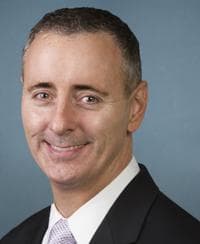
Brian K. Fitzpatrick
Republican Representative
Pennsylvania
Cosponsors (5)
Crime and Federal Government Surveillance Subcommittee, Health Subcommittee, Judiciary Committee, Constitution and Limited Government Subcommittee, Energy and Commerce Committee
- Introduced
- In Committee
- On Floor
- Passed Chamber
- Enacted
Right to Try Act This bill requires the federal government to allow unrestricted manufacturing, distribution, prescribing, and dispensing of experimental drugs, biological products, and medical devices that are authorized by state law and intended to treat terminally ill patients. Patients receiving these treatments must be certified by a physician as having exhausted all other treatment options and as being at greater risk from their medical condition than the treatment. The physician must explain the treatment to the patient, including that the treatment is experimental, and the patient, or the patient's legal representative, must acknowledge the explanation. A manufacturer, distributor, prescriber, dispenser, possessor, or user of such a treatment has no liability regarding the treatment. The outcome of manufacture, distribution, prescribing, dispensing, possession, or use of such a treatment may not be used by a federal agency to adversely impact review or approval of the treatment. The treatment must: (1) have successfully completed a phase 1 (initial, small scale) clinical trial; (2) remain under investigation in a clinical trial approved by the Food and Drug Administration (FDA); and (3) not be approved, licensed, or cleared for sale by the FDA.
View Full TextSuggested Questions
Get AI-generated questions to help you understand this bill better
Timeline
Introduced in House
Referred to the Committee on Energy and Commerce, and in addition to the Committee on the Judiciary, for a period to be subsequently determined by the Speaker, in each case for consideration of such provisions as fall within the jurisdiction of the committee concerned.
Referred to the Subcommittee on Health.
Referred to the Subcommittee on the Constitution and Civil Justice.
Referred to the Subcommittee on Crime, Terrorism, Homeland Security, and Investigations.
Health
Civil actions and liabilityDrug safety, medical device, and laboratory regulationDrug therapyHealth personnelHealth technology, devices, suppliesLicensing and registrationsLong-term, rehabilitative, and terminal careMedical tests and diagnostic methodsPrescription drugsProduct safety and quality
To authorize the use of experimental drugs, biological products, and devices by patients diagnosed with a terminal illness in accordance with State law, and for other purposes.
USA115th CongressHR-2368| House
| Updated: 6/7/2017
Right to Try Act This bill requires the federal government to allow unrestricted manufacturing, distribution, prescribing, and dispensing of experimental drugs, biological products, and medical devices that are authorized by state law and intended to treat terminally ill patients. Patients receiving these treatments must be certified by a physician as having exhausted all other treatment options and as being at greater risk from their medical condition than the treatment. The physician must explain the treatment to the patient, including that the treatment is experimental, and the patient, or the patient's legal representative, must acknowledge the explanation. A manufacturer, distributor, prescriber, dispenser, possessor, or user of such a treatment has no liability regarding the treatment. The outcome of manufacture, distribution, prescribing, dispensing, possession, or use of such a treatment may not be used by a federal agency to adversely impact review or approval of the treatment. The treatment must: (1) have successfully completed a phase 1 (initial, small scale) clinical trial; (2) remain under investigation in a clinical trial approved by the Food and Drug Administration (FDA); and (3) not be approved, licensed, or cleared for sale by the FDA.
View Full TextSuggested Questions
Get AI-generated questions to help you understand this bill better
Timeline
Introduced in House
Referred to the Committee on Energy and Commerce, and in addition to the Committee on the Judiciary, for a period to be subsequently determined by the Speaker, in each case for consideration of such provisions as fall within the jurisdiction of the committee concerned.
Referred to the Subcommittee on Health.
Referred to the Subcommittee on the Constitution and Civil Justice.
Referred to the Subcommittee on Crime, Terrorism, Homeland Security, and Investigations.
Brian K. Fitzpatrick
Republican Representative
Pennsylvania
Cosponsors (5)
Crime and Federal Government Surveillance Subcommittee, Health Subcommittee, Judiciary Committee, Constitution and Limited Government Subcommittee, Energy and Commerce Committee
Health
Related Bills
- Introduced
- In Committee
- On Floor
- Passed Chamber
- Enacted
Civil actions and liabilityDrug safety, medical device, and laboratory regulationDrug therapyHealth personnelHealth technology, devices, suppliesLicensing and registrationsLong-term, rehabilitative, and terminal careMedical tests and diagnostic methodsPrescription drugsProduct safety and quality