To reduce the deficit by imposing a minimum effective tax rate for high-income taxpayers.
USA115th CongressHR-2159| House
| Updated: 4/26/2017
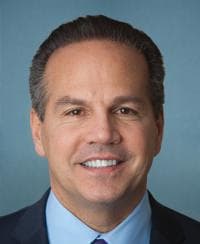
David N. Cicilline
Democratic Representative
Rhode Island
Cosponsors (10)
Ways and Means Committee
- Introduced
- In Committee
- On Floor
- Passed Chamber
- Enacted
Paying a Fair Share Act of 201 7 This bill amends the Internal Revenue Code to require an individual taxpayer whose adjusted gross income exceeds $1 million (high-income taxpayer) to pay a minimum tax rate of 30% of the excess of the taxpayer's adjusted gross income over the taxpayer's modified charitable contribution deduction for the taxable year (tentative fair share tax). The amount of the tax is the excess (if any) of the tentative fair share tax over the excess of: (1) the sum of the taxpayer's regular tax liability, the alternative minimum tax (AMT) amount, and the payroll tax for the taxable year; over (2) certain tax credits. The bill provides for a phase-in of such tax and requires an inflation adjustment to the $1 million income threshold for taxable years beginning after 2018. The bill also expresses the sense of the House of Representatives that Congress should enact tax reform that repeals unfair and unnecessary tax loopholes and expenditures, simplifies the tax system, and makes sure that the wealthiest taxpayers pay a fair share of taxes.
View Full TextSuggested Questions
Get AI-generated questions to help you understand this bill better
Timeline
Introduced in House
Referred to the House Committee on Ways and Means.
Taxation
Budget deficits and national debtEmployment taxesIncome tax deductionsIncome tax ratesInflation and pricesSocial work, volunteer service, charitable organizationsTax reform and tax simplification
To reduce the deficit by imposing a minimum effective tax rate for high-income taxpayers.
USA115th CongressHR-2159| House
| Updated: 4/26/2017
Paying a Fair Share Act of 201 7 This bill amends the Internal Revenue Code to require an individual taxpayer whose adjusted gross income exceeds $1 million (high-income taxpayer) to pay a minimum tax rate of 30% of the excess of the taxpayer's adjusted gross income over the taxpayer's modified charitable contribution deduction for the taxable year (tentative fair share tax). The amount of the tax is the excess (if any) of the tentative fair share tax over the excess of: (1) the sum of the taxpayer's regular tax liability, the alternative minimum tax (AMT) amount, and the payroll tax for the taxable year; over (2) certain tax credits. The bill provides for a phase-in of such tax and requires an inflation adjustment to the $1 million income threshold for taxable years beginning after 2018. The bill also expresses the sense of the House of Representatives that Congress should enact tax reform that repeals unfair and unnecessary tax loopholes and expenditures, simplifies the tax system, and makes sure that the wealthiest taxpayers pay a fair share of taxes.
View Full TextSuggested Questions
Get AI-generated questions to help you understand this bill better
Timeline
Introduced in House
Referred to the House Committee on Ways and Means.
David N. Cicilline
Democratic Representative
Rhode Island
Cosponsors (10)
Ways and Means Committee
Taxation
Related Bills
- S 115-955: A bill to ensure high-income earners pay a fair share of Federal taxes.
- S 115-1162: A bill to amend the Higher Education Act of 1965 to provide for the refinancing of certain Federal student loans, and for other purposes.
- HR 115-2477: To amend the Higher Education Act of 1965 to provide for the refinancing of certain Federal student loans, and for other purposes.
- Introduced
- In Committee
- On Floor
- Passed Chamber
- Enacted
Budget deficits and national debtEmployment taxesIncome tax deductionsIncome tax ratesInflation and pricesSocial work, volunteer service, charitable organizationsTax reform and tax simplification