To provide a path to end homelessness in the United States, and for other purposes.
USA115th CongressHR-2076| House
| Updated: 4/6/2017
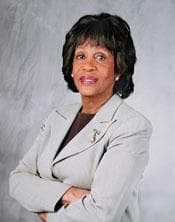
Maxine Waters
Democratic Representative
California
Cosponsors (22)
Barbara Lee (Democratic)David N. Cicilline (Democratic)Juan Vargas (Democratic)Danny K. Davis (Democratic)Ted Lieu (Democratic)Alan S. Lowenthal (Democratic)Al Green (Democratic)Stephen F. Lynch (Democratic)Mark DeSaulnier (Democratic)Keith Ellison (Democratic)Norma J. Torres (Democratic)Mike Quigley (Democratic)Louise McIntosh Slaughter (Democratic)Janice D. Schakowsky (Democratic)Adam Smith (Democratic)Nydia M. Velázquez (Democratic)Jerry McNerney (Democratic)Peter Welch (Democratic)Cedric L. Richmond (Democratic)Earl Blumenauer (Democratic)Gwen Moore (Democratic)Grace F. Napolitano (Democratic)
Financial Services Committee, Budget Committee
- Introduced
- In Committee
- On Floor
- Passed Chamber
- Enacted
Ending Homelessness Act of 2017 This bill amends the McKinney-Vento Homeless Assistance Act to make additional FY2018-FY2022 appropriations available for: (1) emergency relief grants to address the unmet needs of homeless populations in jurisdictions with the highest need, (2) rental assistance under the United States Housing Act of 1937 for persons and households who are homeless, and (3) homeless outreach and coordination services. Beginning in FY2018, the bill provides annual additional funds for: (1) the Housing Trust Fund to provide grants to states for use to increase homeownership and the supply of rental housing for extremely low- and very low-income families, including homeless families; and (2) incremental project-based voucher or rental assistance under the Federal Housing Enterprises Financial Safety and Soundness Act of 1992. During the first five fiscal years such amounts are made available, the Department of Housing and Urban Development (HUD) must ensure that priority for occupancy in dwelling units located in housing that was provided or is receiving such assistance be given to persons and households who are homeless. When HUD allocates grants to states from the fund for rental housing, the dwelling units must be subject to legally binding commitments to ensure that the residing family's contribution toward rent does not exceed 30% of the family's adjusted income. The bill provides funding to HUD to expand the Healthcare and Housing (H2) Systems Integration Initiative by assisting states and localities in coordinating policies among Medicaid programs, behavioral health providers, housing providers, and finance support services for homeless persons. The bill makes permanent: (1) certain housing assistance programs under the Homeless Assistance Act, and (2) the U.S. Interagency Council on Homelessness.
View Full TextSuggested Questions
Get AI-generated questions to help you understand this bill better
Timeline
Introduced in House
Referred to the Committee on Financial Services, and in addition to the Committee on the Budget, for a period to be subsequently determined by the Speaker, in each case for consideration of such provisions as fall within the jurisdiction of the committee concerned.
Housing and Community Development
AppropriationsFinancial services and investmentsGovernment trust fundsHealth care coverage and accessHealth programs administration and fundingHomelessness and emergency shelterHousing and community development fundingInteragency Council on HomelessnessLow- and moderate-income housingMedicaidMental healthState and local government operations
To provide a path to end homelessness in the United States, and for other purposes.
USA115th CongressHR-2076| House
| Updated: 4/6/2017
Ending Homelessness Act of 2017 This bill amends the McKinney-Vento Homeless Assistance Act to make additional FY2018-FY2022 appropriations available for: (1) emergency relief grants to address the unmet needs of homeless populations in jurisdictions with the highest need, (2) rental assistance under the United States Housing Act of 1937 for persons and households who are homeless, and (3) homeless outreach and coordination services. Beginning in FY2018, the bill provides annual additional funds for: (1) the Housing Trust Fund to provide grants to states for use to increase homeownership and the supply of rental housing for extremely low- and very low-income families, including homeless families; and (2) incremental project-based voucher or rental assistance under the Federal Housing Enterprises Financial Safety and Soundness Act of 1992. During the first five fiscal years such amounts are made available, the Department of Housing and Urban Development (HUD) must ensure that priority for occupancy in dwelling units located in housing that was provided or is receiving such assistance be given to persons and households who are homeless. When HUD allocates grants to states from the fund for rental housing, the dwelling units must be subject to legally binding commitments to ensure that the residing family's contribution toward rent does not exceed 30% of the family's adjusted income. The bill provides funding to HUD to expand the Healthcare and Housing (H2) Systems Integration Initiative by assisting states and localities in coordinating policies among Medicaid programs, behavioral health providers, housing providers, and finance support services for homeless persons. The bill makes permanent: (1) certain housing assistance programs under the Homeless Assistance Act, and (2) the U.S. Interagency Council on Homelessness.
View Full TextSuggested Questions
Get AI-generated questions to help you understand this bill better
Timeline
Introduced in House
Referred to the Committee on Financial Services, and in addition to the Committee on the Budget, for a period to be subsequently determined by the Speaker, in each case for consideration of such provisions as fall within the jurisdiction of the committee concerned.
Maxine Waters
Democratic Representative
California
Cosponsors (22)
Barbara Lee (Democratic)David N. Cicilline (Democratic)Juan Vargas (Democratic)Danny K. Davis (Democratic)Ted Lieu (Democratic)Alan S. Lowenthal (Democratic)Al Green (Democratic)Stephen F. Lynch (Democratic)Mark DeSaulnier (Democratic)Keith Ellison (Democratic)Norma J. Torres (Democratic)Mike Quigley (Democratic)Louise McIntosh Slaughter (Democratic)Janice D. Schakowsky (Democratic)Adam Smith (Democratic)Nydia M. Velázquez (Democratic)Jerry McNerney (Democratic)Peter Welch (Democratic)Cedric L. Richmond (Democratic)Earl Blumenauer (Democratic)Gwen Moore (Democratic)Grace F. Napolitano (Democratic)
Financial Services Committee, Budget Committee
Housing and Community Development
- Introduced
- In Committee
- On Floor
- Passed Chamber
- Enacted
AppropriationsFinancial services and investmentsGovernment trust fundsHealth care coverage and accessHealth programs administration and fundingHomelessness and emergency shelterHousing and community development fundingInteragency Council on HomelessnessLow- and moderate-income housingMedicaidMental healthState and local government operations