To amend the Fair Housing Act, to prohibit discrimination based on use of section 8 vouchers, and for other purposes.
USA115th CongressHR-202| House
| Updated: 1/3/2017
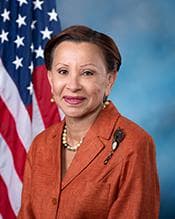
Nydia M. Velázquez
Democratic Representative
New York
Cosponsors (15)
Raúl M. Grijalva (Democratic)Carolyn B. Maloney (Democratic)Wm. Lacy Clay (Democratic)Adriano Espaillat (Democratic)Gregory W. Meeks (Democratic)Hakeem S. Jeffries (Democratic)Jerrold Nadler (Democratic)Alma S. Adams (Democratic)Luis V. Gutierrez (Democratic)Eleanor Holmes Norton (Democratic)Joseph Crowley (Democratic)Yvette D. Clarke (Democratic)Jose E. Serrano (Democratic)Grace Meng (Democratic)Grace F. Napolitano (Democratic)
Ways and Means Committee, Financial Services Committee, Judiciary Committee
- Introduced
- In Committee
- On Floor
- Passed Chamber
- Enacted
Landlord Accountability Act of 2017 This bill amends the Fair Housing Act to make it unlawful to discriminate in connection with the rental of a dwelling because the current or prospective tenant holds a housing voucher for rental assistance under section 8 of the United States Housing Act of 1937. An owner of a dwelling unit available for rental may not take any action, or fail to take any action, with the intent to make the unit insufficiently decent, safe, sanitary, or inhabitable so that the dwelling fails to qualify for assistance within the jurisdiction of the Department of Housing and Urban Development (HUD). HUD shall increase the staffing level for the Multifamily Housing Complaint Line operated by its Multifamily Housing Clearinghouse to handle the volume of calls received without unreasonable waiting periods. HUD shall also carry out a Multifamily Housing Complaint Resolution Program to receive and resolve complaints about multifamily housing projects from resident voucher users and local governmental officials. HUD shall disclose on a departmental website information about each complaint received, identifying the multifamily housing project to which it relates. The Internal Revenue Code is amended to allow an eligible landlord a low-income housing maintenance credit of $2,500 multiplied by the number of low-income housing units owned up to a certain maximum for the landlord's annual low-income housing maintenance expenses. An owner of a multifamily housing project in which three or more voucher users reside shall display, at all times and in clear and conspicuous location on every floor, a written notice of tenant rights under federal law and the phone numbers for the Multifamily Housing Complaint Line and for a regional or local HUD office. HUD may also make grants to states, Indian tribes, local governments, and nonprofit, nongovernmental affordable housing organizations to develop or assist tenant harassment prevention programs meeting specified requirements.
View Full TextSuggested Questions
Get AI-generated questions to help you understand this bill better
Timeline
Introduced in House
Referred to the Committee on Financial Services, and in addition to the Committees on Ways and Means, and the Judiciary, for a period to be subsequently determined by the Speaker, in each case for consideration of such provisions as fall within the jurisdiction of the committee concerned.
Housing and Community Development
Civil actions and liabilityCongressional oversightDepartment of Housing and Urban DevelopmentGovernment employee pay, benefits, personnel managementGovernment information and archivesHousing and community development fundingHousing discriminationHousing supply and affordabilityIncome tax creditsLow- and moderate-income housingResidential rehabilitation and home repair
To amend the Fair Housing Act, to prohibit discrimination based on use of section 8 vouchers, and for other purposes.
USA115th CongressHR-202| House
| Updated: 1/3/2017
Landlord Accountability Act of 2017 This bill amends the Fair Housing Act to make it unlawful to discriminate in connection with the rental of a dwelling because the current or prospective tenant holds a housing voucher for rental assistance under section 8 of the United States Housing Act of 1937. An owner of a dwelling unit available for rental may not take any action, or fail to take any action, with the intent to make the unit insufficiently decent, safe, sanitary, or inhabitable so that the dwelling fails to qualify for assistance within the jurisdiction of the Department of Housing and Urban Development (HUD). HUD shall increase the staffing level for the Multifamily Housing Complaint Line operated by its Multifamily Housing Clearinghouse to handle the volume of calls received without unreasonable waiting periods. HUD shall also carry out a Multifamily Housing Complaint Resolution Program to receive and resolve complaints about multifamily housing projects from resident voucher users and local governmental officials. HUD shall disclose on a departmental website information about each complaint received, identifying the multifamily housing project to which it relates. The Internal Revenue Code is amended to allow an eligible landlord a low-income housing maintenance credit of $2,500 multiplied by the number of low-income housing units owned up to a certain maximum for the landlord's annual low-income housing maintenance expenses. An owner of a multifamily housing project in which three or more voucher users reside shall display, at all times and in clear and conspicuous location on every floor, a written notice of tenant rights under federal law and the phone numbers for the Multifamily Housing Complaint Line and for a regional or local HUD office. HUD may also make grants to states, Indian tribes, local governments, and nonprofit, nongovernmental affordable housing organizations to develop or assist tenant harassment prevention programs meeting specified requirements.
View Full TextSuggested Questions
Get AI-generated questions to help you understand this bill better
Timeline
Introduced in House
Referred to the Committee on Financial Services, and in addition to the Committees on Ways and Means, and the Judiciary, for a period to be subsequently determined by the Speaker, in each case for consideration of such provisions as fall within the jurisdiction of the committee concerned.
Nydia M. Velázquez
Democratic Representative
New York
Cosponsors (15)
Raúl M. Grijalva (Democratic)Carolyn B. Maloney (Democratic)Wm. Lacy Clay (Democratic)Adriano Espaillat (Democratic)Gregory W. Meeks (Democratic)Hakeem S. Jeffries (Democratic)Jerrold Nadler (Democratic)Alma S. Adams (Democratic)Luis V. Gutierrez (Democratic)Eleanor Holmes Norton (Democratic)Joseph Crowley (Democratic)Yvette D. Clarke (Democratic)Jose E. Serrano (Democratic)Grace Meng (Democratic)Grace F. Napolitano (Democratic)
Ways and Means Committee, Financial Services Committee, Judiciary Committee
Housing and Community Development
- Introduced
- In Committee
- On Floor
- Passed Chamber
- Enacted
Civil actions and liabilityCongressional oversightDepartment of Housing and Urban DevelopmentGovernment employee pay, benefits, personnel managementGovernment information and archivesHousing and community development fundingHousing discriminationHousing supply and affordabilityIncome tax creditsLow- and moderate-income housingResidential rehabilitation and home repair