To require regulation of wastes associated with the exploration, development, or production of crude oil, natural gas, or geothermal energy under the Solid Waste Disposal Act, and for other purposes.
USA115th CongressHR-2000| House
| Updated: 4/7/2017
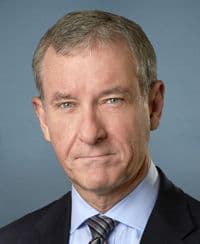
Matt Cartwright
Democratic Representative
Pennsylvania
Cosponsors (73)
Dwight Evans (Democratic)David Loebsack (Democratic)Jared Huffman (Democratic)Robert C. "Bobby" Scott (Democratic)Adam B. Schiff (Democratic)Barbara Lee (Democratic)Joseph P. Kennedy (Democratic)Raúl M. Grijalva (Democratic)Mark Pocan (Democratic)James R. Langevin (Democratic)Jackie Speier (Democratic)Darren Soto (Democratic)John A. Yarmuth (Democratic)Carolyn B. Maloney (Democratic)Pete Aguilar (Democratic)Frederica S. Wilson (Democratic)Eric Swalwell (Democratic)Niki Tsongas (Democratic)Katherine M. Clark (Democratic)Steve Cohen (Democratic)Suzan K. DelBene (Democratic)Paul Tonko (Democratic)Donald M. Payne (Democratic)John P. Sarbanes (Democratic)Michael E. Capuano (Democratic)Lucille Roybal-Allard (Democratic)Peter A. DeFazio (Democratic)Ted Lieu (Democratic)Ro Khanna (Democratic)Alan S. Lowenthal (Democratic)Ann M. Kuster (Democratic)Henry C. "Hank" Johnson (Democratic)John B. Larson (Democratic)Stephen F. Lynch (Democratic)Mark DeSaulnier (Democratic)Keith Ellison (Democratic)John Conyers (Democratic)Doris O. Matsui (Democratic)Jerrold Nadler (Democratic)Anna G. Eshoo (Democratic)Mark Takano (Democratic)Betty McCollum (Democratic)Eleanor Holmes Norton (Democratic)Bonnie Watson Coleman (Democratic)Jamie Raskin (Democratic)Elijah E. Cummings (Democratic)Mike Quigley (Democratic)Donald S. Beyer (Democratic)Louise McIntosh Slaughter (Democratic)Diana DeGette (Democratic)Janice D. Schakowsky (Democratic)James P. McGovern (Democratic)Maxine Waters (Democratic)Adam Smith (Democratic)Nydia M. Velázquez (Democratic)William R. Keating (Democratic)Eddie Bernice Johnson (Democratic)Yvette D. Clarke (Democratic)Jose E. Serrano (Democratic)Jared Polis (Democratic)Peter Welch (Democratic)Earl Blumenauer (Democratic)Seth Moulton (Democratic)Mike Thompson (Democratic)Suzanne Bonamici (Democratic)Zoe Lofgren (Democratic)Nanette Diaz Barragán (Democratic)Grace Meng (Democratic)Alcee L. Hastings (Democratic)Debbie Wasserman Schultz (Democratic)Gerald E. Connolly (Democratic)Chellie Pingree (Democratic)Grace F. Napolitano (Democratic)
Environment Subcommittee, Energy and Commerce Committee
- Introduced
- In Committee
- On Floor
- Passed Chamber
- Enacted
CLEANER Act of 2017 or the Closing Loopholes and Ending Arbitrary and Needless Evasion of Regulations Act of 2017 This bill amends the Resource Conservation and Recovery Act to eliminate the exemption for waste derived from the exploration, development, or production of crude oil, natural gas, or geothermal energy from regulations governing the disposal of hazardous waste. Within a year of this bill's enactment, the Environmental Protection Agency (EPA) must: determine whether waste associated with oil, gas, or geothermal energy activities meet the criteria promulgated for the identification or listing of hazardous waste; identify or list as hazardous waste any of those wastes if they meet the identification or listing criteria; and promulgate regulations regarding standards applicable to generators, transporters, and owners and operators of facilities for the treatment, storage, or disposal of those wastes. The EPA may modify the regulation of those standards to consider the special characteristics of those wastes so long as the modified regulations protect human health and the environment. Within a year of this bill's enactment, the EPA must promulgate revisions of certain criteria concerning landfills and waste management practices of open dumping for facilities that may receive wastes that are: (1) associated with those activities, and (2) not identified or listed as hazardous waste. Those revisions must: protect human health and the environment, while allowing consideration of the practicable capability of such facilities; and require groundwater monitoring as necessary to detect contamination; establish criteria for the acceptable location of new or existing facilities; and provide for corrective action and financial assurance as appropriate.
View Full TextSuggested Questions
Get AI-generated questions to help you understand this bill better
Timeline
Introduced in House
Referred to the House Committee on Energy and Commerce.
Referred to the Subcommittee on Environment.
Environmental Protection
Administrative law and regulatory proceduresAlternative and renewable resourcesEnvironmental Protection Agency (EPA)Environmental regulatory proceduresHazardous wastes and toxic substancesOil and gasSolid waste and recyclingWater quality
To require regulation of wastes associated with the exploration, development, or production of crude oil, natural gas, or geothermal energy under the Solid Waste Disposal Act, and for other purposes.
USA115th CongressHR-2000| House
| Updated: 4/7/2017
CLEANER Act of 2017 or the Closing Loopholes and Ending Arbitrary and Needless Evasion of Regulations Act of 2017 This bill amends the Resource Conservation and Recovery Act to eliminate the exemption for waste derived from the exploration, development, or production of crude oil, natural gas, or geothermal energy from regulations governing the disposal of hazardous waste. Within a year of this bill's enactment, the Environmental Protection Agency (EPA) must: determine whether waste associated with oil, gas, or geothermal energy activities meet the criteria promulgated for the identification or listing of hazardous waste; identify or list as hazardous waste any of those wastes if they meet the identification or listing criteria; and promulgate regulations regarding standards applicable to generators, transporters, and owners and operators of facilities for the treatment, storage, or disposal of those wastes. The EPA may modify the regulation of those standards to consider the special characteristics of those wastes so long as the modified regulations protect human health and the environment. Within a year of this bill's enactment, the EPA must promulgate revisions of certain criteria concerning landfills and waste management practices of open dumping for facilities that may receive wastes that are: (1) associated with those activities, and (2) not identified or listed as hazardous waste. Those revisions must: protect human health and the environment, while allowing consideration of the practicable capability of such facilities; and require groundwater monitoring as necessary to detect contamination; establish criteria for the acceptable location of new or existing facilities; and provide for corrective action and financial assurance as appropriate.
View Full TextSuggested Questions
Get AI-generated questions to help you understand this bill better
Timeline
Introduced in House
Referred to the House Committee on Energy and Commerce.
Referred to the Subcommittee on Environment.
Matt Cartwright
Democratic Representative
Pennsylvania
Cosponsors (73)
Dwight Evans (Democratic)David Loebsack (Democratic)Jared Huffman (Democratic)Robert C. "Bobby" Scott (Democratic)Adam B. Schiff (Democratic)Barbara Lee (Democratic)Joseph P. Kennedy (Democratic)Raúl M. Grijalva (Democratic)Mark Pocan (Democratic)James R. Langevin (Democratic)Jackie Speier (Democratic)Darren Soto (Democratic)John A. Yarmuth (Democratic)Carolyn B. Maloney (Democratic)Pete Aguilar (Democratic)Frederica S. Wilson (Democratic)Eric Swalwell (Democratic)Niki Tsongas (Democratic)Katherine M. Clark (Democratic)Steve Cohen (Democratic)Suzan K. DelBene (Democratic)Paul Tonko (Democratic)Donald M. Payne (Democratic)John P. Sarbanes (Democratic)Michael E. Capuano (Democratic)Lucille Roybal-Allard (Democratic)Peter A. DeFazio (Democratic)Ted Lieu (Democratic)Ro Khanna (Democratic)Alan S. Lowenthal (Democratic)Ann M. Kuster (Democratic)Henry C. "Hank" Johnson (Democratic)John B. Larson (Democratic)Stephen F. Lynch (Democratic)Mark DeSaulnier (Democratic)Keith Ellison (Democratic)John Conyers (Democratic)Doris O. Matsui (Democratic)Jerrold Nadler (Democratic)Anna G. Eshoo (Democratic)Mark Takano (Democratic)Betty McCollum (Democratic)Eleanor Holmes Norton (Democratic)Bonnie Watson Coleman (Democratic)Jamie Raskin (Democratic)Elijah E. Cummings (Democratic)Mike Quigley (Democratic)Donald S. Beyer (Democratic)Louise McIntosh Slaughter (Democratic)Diana DeGette (Democratic)Janice D. Schakowsky (Democratic)James P. McGovern (Democratic)Maxine Waters (Democratic)Adam Smith (Democratic)Nydia M. Velázquez (Democratic)William R. Keating (Democratic)Eddie Bernice Johnson (Democratic)Yvette D. Clarke (Democratic)Jose E. Serrano (Democratic)Jared Polis (Democratic)Peter Welch (Democratic)Earl Blumenauer (Democratic)Seth Moulton (Democratic)Mike Thompson (Democratic)Suzanne Bonamici (Democratic)Zoe Lofgren (Democratic)Nanette Diaz Barragán (Democratic)Grace Meng (Democratic)Alcee L. Hastings (Democratic)Debbie Wasserman Schultz (Democratic)Gerald E. Connolly (Democratic)Chellie Pingree (Democratic)Grace F. Napolitano (Democratic)
Environment Subcommittee, Energy and Commerce Committee
Environmental Protection
- Introduced
- In Committee
- On Floor
- Passed Chamber
- Enacted
Administrative law and regulatory proceduresAlternative and renewable resourcesEnvironmental Protection Agency (EPA)Environmental regulatory proceduresHazardous wastes and toxic substancesOil and gasSolid waste and recyclingWater quality