To amend chapter 81 of title 5, United States Code, to create a presumption that a disability or death of a Federal employee in fire protection activities caused by any of certain diseases is the result of the performance of such employee's duty.
USA115th CongressHR-1884| House
| Updated: 4/4/2017
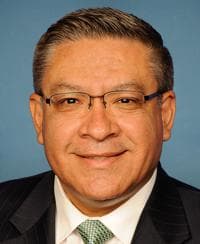
Salud O. Carbajal
Democratic Representative
California
Cosponsors (32)
Thomas MacArthur (Republican)Elise M. Stefanik (Republican)Ruben Gallego (Democratic)Robert C. "Bobby" Scott (Democratic)Raúl M. Grijalva (Democratic)Scott Taylor (Republican)Peter T. King (Republican)Darren Soto (Democratic)Derek Kilmer (Democratic)Joe Courtney (Democratic)Claudia Tenney (Republican)Carol Shea-Porter (Democratic)Michelle Lujan Grisham (Democratic)James B. Renacci (Republican)David B. McKinley (Republican)Patrick Meehan (Republican)Don Bacon (Republican)Kyrsten Sinema (Independent)Jacky Rosen (Democratic)Mark Takano (Democratic)Brad Sherman (Democratic)Jamie Raskin (Democratic)Donald S. Beyer (Democratic)Mike Bost (Republican)David G. Valadao (Republican)Michael R. Turner (Republican)Beto O'Rourke (Democratic)Brian K. Fitzpatrick (Republican)Susan W. Brooks (Republican)Jack Bergman (Republican)Barbara Comstock (Republican)Chellie Pingree (Democratic)
Education and Workforce Committee
- Introduced
- In Committee
- On Floor
- Passed Chamber
- Enacted
Federal Firefighters Fairness Act of 2017 This bill provides that: (1) heart disease, lung disease, and specified cancers of federal employees employed in fire protection activities for a minimum of 5 years shall be presumed to be proximately caused by such employment if an employee is diagnosed with any such disease within 10 years of the last active date of employment in fire protection activities; (2) the disability or death of such an employee due to any such disease shall be presumed to result from personal injury sustained while in the performance of duty; and (3) such presumptions may be rebutted by a preponderance of the evidence. These presumptions shall also apply to fire protection employees who contract any uncommon infectious disease, including but not limited to tuberculosis, hepatitis A, B, or C, or the human immunodeficiency virus (HIV), regardless of length of employment. The bill defines an "employee in fire protection activities" as a firefighter, paramedic, emergency medical technician, rescue worker, ambulance personnel, or hazardous material worker, who: (1) is trained in fire suppression; (2) has the legal authority and responsibility to engage in fire suppression; (3) is engaged in the prevention, control, and extinguishment of fires or response to emergency situations where life, property, or the environment is at risk; and (4) performs such activities as a primary responsibility. The National Institute of Occupational Safety and Health in the Centers for Disease Control and Prevention must examine the implementation of this bill and appropriate scientific and medical data related to the health risks associated with firefighting.
View Full TextSuggested Questions
Get AI-generated questions to help you understand this bill better
Timeline
Introduced in House
Referred to the House Committee on Education and the Workforce.
Government Operations and Politics
Blood and blood diseasesCancerCardiovascular and respiratory healthDisability and paralysisDisability assistanceEmergency medical services and trauma careEvidence and witnessesFiresFirst responders and emergency personnelGovernment employee pay, benefits, personnel managementHazardous wastes and toxic substancesHealth personnelMedical researchWorker safety and health
To amend chapter 81 of title 5, United States Code, to create a presumption that a disability or death of a Federal employee in fire protection activities caused by any of certain diseases is the result of the performance of such employee's duty.
USA115th CongressHR-1884| House
| Updated: 4/4/2017
Federal Firefighters Fairness Act of 2017 This bill provides that: (1) heart disease, lung disease, and specified cancers of federal employees employed in fire protection activities for a minimum of 5 years shall be presumed to be proximately caused by such employment if an employee is diagnosed with any such disease within 10 years of the last active date of employment in fire protection activities; (2) the disability or death of such an employee due to any such disease shall be presumed to result from personal injury sustained while in the performance of duty; and (3) such presumptions may be rebutted by a preponderance of the evidence. These presumptions shall also apply to fire protection employees who contract any uncommon infectious disease, including but not limited to tuberculosis, hepatitis A, B, or C, or the human immunodeficiency virus (HIV), regardless of length of employment. The bill defines an "employee in fire protection activities" as a firefighter, paramedic, emergency medical technician, rescue worker, ambulance personnel, or hazardous material worker, who: (1) is trained in fire suppression; (2) has the legal authority and responsibility to engage in fire suppression; (3) is engaged in the prevention, control, and extinguishment of fires or response to emergency situations where life, property, or the environment is at risk; and (4) performs such activities as a primary responsibility. The National Institute of Occupational Safety and Health in the Centers for Disease Control and Prevention must examine the implementation of this bill and appropriate scientific and medical data related to the health risks associated with firefighting.
View Full TextSuggested Questions
Get AI-generated questions to help you understand this bill better
Timeline
Introduced in House
Referred to the House Committee on Education and the Workforce.
Salud O. Carbajal
Democratic Representative
California
Cosponsors (32)
Thomas MacArthur (Republican)Elise M. Stefanik (Republican)Ruben Gallego (Democratic)Robert C. "Bobby" Scott (Democratic)Raúl M. Grijalva (Democratic)Scott Taylor (Republican)Peter T. King (Republican)Darren Soto (Democratic)Derek Kilmer (Democratic)Joe Courtney (Democratic)Claudia Tenney (Republican)Carol Shea-Porter (Democratic)Michelle Lujan Grisham (Democratic)James B. Renacci (Republican)David B. McKinley (Republican)Patrick Meehan (Republican)Don Bacon (Republican)Kyrsten Sinema (Independent)Jacky Rosen (Democratic)Mark Takano (Democratic)Brad Sherman (Democratic)Jamie Raskin (Democratic)Donald S. Beyer (Democratic)Mike Bost (Republican)David G. Valadao (Republican)Michael R. Turner (Republican)Beto O'Rourke (Democratic)Brian K. Fitzpatrick (Republican)Susan W. Brooks (Republican)Jack Bergman (Republican)Barbara Comstock (Republican)Chellie Pingree (Democratic)
Education and Workforce Committee
Government Operations and Politics
- Introduced
- In Committee
- On Floor
- Passed Chamber
- Enacted
Blood and blood diseasesCancerCardiovascular and respiratory healthDisability and paralysisDisability assistanceEmergency medical services and trauma careEvidence and witnessesFiresFirst responders and emergency personnelGovernment employee pay, benefits, personnel managementHazardous wastes and toxic substancesHealth personnelMedical researchWorker safety and health