To amend section 287 of the Immigration and Nationality Act to limit immigration enforcement actions at sensitive locations, to clarify the powers of immigration officers at sensitive locations, and for other purposes.
USA115th CongressHR-1815| House
| Updated: 3/30/2017
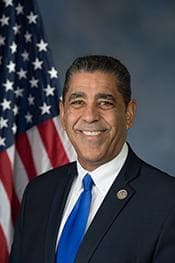
Adriano Espaillat
Democratic Representative
New York
Cosponsors (51)
Dwight Evans (Democratic)Marcy Kaptur (Democratic)Ruben Gallego (Democratic)Marc A. Veasey (Democratic)Barbara Lee (Democratic)Joseph P. Kennedy (Democratic)Raúl M. Grijalva (Democratic)Sheila Jackson Lee (Democratic)Ben Ray Luján (Democratic)Pete Aguilar (Democratic)Eliot L. Engel (Democratic)Juan Vargas (Democratic)J. Luis Correa (Democratic)Tony Cárdenas (Democratic)Scott H. Peters (Democratic)Michael E. Capuano (Democratic)Lucille Roybal-Allard (Democratic)Ted Lieu (Democratic)Michelle Lujan Grisham (Democratic)Kurt Schrader (Democratic)Al Green (Democratic)Joaquin Castro (Democratic)Keith Ellison (Democratic)G. K. Butterfield (Democratic)John Conyers (Democratic)Filemon Vela (Democratic)Jerrold Nadler (Democratic)Pramila Jayapal (Democratic)Eleanor Holmes Norton (Democratic)Jamie Raskin (Democratic)Elijah E. Cummings (Democratic)Donald S. Beyer (Democratic)Janice D. Schakowsky (Democratic)James P. McGovern (Democratic)Adam Smith (Democratic)Nydia M. Velázquez (Democratic)Beto O'Rourke (Democratic)Jose E. Serrano (Democratic)Jared Polis (Democratic)Peter Welch (Democratic)Earl Blumenauer (Democratic)Suzanne Bonamici (Democratic)Ed Perlmutter (Democratic)Zoe Lofgren (Democratic)Nanette Diaz Barragán (Democratic)Frank Pallone (Democratic)Gwen Moore (Democratic)Grace Meng (Democratic)Debbie Wasserman Schultz (Democratic)Gerald E. Connolly (Democratic)Grace F. Napolitano (Democratic)
Judiciary Committee
- Introduced
- In Committee
- On Floor
- Passed Chamber
- Enacted
Protecting Sensitive Locations Act This bill amends the Immigration and Nationality Act to provide that an immigration enforcement action by the Department of Homeland Security or an individual designated to perform immigration enforcement functions may not take place at a sensitive location, except: (1) under exigent circumstances, and (2) with prior approval. A "sensitive location" includes all of the physical space located within 1,000 feet of: medical treatment or health care facilities; public and private schools; scholastic or education-related activities; school bus or school bus stops during periods when school children are present; emergency shelter or food locations; any organization that assists children, pregnant women, victims of crime or abuse, or individuals with significant mental or physical disabilities or that provides disaster or emergency social services; places of worship; funerals, weddings, or other public religious ceremonies; public demonstrations; federal, state, or local courthouses; congressional district offices; public assistance or social security offices; or motor vehicles departments. The bill shall not apply to the transportation of an individual apprehended at or near a land or sea border to a hospital or health care provider for the purpose of providing such individual with medical care. If an enforcement action is carried out in violation of this bill: (1) no information resulting from the action may be entered into the record or received into evidence in a resulting removal proceeding, and (2) the affected alien may file a motion for such proceeding's immediate termination. U.S. Immigration and Customs Enforcement and U.S. Customs and Border Protection shall provide training to officers and report to Congress on any enforcement activity occurring at sensitive locations.
View Full TextSuggested Questions
Get AI-generated questions to help you understand this bill better
Timeline
Introduced in House
Referred to the House Committee on the Judiciary.
Immigration
Border security and unlawful immigrationCemeteries and funeralsChild safety and welfareCongressional oversightCrime victimsCriminal investigation, prosecution, interrogationDepartment of Homeland SecurityDetention of personsDisability and paralysisDisaster relief and insuranceDomestic violence and child abuseEducational facilities and institutionsEvidence and witnessesFood assistance and reliefGovernment buildings, facilities, and propertyHealth facilities and institutionsHomelessness and emergency shelterImmigration status and proceduresLaw enforcement administration and fundingLaw enforcement officersLawyers and legal servicesProtest and dissentReligion
To amend section 287 of the Immigration and Nationality Act to limit immigration enforcement actions at sensitive locations, to clarify the powers of immigration officers at sensitive locations, and for other purposes.
USA115th CongressHR-1815| House
| Updated: 3/30/2017
Protecting Sensitive Locations Act This bill amends the Immigration and Nationality Act to provide that an immigration enforcement action by the Department of Homeland Security or an individual designated to perform immigration enforcement functions may not take place at a sensitive location, except: (1) under exigent circumstances, and (2) with prior approval. A "sensitive location" includes all of the physical space located within 1,000 feet of: medical treatment or health care facilities; public and private schools; scholastic or education-related activities; school bus or school bus stops during periods when school children are present; emergency shelter or food locations; any organization that assists children, pregnant women, victims of crime or abuse, or individuals with significant mental or physical disabilities or that provides disaster or emergency social services; places of worship; funerals, weddings, or other public religious ceremonies; public demonstrations; federal, state, or local courthouses; congressional district offices; public assistance or social security offices; or motor vehicles departments. The bill shall not apply to the transportation of an individual apprehended at or near a land or sea border to a hospital or health care provider for the purpose of providing such individual with medical care. If an enforcement action is carried out in violation of this bill: (1) no information resulting from the action may be entered into the record or received into evidence in a resulting removal proceeding, and (2) the affected alien may file a motion for such proceeding's immediate termination. U.S. Immigration and Customs Enforcement and U.S. Customs and Border Protection shall provide training to officers and report to Congress on any enforcement activity occurring at sensitive locations.
View Full TextSuggested Questions
Get AI-generated questions to help you understand this bill better
Timeline
Introduced in House
Referred to the House Committee on the Judiciary.
Adriano Espaillat
Democratic Representative
New York
Cosponsors (51)
Dwight Evans (Democratic)Marcy Kaptur (Democratic)Ruben Gallego (Democratic)Marc A. Veasey (Democratic)Barbara Lee (Democratic)Joseph P. Kennedy (Democratic)Raúl M. Grijalva (Democratic)Sheila Jackson Lee (Democratic)Ben Ray Luján (Democratic)Pete Aguilar (Democratic)Eliot L. Engel (Democratic)Juan Vargas (Democratic)J. Luis Correa (Democratic)Tony Cárdenas (Democratic)Scott H. Peters (Democratic)Michael E. Capuano (Democratic)Lucille Roybal-Allard (Democratic)Ted Lieu (Democratic)Michelle Lujan Grisham (Democratic)Kurt Schrader (Democratic)Al Green (Democratic)Joaquin Castro (Democratic)Keith Ellison (Democratic)G. K. Butterfield (Democratic)John Conyers (Democratic)Filemon Vela (Democratic)Jerrold Nadler (Democratic)Pramila Jayapal (Democratic)Eleanor Holmes Norton (Democratic)Jamie Raskin (Democratic)Elijah E. Cummings (Democratic)Donald S. Beyer (Democratic)Janice D. Schakowsky (Democratic)James P. McGovern (Democratic)Adam Smith (Democratic)Nydia M. Velázquez (Democratic)Beto O'Rourke (Democratic)Jose E. Serrano (Democratic)Jared Polis (Democratic)Peter Welch (Democratic)Earl Blumenauer (Democratic)Suzanne Bonamici (Democratic)Ed Perlmutter (Democratic)Zoe Lofgren (Democratic)Nanette Diaz Barragán (Democratic)Frank Pallone (Democratic)Gwen Moore (Democratic)Grace Meng (Democratic)Debbie Wasserman Schultz (Democratic)Gerald E. Connolly (Democratic)Grace F. Napolitano (Democratic)
Judiciary Committee
Immigration
- Introduced
- In Committee
- On Floor
- Passed Chamber
- Enacted
Border security and unlawful immigrationCemeteries and funeralsChild safety and welfareCongressional oversightCrime victimsCriminal investigation, prosecution, interrogationDepartment of Homeland SecurityDetention of personsDisability and paralysisDisaster relief and insuranceDomestic violence and child abuseEducational facilities and institutionsEvidence and witnessesFood assistance and reliefGovernment buildings, facilities, and propertyHealth facilities and institutionsHomelessness and emergency shelterImmigration status and proceduresLaw enforcement administration and fundingLaw enforcement officersLawyers and legal servicesProtest and dissentReligion